 English
 Français
 Español
 Deutsch
 Italiano
 العربية



Tel :+86-755-86961139
Email :sales@vivo-light.com
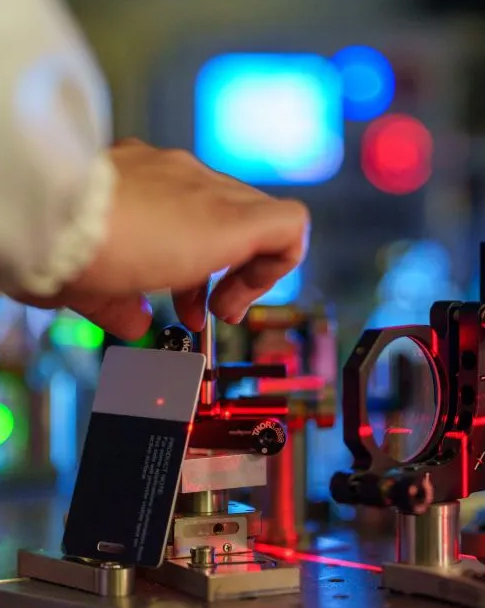

You might wonder why veins hard to find is a common problem during blood draws or IV insertions. Many adults experience this issue.
Factors such as genetics, age, hydration, and medical conditions play a role. Some people have thinner skin or less body fat, making veins easier to spot, while others face challenges due to family history or health. Advanced technology, including Vivolight’s solutions, can help healthcare providers locate veins more efficiently. If you feel anxious about blood draws, remember that you are not alone.
Hydration is key. Drink 2-3 glasses of water a few hours before a blood draw to make your veins more visible.
Warm your arms before a procedure. Use a warm compress or rub your skin to help veins expand and become easier to find.
Communicate with your healthcare provider. Let them know if you have a history of difficult blood draws so they can use advanced tools to help.
Advanced technology, like Vivolight's vein finders, can significantly improve the success rate of locating veins, making procedures less stressful.
Stay calm and practice relaxation techniques. Reducing stress can help keep your veins open and easier to access during blood draws.
When you wonder why veins hard to find is a common issue, you can look at several physical factors. Your body’s unique makeup plays a big role in how visible your veins are. Let’s explore how body fat, skin tone, age, and genetics can make veins harder or easier to locate.
The amount of fat under your skin can affect how easy it is to see or feel your veins. If you have more body fat, your veins may sit deeper beneath the surface. This makes deep veins less visible and harder to access, especially for blood draws or IVs. People with less fat often have more visible veins, while those with more fat may notice small veins are hidden.
Here’s what clinical studies show about the relationship between body fat and vein depth:
[Source: Quantitative clinical analysis on the correlation between subcutaneous adipose tissue thickness, peripheral vein depth, and anatomical palpability thresholds in adult subjects.]
|
Finding |
Description |
|---|---|
|
Vein Depth |
Increases with greater subcutaneous fat mass |
|
Palpability |
Decreases as vein depth increases |
|
Cutoff Value |
Palpability predicted at a vein depth of 1.44 mm |
If you want to make veins bigger or more visible before a procedure, warming your arm or gently squeezing a stress ball can help. These tricks bring blood closer to the surface, making deep veins easier to find.
Your skin tone also affects how easy it is to spot veins. People with lighter skin often see their veins more clearly because the blue or green color stands out. If you have darker skin, your veins may blend in, making veins hard to find. The color of your veins depends on how light passes through your skin and how deep veins sit beneath the surface.
Small veins can be especially tricky to spot on darker skin. Healthcare professionals sometimes use special lights or devices to help. For example, a hospital vein finder or an infrared vein finder can highlight veins that are not visible to the naked eye. These tools, including handheld vein finder devices, can make veins bigger and easier to locate, no matter your skin tone.
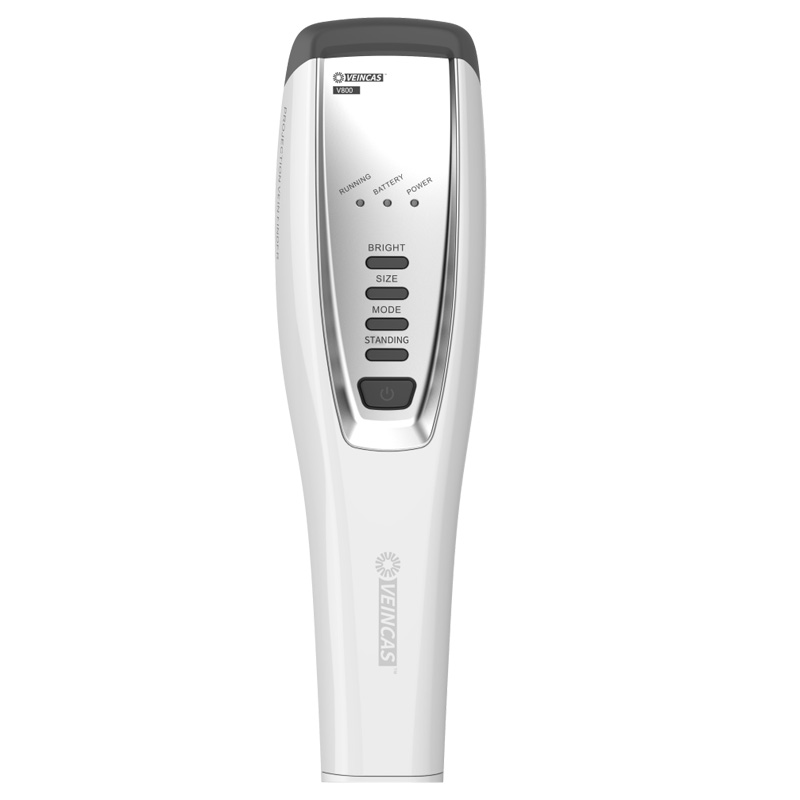
As you age, your skin and veins change. You might notice veins become more visible on your hands or arms. This happens because your skin gets thinner and you lose fat under the skin. The breakdown of collagen and elastin, two important proteins, also makes your skin sag and reveals underlying veins. Some people develop varicose veins or spider veins as they get older, which can make veins stand out or, in some cases, make veins hard to find if they twist or become damaged.
Here’s a quick look at how aging affects vein visibility:
|
Evidence Description |
Key Points |
|---|---|
|
Thinning skin due to aging |
As skin thins, veins become more visible, especially in areas like the hands. |
|
Loss of fat deposits |
Decreased fat under the skin makes veins appear more pronounced and bulging. |
|
Breakdown of collagen/elastin |
Reduced levels of these proteins lead to sagging skin, revealing veins. |
|
Reduced collagen production |
Less collagen means decreased skin volume and more visible veins. |
|
Varicose/spider veins |
These conditions arise from valve failure, causing blood pooling and increased visibility. |
|
Decreased elasticity |
Aging reduces vein wall elasticity, making veins more prone to expansion. |
Genetics also play a big part. Some families have a history of deep veins or small veins that are hard to find. Scientists have found several genes that influence vein prominence and depth. These genes can affect blood pressure, body size, and how your veins develop. If your parents or grandparents had veins hard to find, you might experience the same thing.
Tip: If you know you have deep veins or small veins, let your healthcare provider know before any procedure. They can use advanced tools, like those developed by Vivolight, to help locate your veins more easily.
Sometimes, your veins seem to disappear right when you need them most. Temporary factors can make veins less visible or harder to access, even if you usually have no trouble. Understanding these factors helps you prepare for blood draws or IVs and reduces the chance of rolling veins during procedures.
When you do not drink enough water, your veins can shrink and become less visible. Dehydration causes your blood volume to drop, making veins flatter and harder to find. This can lead to rolling veins, which move when a needle tries to enter. To improve vein visibility, focus on hydration before your appointment.
|
Recommendation |
Details |
|---|---|
|
Hydration |
Drink 2–3 glasses of water 2–4 hours before your blood draw |
|
Sipping |
Sip steadily; no need to chug |
|
Fasting Consideration |
Water is usually allowed even if fasting (check with provider) |
Tip: Start sipping water a few hours before your procedure. This simple step can make a big difference in how easily your healthcare provider finds your veins.
Cold temperatures cause your blood vessels to constrict, a process called vasoconstriction. This narrows your veins and makes them harder to see or feel. Rolling veins become more common in cold environments because the veins are less stable and more likely to move.
|
Study Title |
Findings |
|---|---|
|
Relationship between maximum oxygen uptake and peripheral vasoconstriction in a cold environment |
Peripheral vasoconstriction is crucial for thermoregulation in cold conditions, as it reduces heat loss and helps maintain core temperature. |
Blood vessels constrict in response to cold, leading to reduced vein visibility.
Symptoms include color changes in the skin, numbness, and pain.
Conditions like Raynaud’s disease worsen in colder weather.
Tip: Warm your hands and arms before a blood draw. Rubbing your skin or using a warm compress can help veins expand and become easier to find.
Stress and anxiety can also make veins harder to locate. When you feel anxious, your body releases hormones like cortisol and adrenaline. These chemicals cause your blood vessels to constrict, which reduces circulation and makes veins less visible. Sometimes, adrenaline can cause veins to dilate, but often, stress leads to symptoms like tingling or cold hands.
During stressful moments, your body enters a "fight-or-flight" state. This response diverts blood away from your skin and extremities, making it more difficult for healthcare providers to find a stable vein. Rolling veins may occur more often if you feel tense.
Tip: Practice deep breathing or relaxation techniques before your procedure. Staying calm helps your veins stay open and easier to access.
If you still have trouble, ask your provider about advanced tools like a projection vein finder, infrared vein finder, or handheld vein finder. Many hospitals use devices from brands like Vivolight to help locate veins quickly and reduce discomfort.
Your medical history can play a major role when you face a difficult to draw blood situation. If you have had frequent blood draws, chronic illnesses, or vein damage, you may notice that veins hard to find become a regular challenge. Understanding these factors helps you prepare for procedures and communicate with your healthcare provider.
Repeated blood draws or IV insertions can change your veins over time. If you have had many procedures, your veins may become fragile or damaged. This makes it difficult to draw blood and increases the risk of a difficult stick. Healthcare professionals often call patients with these challenges "difficult stick" cases.
Here is how repeated procedures affect your veins:
|
Risk Type |
Description |
|---|---|
|
Increased Risk of Vein Damage |
Repetitive punctures can weaken vein walls, leading to fragility and potential damage. |
|
Development of Scar Tissue |
Frequent blood draws can cause scar tissue, complicating future access to the vein. |
|
Vein Collapse |
Severe cases may result in vein collapse, making it unusable for future procedures. |
You may experience collapsed veins, scar tissue, or reduced blood flow. These changes make it difficult to draw blood and can lead to frustration during medical visits. If you have a history of frequent blood draws, let your provider know. They may use advanced tools like a hospital vein finder to locate healthy veins.
Certain chronic illnesses and medications can make it difficult to draw blood. If you have diabetes, hypertension, or other vascular diseases, your veins may become less healthy and harder to access. Chronic drug use, especially intravenous drug use, can damage veins and create scar tissue. Older adults often face difficult to draw blood situations due to changes in vein elasticity and fragility.
You may also notice that dehydration or obesity makes veins less visible. Some medications can affect blood flow or cause vessel fibrosis, which leads to scarring and further complicates venous access.
Chronic drug use can lead to vein damage and scar tissue.
Older adults may have fragile veins due to aging.
Abnormal body mass index can reduce vein visibility and palpability.
Chronic diseases may cause vessel fibrosis and scarring.
Diabetes and hypertension can negatively affect vein health.
Dehydration and obesity can make veins less prominent.
If you have any of these conditions, you may benefit from vein finder technology. Devices like an infrared vein finder or handheld vein finder can help locate veins that are difficult to draw blood from. Vivolight offers innovative solutions that assist healthcare providers in finding veins quickly and safely.
Scarring or vein damage can make it difficult to draw blood, especially if you have had multiple procedures or injuries. Scar tissue forms when your body heals after repeated punctures or trauma. This tissue can block access to veins and make them less flexible. Collapsed veins may occur after severe damage, making them unusable for future blood draws.
You may notice that your veins feel harder or roll away when touched. Reduced blood flow can make it difficult to collect enough blood for tests. If you have scarring or vein damage, your provider may use a hospital vein finder or a projection vein finder to locate healthy veins. Vivolight’s advanced technology helps healthcare professionals overcome these challenges and improve your experience.
Tip: If you know you have a history of difficult to draw blood, tell your healthcare provider before your appointment. They can use vein finder devices, such as those from Vivolight, to make the process easier and less stressful.
If you face veins hard to find due to medical history, remember that technology and skilled professionals can help. Devices like a handheld vein finder or infrared vein finder make it possible to locate veins even in difficult stick cases. Vivolight supports patients and providers with innovative solutions for difficult to draw blood situations.
You may notice that healthcare providers often use simple, hands-on methods to find your veins. These manual techniques rely on both skill and experience. Common approaches include:
Placing a warm compress on your arm for several minutes to bring veins closer to the surface.
Lowering your arm below heart level or gently swinging it in a circle to encourage blood flow.
Lightly tapping the skin at the injection site.
Wrapping your limb in plastic wrap to trap heat and make veins more visible.
Applying a tourniquet above the site to engorge the vein.
Asking you to dangle your arm to use gravity.
Feeling for a bouncy vein with their fingertips.
Providers may also adjust needle size or angle for small, deep, or rolling veins. Their technical skills and soft skills, such as communication and empathy, help make the process smoother for you.
Manual methods can work well, but they have limits. Some veins remain hard to find, especially if they are deep, small, or affected by medical history. First-attempt success rates with traditional methods can be low. For example, studies show that traditional peripheral venous catheters succeed on the first try only 22% of the time. This can lead to multiple needle sticks, discomfort, and anxiety.
[Source: Clinical efficacy evaluations and first-attempt success rate benchmarks for traditional landmark-guided peripheral intravenous cannulation (PIVC) in acute care settings.]
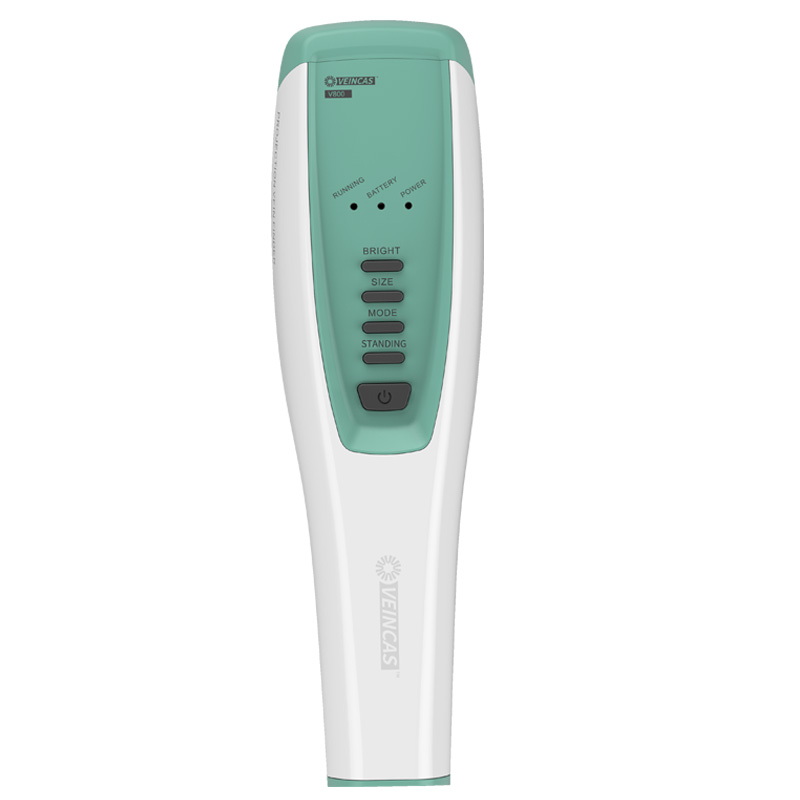
Advanced devices, such as projection vein finders, infrared vein finders, and handheld vein finders, have changed how providers locate veins. Hospitals now use these tools to improve accuracy and patient comfort. The Vivolight Projection Vein Finder uses near-infrared light to create a clear, real-time map of your veins. This technology highlights veins by interacting with hemoglobin, making even small or deep veins easy to see.
|
Technology Type |
Description |
|---|---|
|
Near Infrared (NIR) |
Uses near-infrared light to show veins as dark lines under the skin. |
|
LED Transillumination |
Uses visible red or orange light to make veins stand out against tissue. |
[Source: Comparative clinical trials and efficacy benchmarks evaluating first-attempt success rates of near-infrared (NIR) vein visualization technology versus conventional manual palpation.]
Clinical studies show that projection vein finders can boost first-attempt success rates to 85% or higher. One study found a rate of 87.1% with vein finder technology, compared to 46.8% with traditional methods. Patients report higher satisfaction and less discomfort with these minimally invasive tools. Vivolight’s devices help providers find veins quickly, reduce complications, and improve your overall experience in hospitals and clinics.
If you have veins that are hard to find, ask your provider about advanced vein finder technology like Vivolight. These tools can make your next procedure easier and more comfortable.
You can take several steps to make your next blood draw easier. Start by drinking plenty of water before your appointment. Hydration increases your blood volume and helps your veins become plumper. If you want to know how to make veins more visible, try to warm up your body with a warm compress or by gently rubbing your arms. Making a fist can also help your veins stand out. Here are some steps recommended by medical organizations:
|
Step |
Description |
|---|---|
|
1 |
Apply the tourniquet 3 to 4 inches above the intended puncture site to make the veins more visible. |
|
2 |
Make a fist to help the veins stand out, making it easier to locate a good vein. |
Drink water before your appointment to increase blood volume.
Use safe ways to make veins pop, such as warming your arm or squeezing a stress ball.
If you want to know how to make blood drawing easier, let your provider know about any past difficulties.
Good communication with your healthcare team can make a big difference. Tell your provider if you have had trouble with blood draws before. You can ask for a clinician skilled in finding veins or request advanced tools. Healthcare professionals often:
Show empathy and acknowledge your concerns.
Explain the procedure in simple language.
Listen to your questions and pay attention to your comfort.
Offer comfort measures or distractions to help you relax.
You can also ask about daily vascular access assessments if you need frequent blood draws.
Modern technology can improve your experience and reduce anxiety. Devices like a projection vein finder, infrared vein finder, or handheld vein finder help providers see veins that are hard to find. Hospitals often use a hospital vein finder to increase first-attempt success rates. Studies show that these tools lower pain scores and raise satisfaction rates. Vivolight offers advanced solutions that help both patients and providers. You can feel confident knowing that technology supports safe and comfortable care.
Remember, you are not alone. Skilled professionals and new technology work together to make your experience better.
You may find veins hard to find for many reasons, such as vein depth, dehydration, stress, temperature, or past injuries. Healthcare professionals use both traditional skills and advanced tools like projection vein finder, infrared vein finder, handheld vein finder, and hospital vein finder to help. Stay open with your provider and follow simple tips for a smoother experience. Medical technology keeps improving, making procedures safer and more comfortable for you.
Your veins can shrink or hide when you feel cold, anxious, or dehydrated. Drinking water and warming your arm help make veins more visible. Vivolight’s projection vein finder can assist your provider in locating veins quickly.
Yes! Devices like projection vein finders, infrared vein finders, and handheld vein finders highlight veins under your skin. Hospitals often use Vivolight’s advanced tools to improve accuracy and comfort during procedures.
Let your provider know if you have had trouble with blood draws or IVs. You can ask about using a hospital vein finder or advanced technology, such as Vivolight, to make the process easier.
Drink water before your appointment. Warm your arm with a compress. Make a fist to help your veins stand out. These steps improve vein visibility and make the procedure smoother.
Vein finder devices, including those from Vivolight, use safe light technology. They do not harm your skin or veins. Providers use them to reduce discomfort and improve success rates.
Leave A Message
Scan to WhatsApp :


 IPv6 network supported