 English
 Français
 Español
 Deutsch
 Italiano
 العربية



Tel :+86-755-86961139
Email :sales@vivo-light.com
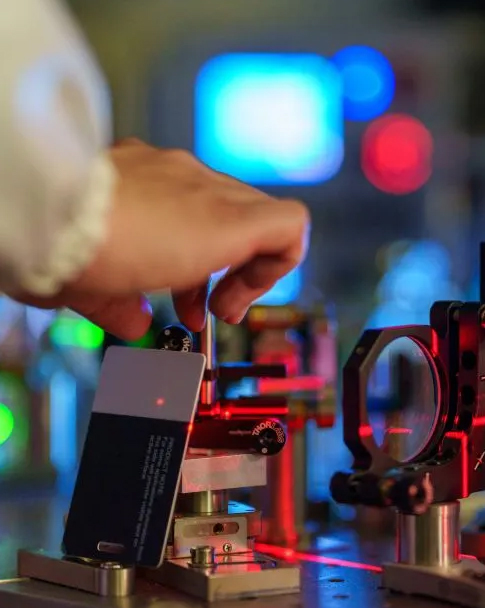

Establishing peripheral intravenous (PIV) access in older patients is frequently cited as one of the most demanding clinical procedures in inpatient care. Age-related physiological changes—such as decreased vascular elasticity, subcutaneous tissue atrophy, and hardened or fragile vessel walls—often result in Difficult Intravenous Access (DIVA). Repeated cannulation attempts not only increase physical trauma, pain, and anxiety for vulnerable patients, but also prolong nursing procedures and escalate the risk of complications such as phlebitis or extravasation.
To overcome these clinical bottlenecks, healthcare institutions increasingly rely on optical visualization tools. This article examines published clinical evidence evaluating the application of projection-type near-infrared (NIR) vascular imaging in geriatric patients, focusing on procedural efficiency and clinical outcomes.
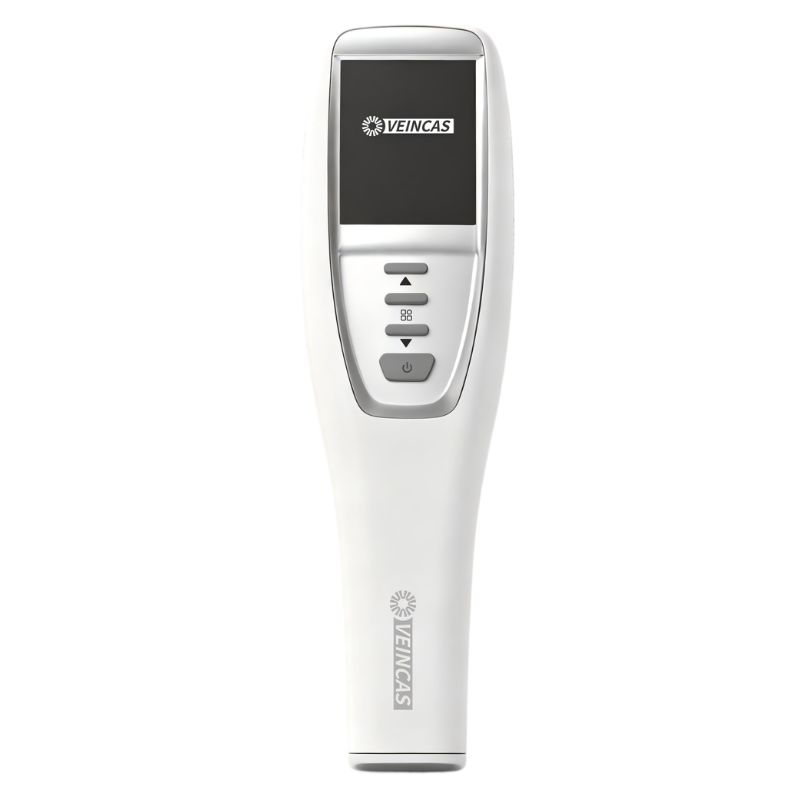
To provide transparent and verifiable clinical data, we examine a peer-reviewed study published in the Chinese medical literature regarding geriatric venipuncture:
The projection-type near-infrared vascular imaging system operates on the optical principle of differential near-infrared absorption:
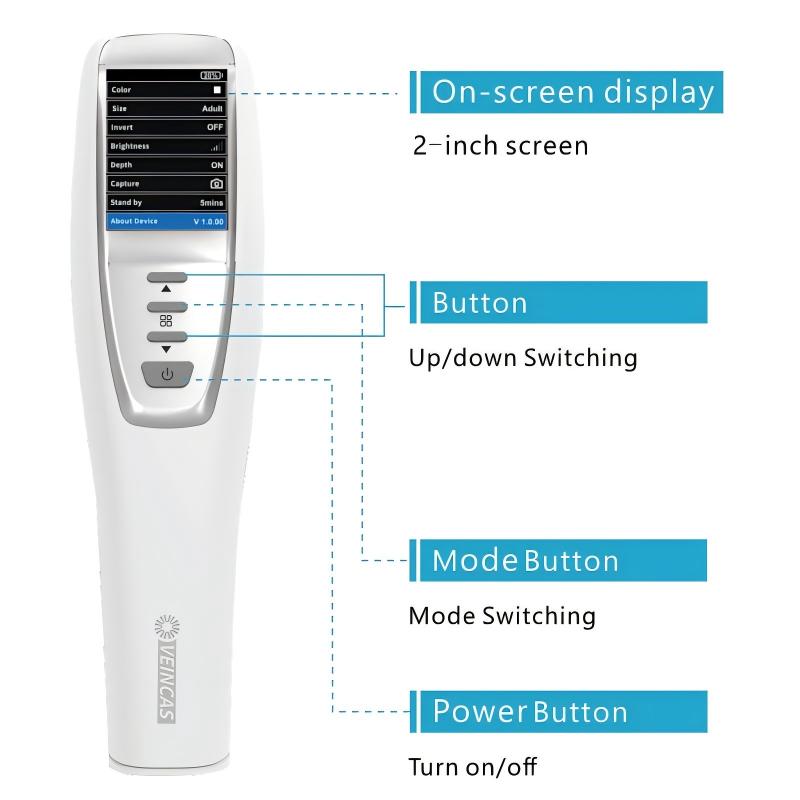
In the comparative study, patients were allocated into a control group (standard manual palpation and visual inspection) and an observation group (assisted by the projection-type near-infrared vascular imaging system). Comparative analysis yielded the following statistically significant outcomes:
| Clinical Metric | Control Group (Manual) | Observation Group (NIR Imaging) | P-Value / Statistical Significance |
|---|---|---|---|
| First-Attempt Success Rate | 71.2% | 87.7% | P < 0.05 (Statistically Significant) |
| Average Puncture Attempts | 4.27 ± 0.94 | 3.78 ± 0.89 | P < 0.05 (Statistically Significant) |
| Overall Infusion Success Rate | 83.1% | 95.4% | P < 0.05 (Statistically Significant) |
Based on published data and clinical practice feedback, incorporating near-infrared vein visualization into geriatric departments offers several distinct operational benefits:
While near-infrared projection technology provides valuable assistance during peripheral venous cannulation, clinical best practices dictate several operational boundaries:
[1] Zhang, T. (2018). Application effect of projection-type infrared vascular imaging instrument in peripheral vein puncture of elderly hospitalized patients. Practical Geriatrics, 32(4), 399-400. DOI: 10.3969/j.issn.1003-9198.2018.04.026.
[2] Infusion Nurses Society (INS). (2016). Infusion Therapy Standards of Practice. Journal of Infusion Nursing, 39(1S), S1–S159.
Leave A Message
Scan to WhatsApp :


 IPv6 network supported