English
 Français
 Español
 Deutsch
 Italiano
 العربية



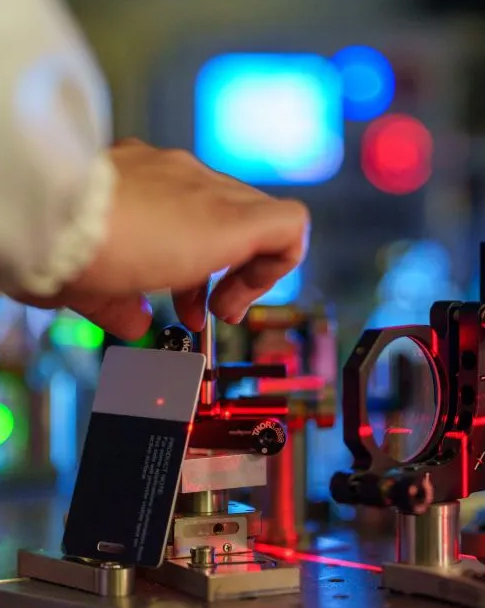

You can experience safer and more effective blood draws thanks to projection vein finder technology. This device allows you and other patients to benefit from improved clinical accuracy, reduced discomfort, and fewer complications. The following table highlights key clinical outcomes when using this technology:
|
Metric |
Vein Finder Group |
Traditional Group |
|---|---|---|
|
Pain Scores (mean NIPS) |
5.75 |
6.83 |
|
Crying Duration (minutes) |
2.94 |
5.61 |
|
First-Attempt Success Rate |
87.1% |
46.8% |
-
Patients report less pain and anxiety.
-
You will likely need only one needle stick, which helps minimize stress.
-
This technology leads to faster procedures and greater clinical confidence.
Key Takeaways
-
Projection vein finders improve blood draw accuracy, leading to higher first-attempt success rates and fewer complications.
-
Patients experience less pain and anxiety, as the technology reduces the need for multiple needle sticks.
-
Using a vein finder streamlines the blood draw process, resulting in faster procedures and enhanced patient satisfaction.
-
This technology is safe for all age groups, making it especially beneficial for children and seniors with difficult veins.
-
Healthcare providers gain confidence and efficiency, leading to better overall patient care and outcomes.
How Projection Vein Finder Works in Venipuncture
Technology Overview
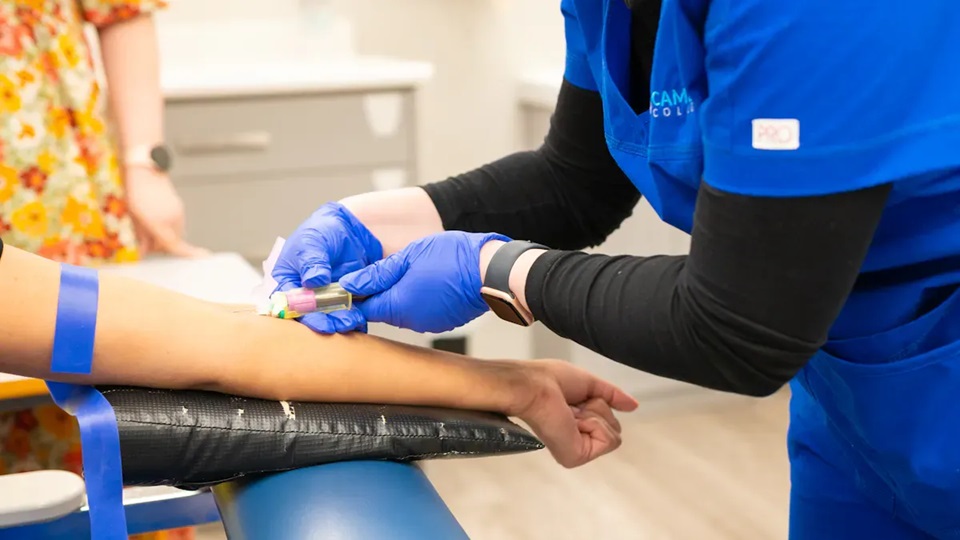
When you use a projection vein finder, you benefit from advanced vein visualization technology that transforms the blood draw process. This device relies on two main methods to enhance visibility: near-infrared (NIR) and LED transillumination. These technologies allow you to see veins that might otherwise remain hidden beneath the skin. The following table summarizes the core principles:
|
Technology Type |
Description |
|---|---|
|
Near-Infrared (NIR) |
Utilizes near-infrared light to penetrate the skin and reflect off hemoglobin, resulting in a high-contrast image of veins. |
|
LED Transillumination |
Uses visible red or orange light to illuminate the skin, causing veins to appear as dark lines against the surrounding tissue. |
With near-infrared light, the device interacts with hemoglobin in your veins, creating a clear map that highlights vein size visibility and structure. Hemoglobin absorbs this light, making veins stand out as darker lines. Real-time imaging gives you immediate feedback, so you can locate the optimal site for venipuncture. This improved visibility for venipuncture ensures you can identify even small or deep veins with confidence. As a result, you experience more accurate vein mapping and better outcomes.
Role in Accurate Venipuncture
A projection vein finder plays a crucial role in achieving accurate venipuncture. You gain the advantage of seeing veins in real time, which increases your accuracy and reduces the risk of missing the vein. Studies show that devices like NAVI-60 and advanced vein viewers reach success rates of up to 94%. This high level of accuracy means you can expect fewer failed attempts and less discomfort.
You also benefit from reduced anxiety, as the technology minimizes the need for multiple needle sticks. Clinical research supports these results. For example, Chiao et al. (2013) found that the use of a vein visualization device led to higher cannulation site success compared to conventional methods. Phipps et al. (2012) and Barreras and Chang (2016) also reported increased first-attempt success rates and improved patient satisfaction.
By using a vein visualization device, you help ensure accurate venipuncture, reducing failed attempts and enhancing the overall experience. The combination of advanced imaging and real-time feedback makes this technology a valuable tool for both you and your healthcare provider.
Clinical Accuracy and Patient Comfort
Improved Clinical Accuracy
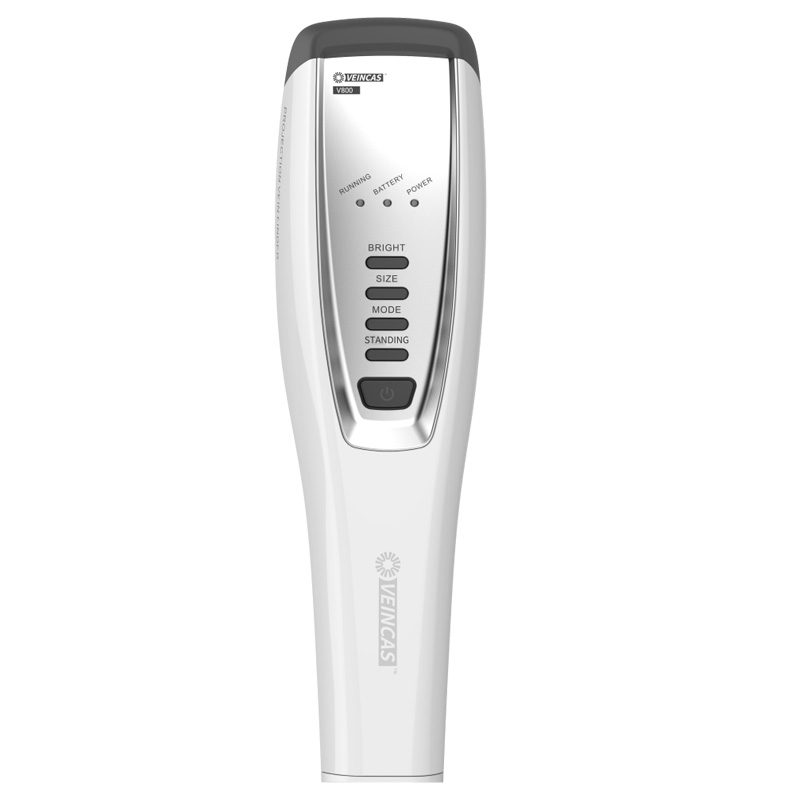
You can rely on projection vein finder technology to deliver a new standard of clinical accuracy during venipuncture. This technology helps you prevent pre-analytical errors by providing real-time imaging of veins. You see the exact location, depth, and size of each vein, which allows you to select the best site for accurate venipuncture. The enhanced visibility ensures you achieve first-attempt success rates more often, reducing the need for multiple needle sticks.
When you use a vein visualization device, you improve clinical outcomes by minimizing failed attempts. This approach leads to higher accuracy and greater confidence for both you and your healthcare provider. The device’s advanced imaging supports successful venous access, especially in patients with difficult veins. You experience fewer complications and more reliable results, which strengthens clinical accuracy in every procedure.
Reduced Patient Discomfort
You will notice a significant reduction in pain and trauma when you choose infrared projection vein finder-assisted venipuncture. This benefit is especially important for children and sensitive patients. The technology’s ability to enhance vein visibility means you undergo fewer needle sticks and less tissue damage.
-
The use of projection vein finders, including near-infrared imaging and transillumination, significantly reduces pain and trauma during venipuncture in pediatric patients.
-
These technologies increase first-attempt success rates and decrease discomfort and anxiety for children.
You can see the difference in patient-reported outcomes when comparing vein visualization technology to traditional techniques:
|
Outcome |
Vein-Viewing Device |
Traditional Techniques |
Statistical Significance |
|---|---|---|---|
|
Number of Cannulation Attempts |
Reduced |
Higher |
Significant |
|
Time Taken for Cannulation |
Reduced |
Longer |
Significant |
|
Pain Score |
Minimal Effect |
Comparable |
Not Significant (P = .21) |
|
Fear Score |
Lower (not significant) |
Comparable |
Not Significant (P = .08) |
You benefit from reduced patient discomfort, less anxiety, and a smoother experience. Enhancing patient comfort remains a top priority in clinical practice, and projection vein finder technology supports this goal with every use.
Fewer Complications
You can expect fewer complications when you use a projection vein finder for venipuncture. The technology’s precise imaging and improved accuracy reduce the risk of hematomas, nerve injury, and infection. You avoid repeated needle sticks, which lowers the chance of trauma and related complications.
|
Mechanism |
Description |
|---|---|
|
Reduced puncture attempts |
Studies show a 50–70% decrease in failed venipunctures, minimizing trauma and pain. |
|
Enhanced safety |
Reduces risk of hematoma, nerve injury, and infection from repeated needle sticks. |
|
Improved success rates |
Particularly crucial for patients with difficult venous access, such as those who are dehydrated, obese, or have dark skin tones. |
You gain peace of mind knowing that the device’s advanced vein visualization technology supports safer, more accurate venipuncture. The combination of fewer failed attempts, improved imaging, and enhanced safety leads to better outcomes for all patients. By choosing this technology, you help create a more comfortable and reliable clinical experience.
Benefits of Projection Vein Finder in Venipuncture
Faster Procedure Times
You will notice that a infrared projection vein finder streamlines the process of locating veins during venipuncture. This technology allows you to visualize veins quickly, which reduces the time spent searching for an optimal site. Clinicians often struggle with manual palpation, especially when veins are small, deep, or difficult to see. These challenges can lead to missed sticks and repeated attempts, slowing down the procedure and increasing frustration for both you and your healthcare provider.
-
Inal et al. demonstrated that the AccuVein device reduced the number of attempts and shortened the duration of venipuncture in children aged 0–3 years. The first attempt success rate reached 74.1% compared to 40.7% in the control group.
-
Chapman et al. found that the VeinViewer device decreased the average time to place a peripheral intravenous line from 167 seconds to 121 seconds.
-
Projection vein finder technology makes the process easier and quicker for healthcare professionals, leading to fewer needle pokes and faster outcomes.
You benefit from this efficiency, especially in busy clinical environments like emergency rooms or pediatric units. Less time spent on each procedure means you experience less anxiety and discomfort, while your provider can focus on delivering high-quality care.
Enhanced Patient Experience
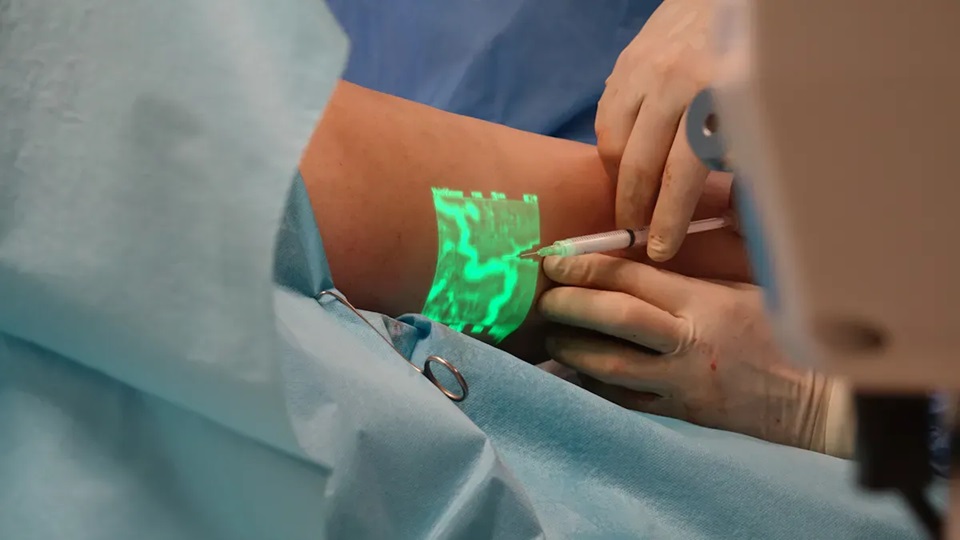
You will experience a significant improvement in satisfaction and comfort when your provider uses a projection vein finder for venipuncture. This technology increases the first stick success rate, which directly enhances your experience and reduces pain. Patients often report higher satisfaction when they require fewer needle sticks and less time in the chair.
|
Benefit |
Impact |
|---|---|
|
Reduction in number of sticks |
Enhances patient experience |
|
Reduction in patient pain |
Directly correlates with satisfaction |
|
Higher satisfaction |
Indicates improved patient care |
-
You will see a 100% increase in satisfaction and a decrease in difficult venous access cases by over 30%.
-
Nurses report greater confidence in their ability to locate veins, which leads to smoother procedures and better outcomes.
-
The technology supports workflow efficiency, allowing your provider to deliver care more effectively.
Tip: If you have a history of difficult venipuncture or anxiety about blood draws, ask your provider about using a projection vein finder. This approach can improve your comfort and ensure a more positive clinical experience.
You gain peace of mind knowing that this technology supports accurate, efficient, and patient-centered care. The combination of faster procedures, improved outcomes, and higher satisfaction makes projection vein finder technology a valuable addition to modern clinical practice.
Projection Vein Finder vs. Traditional Methods
Safety Improvements
You gain a higher level of safety when you use a projection vein finder for venipuncture. This technology provides real-time visualization of veins, which reduces the risk of needlestick injuries and other safety incidents. You avoid repeated needle sticks, minimizing trauma and lowering the chance of infection. The market for vein finders continues to grow as healthcare providers prioritize patient safety during injections. Vulnerable populations, such as pediatric, geriatric, and oncology patients, benefit from reliable vascular access.
|
Evidence Type |
Description |
|---|---|
|
Market Growth |
The vein finder market is expanding due to increased emphasis on patient safety during injections. |
|
Patient Comfort |
Vein finders help alleviate pain and enhance treatment by ensuring precise access to veins. |
|
Vulnerable Populations |
There is a rising demand for vein finders among pediatric, geriatric, and oncology patients needing reliable vascular access. |
You experience enhanced efficiency in challenging cases, especially when veins are difficult to locate. Staff efficiency increases, and procedural time decreases in various clinical settings. The vein finder technology supports safer outcomes for both you and your healthcare provider.
Accuracy Comparison
You achieve greater clinical accuracy with projection vein finder technology compared to standard venipuncture techniques. The device identifies more possible cannulation sites, improving your chances of a successful blood draw. Studies show that vein finder devices like VeinViewer reach a first-attempt success rate of 58%, while standard techniques only achieve 25%.
|
Technique |
First Attempt Success Rate |
|---|---|
|
VeinViewer |
58% |
|
Standard Technique |
25% |
You see a significant reduction in first-attempt venipuncture failure rates, which range from 34.83% to 55% in traditional methods across different regions. The AccuVein device delivers a first-stick success rate up to 3.5 times higher than conventional approaches. You benefit from improved clinical accuracy, especially in cases where veins are hard to visualize. The vein finder technology identifies an average of 9.1 possible cannulation sites, compared to only 5.8 with traditional methods.
Note: The effectiveness of vein finder devices varies based on age and body mass index. You will notice the highest visibility in young and senior adults, making this technology especially valuable for these groups.
You gain confidence knowing that projection vein finder technology consistently outperforms traditional methods in both safety and accuracy. This advancement leads to better clinical outcomes and a more comfortable experience during venipuncture.
You gain safer, more accurate venipuncture when you choose advanced visualization technology. You see fewer complications and higher first-attempt success rates. Patients experience less pain and anxiety. Healthcare providers deliver better outcomes and greater satisfaction.
Embrace this innovation for a smoother, more confident clinical experience.
FAQ
What is a projection vein finder used for?
You use this device to help locate veins before a blood draw or IV insertion. It projects a real-time image of your veins onto your skin, making the process easier for both you and your healthcare provider.
Is the procedure safe for children and seniors?
Yes. You can trust this technology for all age groups. It reduces pain and anxiety, especially for children and seniors who often have hard-to-find veins.
Will I feel any discomfort from the device?
You will not feel pain from the device itself. It uses light to visualize your veins. You may notice a gentle light on your skin, but the process remains noninvasive.
Can the device help if I have a history of difficult blood draws?
Absolutely. If you have experienced multiple failed attempts in the past, this tool increases your chances of a successful first stick. > Tip: Let your provider know about your previous experiences.
Do I need to prepare before using a vein finder?
You do not need special preparation. Arrive as you normally would for your appointment. Your provider will handle the device setup and operation.

 IPv6 network supported