 English
 Français
 Español
 Deutsch
 Italiano
 العربية



Tel :+86-755-86961139
Email :sales@vivo-light.com

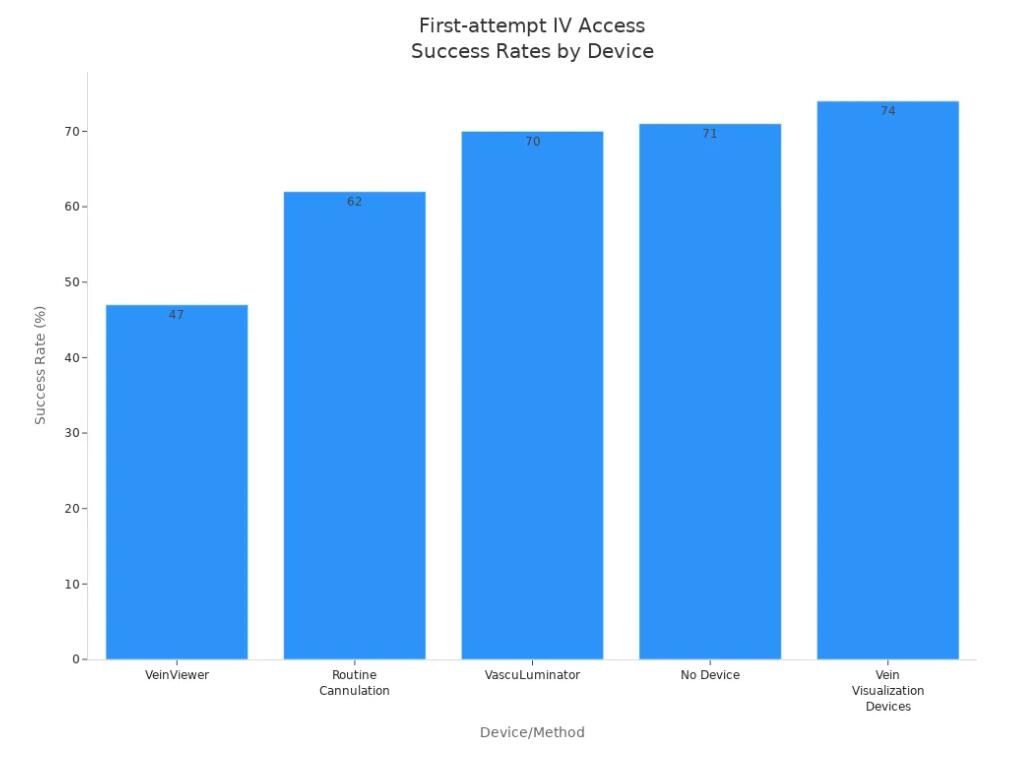
You want the best tool for IV access. Studies show projection vein finders and transilluminators help you see veins better. But they do not make first-try success rates much higher than regular methods. The chart below shows success rates stay close, even with a vein finder or transilluminator. You can trust both devices to help you see veins. But neither is clearly more effective or reliable for most patients.
You want to know which device works best on the first try. Both projection vein finders and transilluminators help you see veins better. The numbers show how much they help. In adults, a projection vein finder can almost double your first-attempt success rate. This is compared to traditional methods. The table below shows the difference:
| Metric | Vein Finder Group | Traditional Group |
|---|---|---|
| First-Attempt Success Rate | 87.1% | 46.8% |
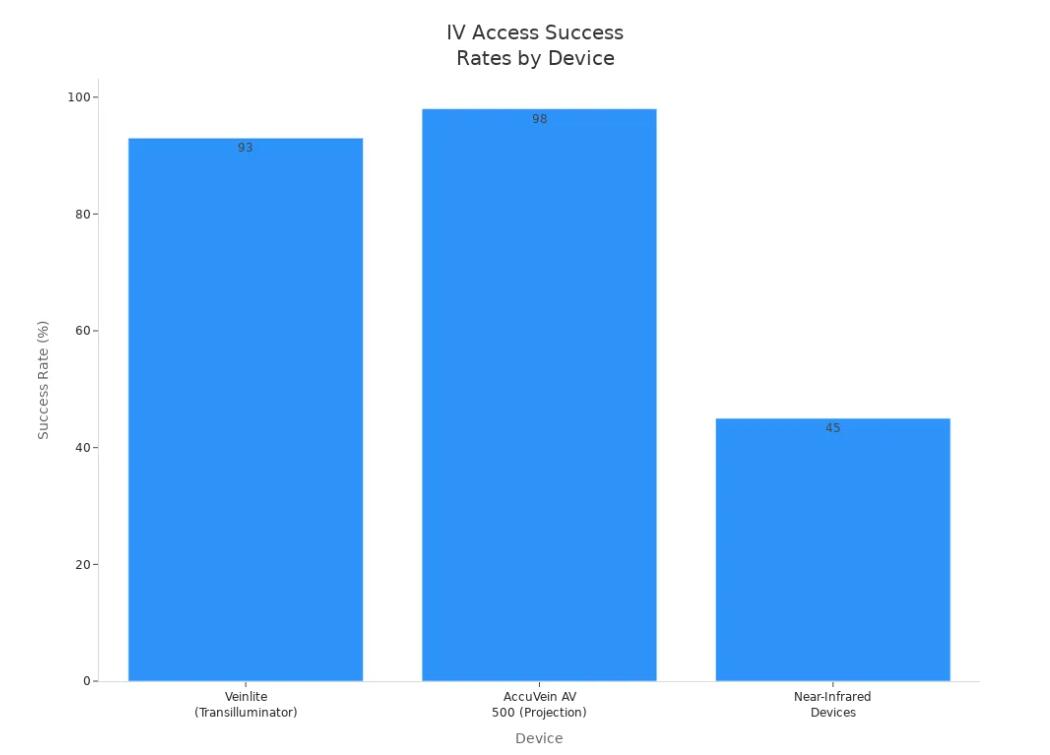
With children, the results change a little. Devices like the Veinlite and AccuVein AV 500 both work well. Projection technology often gives better results. The chart below compares first-attempt success rates for different pediatric devices:
| Device | First-Attempt Success Rate |
|---|---|
| Veinlite (Transilluminator) | 93% |
| AccuVein AV 500 (Projection Vein Finder) | 98% |
| Near-Infrared Devices | 45% |
Projection vein finders, like AccuVein AV 500, often give the highest chance of success. This is especially true for children. Hospital vein finder brands such as vivolight use advanced projection technology. This helps you find veins quickly and accurately.
Tip: If you work with patients who have hard-to-find veins, a projection vein finder can help you feel more confident and succeed more often.
Clear vein visualization makes IV access easier and less stressful. Projection vein finders use infrared technology to show a real-time image of veins on the skin. This helps you see complex vein patterns, like shallow or branching veins. You do not need to move the device around. You can also change the color mode for better clarity. This is helpful in tricky cases, like with dehydrated or elderly patients.
A hospital vein finder like vivolight stands out as a vein visualization device. It offers customizable color options and high alignment accuracy. This means you spend less time searching for veins. You spend more time placing the IV.
The table below shows how projection vein finders compare to traditional transilluminators for visualization and patient comfort:
| Metric | Projection Vein Finder | Traditional Transilluminator |
|---|---|---|
| Pain Scores (mean NIPS) | 5.75 | 6.83 |
| Crying Duration (minutes) | 2.94 | 5.61 |
| First-Attempt Success Rate | 87.1% | 46.8% |
Patients feel less pain and cry for a shorter time with a projection vein finder. This happens because you see veins better and work faster.
Infrared technology in projection vein finders gives you a clear advantage. You see detailed vein images right where you need them. This reduces guesswork and the need to move the device. This technology helps in tough situations, like with varicose veins or patients with dark skin tones.
Note: A vein visualization device with advanced projection features, like vivolight, can make your job easier and help your patient feel better.
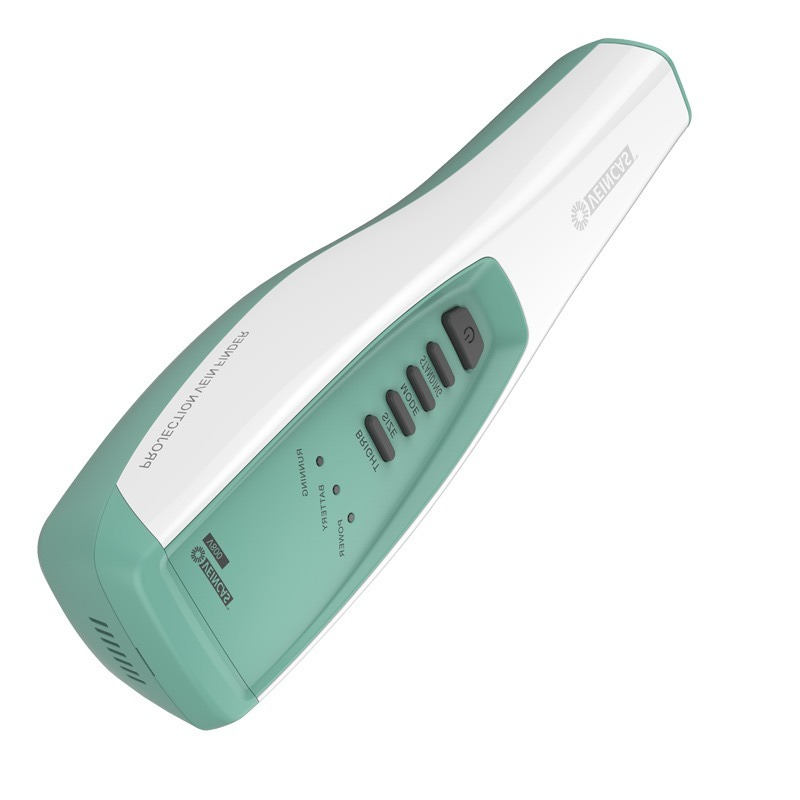
You want a device that is simple to use. Projection vein finders and transilluminators are both light and easy to hold. You can use them without your hands getting tired. Most projection devices show vein images right on the skin. You do not have to look away from your work. This helps you pay attention to the patient and the IV site.
Transilluminators shine a bright light through the skin. You might need to move the device or change the angle to see veins better. Some people think this takes more time, especially if the patient moves a lot. Projection devices usually need fewer changes, so they are easier to use when you are busy.
Tip: Pick a device that fits how you like to work. If you want to keep both hands free, a projection model could be best for you.
You do not need a lot of training to use these devices. Most healthcare workers learn how to use them in a short time. Projection vein finders have easy instructions and simple buttons. You can change color or brightness with one hand. Transilluminators are also easy, but you may need to practice finding the best angle for each person.
Both devices help you work faster every day. They let you find veins quickly and save time on each procedure. Here are some ways these devices make your work better:
A hospital vein finder or a vein visualization device can help you do your job better. These tools are good for nurses, paramedics, and other healthcare workers. You can use them in emergency rooms, clinics, or at the bedside.
Note: When you find veins faster, you can treat patients sooner and make them happier.
You want your patients to feel calm and safe during IV access. Devices that help you see veins better can lower stress for both you and your patient. Projection devices show veins on the skin, so you do not need to poke around. This means fewer needle sticks and less pain. Many patients, especially children, feel less scared when you use a device that works fast.
You can also help patients relax by explaining what you are doing. When you use a hospital vein finder or a vein visualization device, you can show the patient where the vein is before you start. This builds trust and helps the patient feel more in control. Some devices even let you change the color or brightness, which can make the process less scary for young children.
Tip: Always talk to your patient before you start. Let them know how the device works and why you use it. This can make the whole experience much smoother.
Safety matters every time you place an IV. Devices that help you see veins clearly can lower the risk of missing the vein or causing bruises. Projection devices do not touch the skin, so you lower the chance of spreading germs. You also avoid pressing hard on the skin, which can hurt or cause swelling.
Transilluminators use light to show veins, but you may need to move them around more. This can sometimes make the process take longer. If you use a projection device, you can keep your hands free and focus on placing the IV safely.
Note: Always clean your device before and after each use. This keeps your patients safe and helps your device last longer.
You want a device that does not cost too much. Projection vein finders are usually more expensive than transilluminators. The price changes based on the brand and what the device can do. Some devices, like the Hellovein Max 3.0, cost more because they have special imaging features. Transilluminators are cheaper and still help you see veins. If you work in a small clinic or just need something simple, a transilluminator might be best.
Here is a quick comparison:
| Device Type | Average Price Range | Features |
|---|---|---|
| Projection Vein Finder | $2,000 - $5,000 | Real-time imaging, color modes |
| Transilluminator | $100 - $500 | Basic light, portable |
Tip: If you need extra features for hard cases, you might want a projection device. For regular IV access, a transilluminator can help you save money.
You want a device that is easy to get and use at work. Projection vein finders like the VeinViewer Flex are made for many places. You can use them in emergency rooms, clinics, and surgery centers. These devices are easy to carry and show clear images. They help you work fast when things get busy.
The Hellovein Max 3.0 also works well when you need to move quickly. It helps you find hard-to-see veins and stops extra needle pokes. This device makes blood draws and giving medicine easier. You can find it in emergency rooms and clinics.
Transilluminators are easy to find and simple to use. You see them in clinics, hospitals, and ambulances. You do not need special training to use them, and they work for most people.
Note: Pick a device that fits your workplace. If you work in a busy hospital or need to find veins fast, a projection device has more features. For simple needs, a transilluminator is easy to get and costs less.
Starting IVs in adults and elderly people can be hard. Older adults have thin skin and weak veins. These veins can bruise or tear very easily. Sometimes, veins roll or do not stretch well. Scar tissue from old IVs can make some spots hard to use. The table below lists common problems and ways to help:
| Challenge Area | Description of Challenge | Suggested Solutions |
|---|---|---|
| Thinner skin and fragile veins | Elderly patients have thinner, more delicate skin and veins that bruise or tear easily. | Use smaller gauge catheters and vein stabilizers or vein viewers to assist. |
| Decreased vein elasticity | Veins may be sclerotic with thickened walls, making them prone to rolling and difficult to puncture. | Stabilize the vein with the non-dominant hand and apply traction to keep the vein in position. |
| Less visible and palpable veins | Reduced skin turgor or increased fat can obscure veins, making them harder to see or feel. | Employ vein illumination technology or ultrasound guidance; keep the arm dependent to fill veins. |
| History of multiple IV insertions | Scar tissue from previous IVs can make some sites unsuitable for new access. | Inquire about previous IV sites, avoid scarred areas, rotate sites, and ask patients for preferred sites. |
Projection devices let you see veins without pushing on the skin. This lowers the chance of bruising. It also makes IVs safer for older people.
Babies and kids need extra care for IVs. Their veins are tiny and hard to spot. Projection devices use near-infrared technology to show veins right away. You can see veins clearly, even if the room is dark. The table below compares projection devices and transilluminators:
| Feature/Aspect | Projection Vein Finders | Transilluminators |
|---|---|---|
| Technology | Near-infrared (NIR) technology | LED transillumination |
| Vein Mapping | Provides clear, real-time vein mapping | Limited effectiveness in ambient light |
| Safety | Non-invasive and safe for neonates | May require angle adjustments |
| Accuracy | Clinically validated with unmatched accuracy | Reduced effectiveness based on skin type |
| Ergonomics | Designed for hands-free operation | Requires manual adjustments |
| Portability | Compact and lightweight | Varies, often less portable |
Tip: Using new technology can help you finish IVs faster and keep kids calm.
It is hard to find veins in obese people or those with hard-to-see veins. Transilluminators work best for kids or adults with light skin. They do not work well for deep veins or dark skin. Infrared projection devices help you find veins in tough cases. You can see veins under fat or swelling.
Note: Pick the best device for your patient. Advanced projection technology can really help in hard cases.
Pick a vein finder if you need to see veins clearly. This device is good for people with hard-to-find veins. It helps with patients who are obese or have swelling. It also works well for kids and older adults with weak or rolling veins. A vein finder lets you see veins without touching the skin. This lowers the chance of spreading germs. You can finish IV access faster and use fewer needles.
But there are some things to watch out for. The table below lists common problems with projection vein finders:
| Limitation Type | Description |
|---|---|
| Detection Challenges | It can be hard to find veins in people with lots of fat or dark skin. |
| Accuracy Concerns | Sometimes, the device shows veins that are not real or misses real veins. |
| Cost and Awareness | The high price and little training can make it tough for some clinics. |
Tip: Use a vein finder for tough veins, but check if your clinic can pay for it and teach staff how to use it.
Use a transilluminator if you want a simple tool for quick IVs. This device is great for kids and adults with easy-to-see veins. It works well in many places. The table below compares transilluminators and projection vein finders:
| Feature | Transilluminators (Veinlite) | Projection Vein Finders |
|---|---|---|
| First-Stick Success Rate | 93% | N/A |
| Vein Anchoring | Yes | No |
| Visualization Depth | Superior | N/A |
| Ease of Use | High | N/A |
| Effectiveness Across Skin Tones | Yes | N/A |
Think about some downsides before you pick a transilluminator:
Note: Choose a transilluminator for regular IVs, especially if you want something easy to use that works for most people.
You want to use the best tool for IV access. A vein finder is very accurate and helps with hard veins. It works great for kids and older people. Transilluminators are easy to use and do not cost much. They are good for regular cases. Look at the table below to help you decide:
| Device Type | Advantages | Best Use Case |
|---|---|---|
| Infrared Vein Finder | High accuracy, non-invasive | Pediatrics, geriatrics, emergencies |
| Transilluminator | Simple, affordable | Routine blood draws |
Choose the device that fits your patient and where you work.
A projection vein finder uses infrared light to show veins on top of the skin. A transilluminator shines light through the skin to make veins stand out. Projection devices help you see veins better, especially when veins are hard to find.
Yes. A hospital vein finder uses special technology to show veins under dark skin or thick tissue. You can see veins better with a vein visualization device than with a basic transilluminator in these cases.
You do not need a lot of training. Most projection vein finders and hospital vein finders have easy buttons. You can learn to use them fast. Practice helps you get better at using them.
Yes. Projection vein finders are safe for all ages. You do not touch the skin, so there is less risk of infection. Many hospitals use these devices for IVs in children and babies.
Think about what your patients need, how much money you have, and how often you need help with IVs. A projection vein finder is best for hard cases. A transilluminator is good for regular use and costs less.
Leave A Message
Scan to WhatsApp :


 IPv6 network supported