 English
 Français
 Español
 Deutsch
 Italiano
 العربية



Tel :+86-755-86961139
Email :sales@vivo-light.com
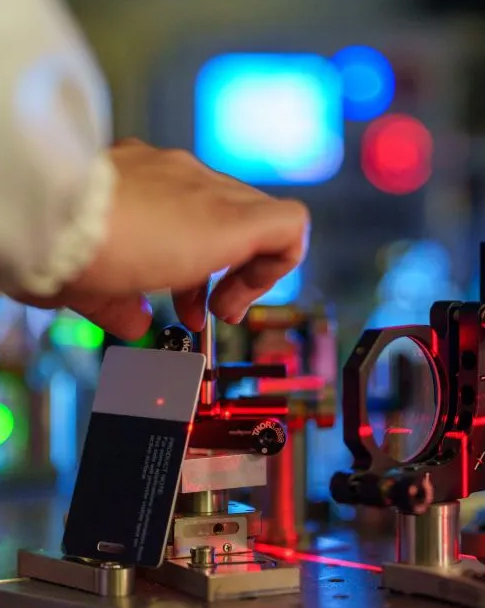

You see how portable vein finders change the way you deliver care and improve patient outcomes. Today’s high-quality vein viewers offer advanced vein visualization, making procedures smoother for both patients and providers. Technological progress in portable led vein finders, medical devices, and vascular access devices brings you tools that reduce failed attempts, speed up care, and boost patient satisfaction. When you use a modern vein assessment tool, you achieve greater accuracy and safety. Staying informed about these healthcare trends helps you make better medical decisions.
Enhanced patient comfort
Reduced procedure time
Improved accuracy and safety
Better patient satisfaction
Portable vein finders enhance patient comfort by reducing failed attempts and minimizing pain during procedures.
Using advanced vein visualization technology speeds up procedures, leading to improved efficiency and better patient satisfaction.
Near-infrared imaging in vein finders increases accuracy, helping healthcare providers achieve higher first-attempt success rates.
Affordable vein finders are versatile, making them suitable for various clinical settings, including home care and emergency situations.
Staying updated on innovations in vein finder technology supports better patient outcomes and enhances the quality of care.
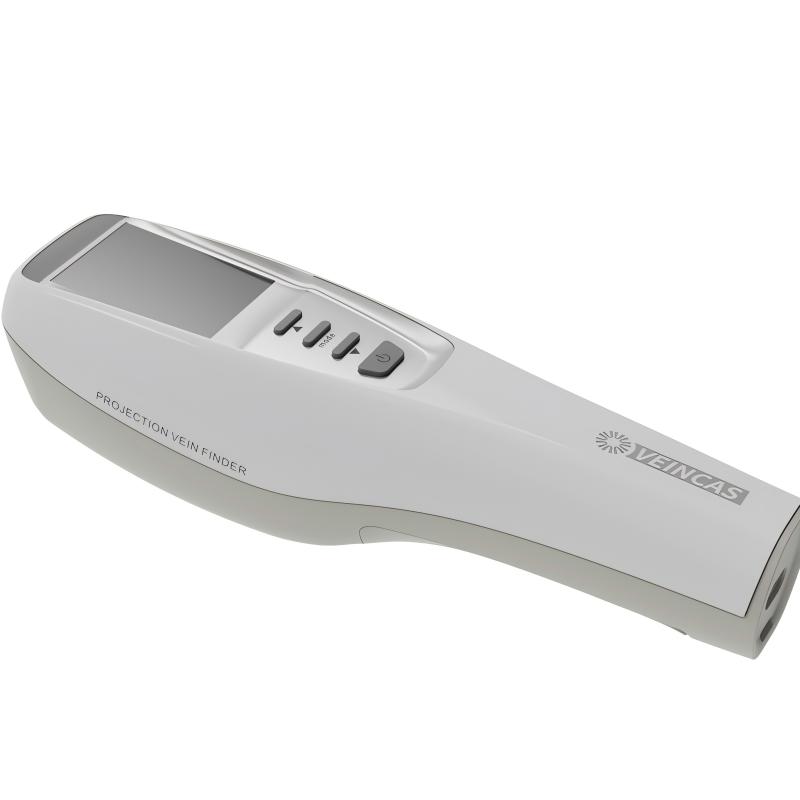
You see how vein finder technology opens new possibilities for patient care. When you use portable devices, you bring advanced solutions to places that once lacked reliable vascular access. These tools help you deliver high-quality care in emergency settings, home visits, and even field hospitals. Patients with limited mobility benefit from this flexibility, as you can perform procedures without moving them to specialized facilities.
NIR technology in vein finders leads to cost savings of $3.52 per patient.
First-attempt success rates for peripheral IV catheter insertion improve when you use these devices.
Critical care settings show better outcomes with advanced visualization tools.
Improvements in healthcare infrastructure make services more accessible.
Point-of-care diagnostic tools, like portable vein finders, reach more patients.
The growing geriatric population faces challenges with vein access, making reliable visualization essential.
Regulatory approvals and clinical validation studies build trust in these medical devices.
The market now favors portable, user-friendly solutions that fit into your clinical workflow.
In rural or underserved areas, many people wait longer for basic care. Portable vein finders help you reduce discomfort and anxiety during procedures. You also improve efficiency, which means a better experience for your patients.
You want to see better results for your patients. Portable vein finder devices help you achieve this goal by making procedures faster and more comfortable. When you use these tools, you reduce the number of failed attempts, which means less pain and stress for your patients.
|
Clinical Outcome |
Description |
|---|---|
|
Enhanced Patient Comfort |
Reduces the number of failed venous access attempts, minimizing pain and discomfort for patients. |
|
Reduced Procedure Time |
Speeds up clinical procedures by allowing quick identification of veins. |
|
Improved Accuracy and Safety |
Increases precision in needle positioning, reducing risks of complications like hematomas. |
|
Better Patient Satisfaction |
Leads to a more positive experience with fewer needle sticks and quicker procedures. |
You see how these benefits support your commitment to quality care. By integrating advanced medical devices into your practice, you improve both efficiency and patient satisfaction.
You experience a new level of precision with modern vein finder technology. Devices like the V900P Projection Vein Finder use near-infrared imaging to reveal veins beneath the skin. This advanced vein visualization helps you locate veins quickly and accurately. Near-infrared light penetrates the skin and hemoglobin absorbs it, creating a strong contrast. You see veins appear darker against surrounding tissue, which improves image clarity and reduces guesswork. Vein visualization devices now offer real-time projection, displaying live images directly onto the patient’s skin. You select veins with ease and adjust brightness or color settings for optimal clarity. These features support procedures in diverse lighting conditions and across various skin tones.
Tip: Adjustable brightness and color coding in vein finder technology improve visibility and comfort for patients of all ages.
|
Feature |
Latest Models |
Previous Models |
|---|---|---|
|
Personalized Settings |
Adjustable brightness, colors, and image sizes |
Limited customization options |
|
Multi-functional Use |
Suitable for adults and pediatrics, cosmetic use |
Primarily for traditional uses |
|
Technology |
Integration of near-infrared technology |
Basic visualization techniques |
|
Accuracy |
Improved vein visualization and treatment |
Less accurate, requiring multiple devices |
|
Cost Efficiency |
Reduces need for multiple devices |
Higher overall costs |
You benefit from real-time projection features that enhance accuracy and efficiency. The V900P projects vein images onto the skin, allowing you to identify the best site for venipuncture. You adjust brightness and contrast to achieve maximum image clarity. Color coding helps you recognize veins on different skin tones, improving patient comfort and procedural success. Portability lets you use these vein visualization devices at the bedside or in the field, increasing accessibility and convenience.
|
Benefit Description |
Impact |
|---|---|
|
Real-time vein projection provides a live image of veins for easy selection. |
Enhances accuracy in locating veins. |
|
Adjustable brightness and contrast improve visibility. |
Increases usability in various conditions. |
|
Color coding aids in identifying veins on different skin tones. |
Improves patient comfort and procedural success. |
|
Portability allows for bedside or field use. |
Increases accessibility and convenience. |
|
Image recording and storage capabilities. |
Facilitates better documentation and follow-up. |
You gain more control and confidence with smart depth detection in vein finder technology. Devices like the V900P assess vein depth, guiding you to the optimal insertion site. This feature increases image clarity and reduces the number of failed attempts. You see a clear vein view and choose the best angle for needle entry. Real-time visualization supports your decision-making and improves procedural outcomes.
Depth measurement helps you localize veins for successful venipuncture.
Color inversion enhances clarity on various skin tones, improving usability.
Real-time visualization gives you a dynamic view, aiding in precise site selection.
Clear vein view increases the likelihood of first-stick success.
Suitable insertion site selection reduces patient pain and discomfort, especially in pediatric care.
You notice efficiency gains in clinical practice. Smart depth detection streamlines workflows and speeds up procedures. Mobile applications using deep learning algorithms reduce assessment time and increase first-attempt accuracy. AI-driven platforms improve wound documentation and decision-making, leading to measurable clinical efficiency gains.
Note: Smart depth detection and real-time visualization in vein finder technology support faster, safer procedures and higher patient satisfaction.
You rely on advanced vein visualization devices to deliver better care. Improved image clarity, usability, and efficiency help you achieve successful outcomes for patients. The integration of near-infrared imaging, real-time projection, and smart depth detection in medical devices like the V900P sets a new standard in healthcare.
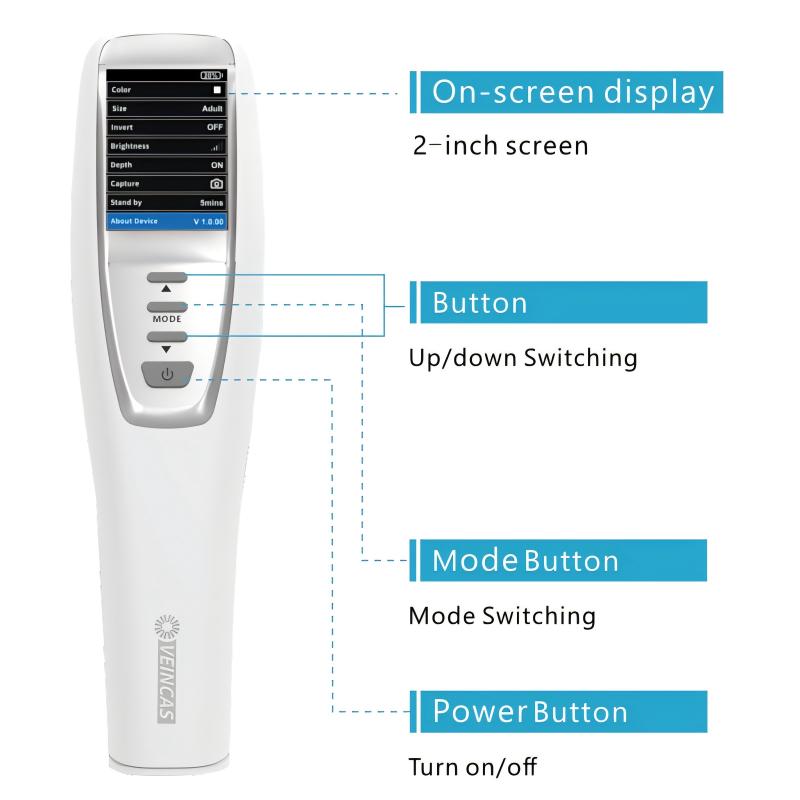
You see how affordable vein finders change your daily workflow. These devices support quick needle insertion, which helps you reduce complications and improve puncture accuracy. You notice fewer failed attempts, which means less pain and bruising for your patients. You also save time and resources, making your procedures more efficient.
|
Feature/Benefit |
Description |
Cost Range |
|---|---|---|
|
Quick Needle Insertion |
Vein finders help in quick needle insertion, reducing complications. |
$300 - $6000 |
|
Reduced Risk of Complications |
They minimize pain, bruising, and nerve damage during procedures. |
|
|
Options for Different Budgets |
A range of devices available to fit various financial capabilities. |
|
You can choose from a variety of affordable vein finders. Entry-level models cost less but may not last as long or offer the same puncture accuracy as professional-grade units. Higher-end devices require a larger investment, but you benefit from long-term savings. You avoid extra costs from failed attempts and complications. The analysis of cost versus value shows that reliable affordable vein finders help you save money over time by reducing repeat procedures and improving blood flow management.
Tip: Investing in a dependable device means you improve both patient comfort and your own workflow.
You use affordable vein finders in many different environments. Their portability and ease of use let you bring advanced blood flow visualization to hospitals, clinics, ambulances, and even home care visits. You rely on these devices for pediatric, adult, and geriatric patients. You also use them for cosmetic procedures and minimally invasive diagnostic tools.
You appreciate the ease of use when you need to act quickly. Portability and ease of use mean you can respond to emergencies or routine care without delay. You see how these devices support circulation assessment and blood flow monitoring in real time. You also use them to guide minimally invasive diagnostic tools, improving puncture accuracy and reducing patient anxiety.
Portability and ease of use allow you to adapt to any clinical setting.
You monitor blood flow and circulation with confidence.
You support better outcomes with advanced medical devices.
Affordable vein finders give you flexibility, reliability, and improved patient care. You enhance your practice and help your patients experience better blood flow and circulation every day.
You see how vein illumination devices are evolving with new technology. AI algorithms now enhance real-time analysis and adaptive imaging, giving you more precise vein visualization. These innovations help you address venous insufficiency by providing intelligent guidance during procedures. You benefit from predictive analytics and personalized treatment planning, which support better outcomes for patients with venous insufficiency.
Telemedicine expands the reach of vein illumination devices. You can use these medical devices for remote consultations and home care, making vascular access easier for patients who cannot visit a clinic. Digital tools improve documentation and allow you to share information with other healthcare professionals. AI-based vein detectors adapt to each patient’s anatomy and provide immediate feedback on venipuncture success. This technology helps you reduce complications and improve efficiency, especially when treating venous insufficiency.
Advancements in medical imaging technology drive growth in vein illumination devices.
Integration of AI and AR improves accuracy and efficiency in vascular access.
Portable devices support home care and telemedicine, meeting the needs of pediatric and geriatric patients.
Blood collection centers use vein illumination devices to improve donor experience and increase success rates.
Tip: Using AI-powered vein illumination devices helps you achieve higher first-attempt success rates and reduce procedure time.
You rely on vein illumination devices to improve care for pediatric and geriatric patients. These groups often face challenges with venous insufficiency, making vascular access difficult. Near-infrared technology in vein finder devices significantly increases first-attempt success rates compared to conventional methods. You see shorter catheterization times and fewer complications, which leads to better patient satisfaction.
|
Evidence Type |
Findings |
|---|---|
|
First-attempt success rates |
Near-infrared vein illumination devices improve first-attempt success rates (pooled OR = 2.36). |
|
Catheterization times |
The NIR group achieves shorter catheterization times than conventional methods. |
|
Complication rates |
Higher first-attempt success rates reduce complication rates for venous insufficiency. |
|
Patient satisfaction |
Patients report superior satisfaction with NIR vein illumination devices. |
You use vein illumination devices to provide safer, faster, and more comfortable procedures. These medical devices help you address venous insufficiency in vulnerable populations, improving outcomes and satisfaction. You see how these trends shape the future of healthcare and support your commitment to quality care.
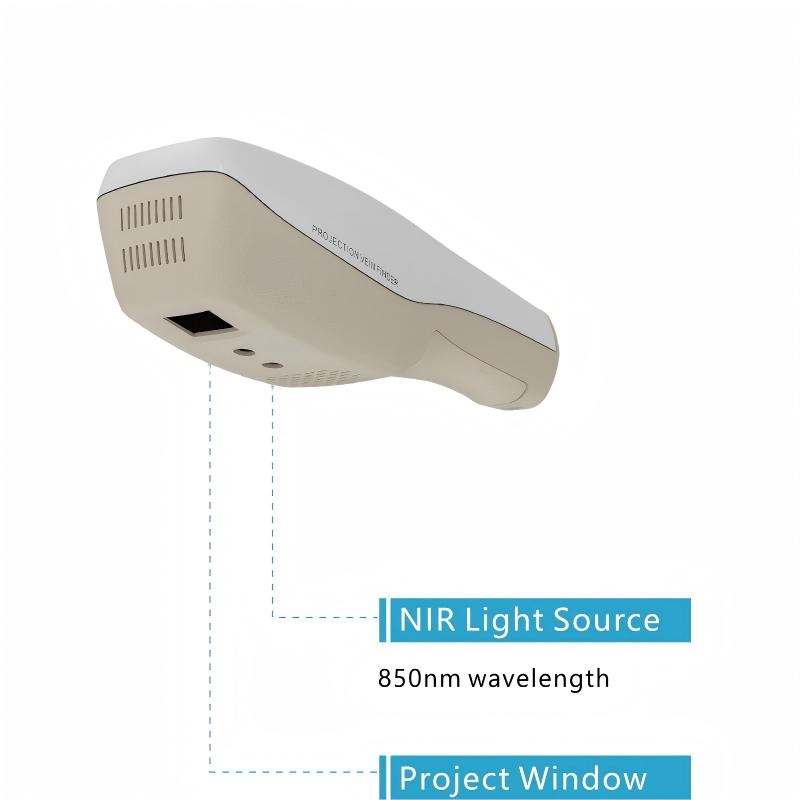
You notice rapid technological advancements in vein mapping tools. Portable devices now use Doppler ultrasound technology, which detects moving blood and provides three-dimensional information about vein location. Miniaturization of components makes these devices practical for field use. You benefit from faster and more accurate detection, which improves blood draw accuracy and streamlines medical procedures.
|
Advancement Type |
Description |
|---|---|
|
Doppler ultrasound technology |
Utilizes the Doppler effect to detect moving blood, providing critical 3-D information about vein location. |
|
Miniaturization of components |
The device is designed to be portable and economical, making it practical for field use. |
|
Faster and more accurate detection |
The device can quickly locate veins, improving the efficiency of medical procedures like injections. |
You see how these technological advancements support precise vein mapping and venous mapping. Portable vein finder devices enhance mapping capabilities, allowing you to visualize veins in real time. You rely on these innovations to improve healthcare outcomes and patient comfort.
You experience clear practical differences between portable and traditional vein mapping devices. Portable vein finders offer high accuracy, lightweight design, and user-friendly operation. You can carry them easily and use them in various clinical settings. Traditional devices often require stationary setups and can be more complex.
|
Feature |
Portable Vein Finders |
Traditional Devices |
|---|---|---|
|
Accuracy |
High, due to advanced technology |
Variable, often less precise |
|
Ease of Use |
Lightweight, user-friendly |
Often bulkier, more complex |
|
Portability |
Highly portable, battery-operated |
Generally stationary |
|
Time Efficiency |
Reduces time for venipuncture |
Can be time-consuming |
|
Patient Comfort |
Minimizes discomfort |
May cause more discomfort |
You notice that portable devices improve mapping workflow. Hands-free operation lets you focus on the patient, increasing first-attempt success rates. Affordable pricing makes these devices accessible for many healthcare providers.
|
Feature |
Portable Vein Finder |
Traditional Vein Finder |
|---|---|---|
|
Hands-Free Operation |
Yes (wearable design) |
No (requires holding device) |
|
Improved Success Rates |
Higher first-attempt success |
Lower first-attempt success |
|
Affordability |
More accessible pricing |
Generally more expensive |
You use portable vein mapping tools to enhance blood draw accuracy and streamline medical procedures. These devices support efficient mapping and venous mapping, helping you deliver better care in healthcare environments.
Tip: Choosing portable vein mapping devices improves workflow, increases patient comfort, and supports advanced medical practices.
You see the led vein finders market expanding rapidly as new technologies and changing healthcare needs drive demand. Several factors contribute to this growth:
Technological advancements in imaging and ergonomic design make devices more effective and comfortable to use.
Demographic changes, such as aging populations and a rise in chronic diseases, increase the need for reliable vascular access.
Healthcare spending continues to rise, with a strong focus on patient comfort and safety.
The COVID-19 pandemic has accelerated the adoption of vein visualization tools in many medical settings.
Emerging markets offer new opportunities as healthcare infrastructure improves and awareness of minimally invasive procedures grows.
The led vein finders market has reached a global valuation of several hundred million dollars. You notice projected compound annual growth rates between 8% and 12% over the next five years. Outpatient clinics, emergency rooms, and home healthcare environments now use these devices more often. Manufacturers focus on miniaturization and wireless connectivity, making it easier for you to integrate devices with hospital systems and mobile devices. Companies also expand their product lines to include multi-functional tools for additional diagnostic tasks.
You see portable vein finder devices capturing over half of the market share by 2025. This trend reflects the growing demand for home healthcare services and point-of-care diagnostics. Portability, versatility, and adaptability make these devices a preferred choice in many healthcare settings.
You can expect several innovations to shape the future of the led vein finders market. The table below highlights key trends and their impact:
|
Innovation Type |
Description |
|---|---|
|
AI-assisted imaging |
Improves visualization and accuracy in identifying veins. |
|
Portable and wireless technologies |
Increases accessibility and ease of use in various settings. |
|
Integration with EHRs |
Enhances procedural accuracy and patient outcomes through better data management. |
|
Miniaturization |
Makes devices more user-friendly, especially for pediatric and emergency care. |
|
Real-time visualization accuracy |
Supports immediate decision-making in clinical environments. |
|
Ergonomic design |
Boosts usability, especially in high-pressure situations like emergency care. |
|
Augmented reality |
Expected to improve the functionality and effectiveness of vein finders. |
|
Smart sensor calibration |
Enhances the precision of vein detection technologies. |
You will see more devices with AI features, real-time visualization, and integration with electronic health records. Manufacturers will continue to improve ergonomic design and miniaturization, making devices easier to use in any medical environment. The led vein finders market will keep evolving, offering you advanced solutions for better patient care.
You witness how portable vein finders transform healthcare by streamlining workflows and improving patient comfort. These medical devices deliver faster procedures, higher first-stick success rates, and better patient experiences.
|
Evidence Summary |
Impact on Healthcare Delivery |
|---|---|
|
Enhanced venous access |
Streamlines workflows and increases efficiency |
|
Improved patient comfort |
Reduces discomfort during procedures |
|
Integration into clinical settings |
Adapts to various environments |
|
Reduction in insertion failures |
Increases success rates |
Stay informed about ongoing innovations and market trends to ensure you provide the best care and adapt to future advancements.
You use a portable vein finder to locate veins under the skin. This device uses advanced imaging technology. It helps you perform blood draws and IV insertions with greater accuracy.
You benefit from near-infrared technology because it highlights veins by creating contrast with surrounding tissue. This makes veins easier to see. You achieve better results during medical procedures.
You find that nurses, doctors, and other healthcare professionals use portable vein finders. These devices work well in hospitals, clinics, ambulances, and home care settings.
You can trust portable vein finders for safety. They use non-invasive light and do not cause pain or harm. You improve patient comfort during procedures.
You see portable vein finders streamline workflows and reduce procedure times. They help you improve patient satisfaction and support better outcomes in the healthcare environment.
Leave A Message
Scan to WhatsApp :


 IPv6 network supported