 English
 Français
 Español
 Deutsch
 Italiano
 العربية



Tel :+86-755-86961139
Email :sales@vivo-light.com
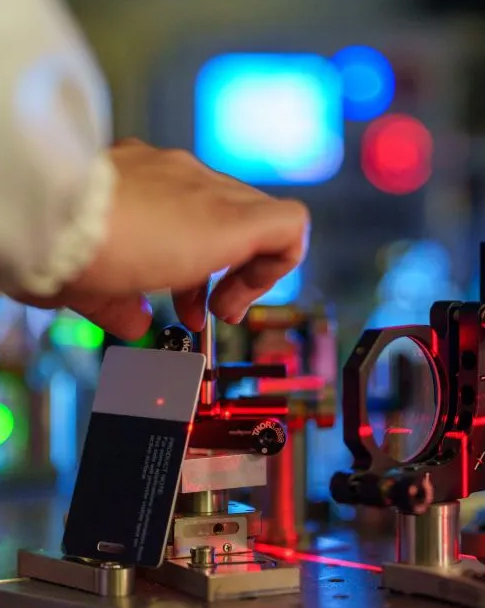

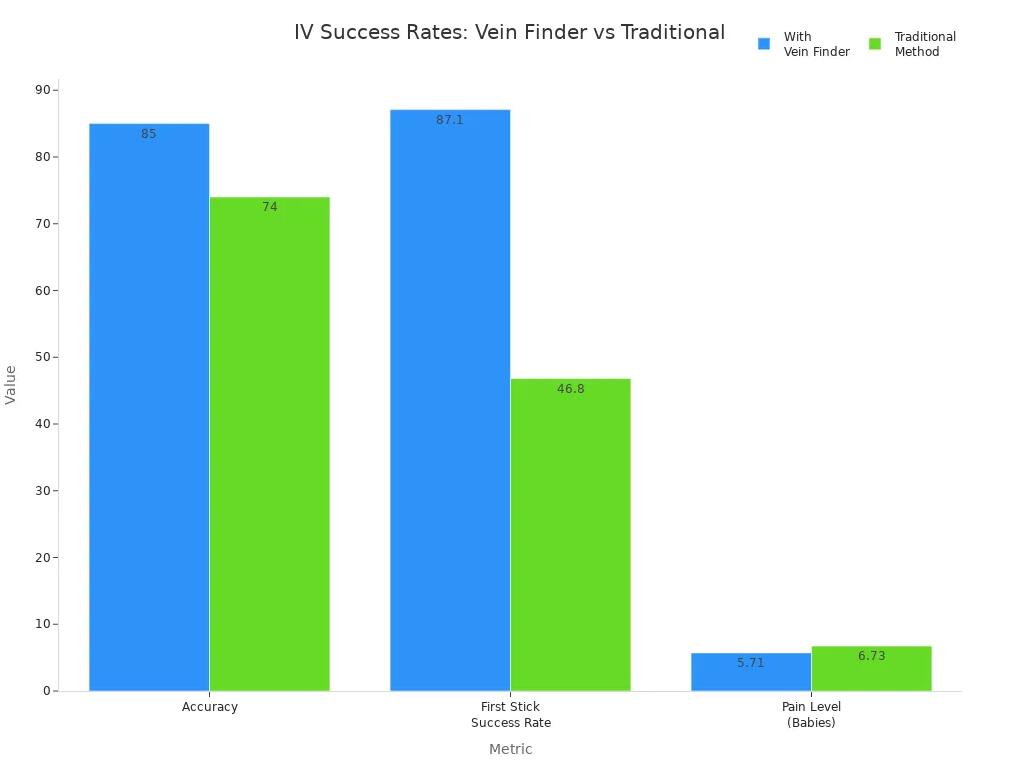
You see how a nurse vein finder transforms IV procedures in hospitals. Devices like Vivolight Projection Vein Finder raise first-attempt success rates from 46.8% to 87.1%. This means you achieve more accurate venipuncture and reduce patient pain. The following table shows the improvement when you use a nurse vein finder:
|
Metric |
With Vein Finder |
Traditional Method |
|---|---|---|
|
Accuracy |
85% |
74% |
|
First Stick Success Rate |
87.1% |
46.8% |
|
Procedures Successful on First Try |
98% |
N/A |
|
Pain Level (Babies) |
5.71 |
6.73 |
When you use a portable vein finder for nurses, you minimize failed attempts and speed up clinical procedures. A vein finder for nurses also helps you deliver better outcomes for every patient. The portable vein finder for nurses plays a key role in modern practice, making your work more efficient and comfortable for those you care for.
Using a portable vein finder increases first-attempt IV success rates from 46.8% to 87.1%, reducing patient discomfort.
Portable vein finders enhance patient comfort by minimizing pain and anxiety, especially for children and older adults.
Nurses report increased confidence and improved skills when using vein finders, leading to faster and more accurate procedures.
Integrating vein finders into hospital workflows streamlines processes, saves time, and improves overall patient satisfaction.
Proper training and collaboration among healthcare teams are essential for maximizing the benefits of portable vein finders.
You know how important it is to achieve a successful IV insertion on the first try. In a hospital, every failed attempt can lead to delays, discomfort, and frustration for both you and your patients. When you use a vein finder for nurses, you see a dramatic improvement in first-attempt success rates. The technology behind a portable vein finder for nurses allows you to visualize veins clearly, even in patients with difficult venous access.
The following table shows how different methods compare in hospitals:
|
Study Type |
Findings |
Conclusion |
|---|---|---|
|
VeinViewer vs Traditional Methods |
Significant improvement in first-attempt IV success rates |
VeinViewer is effective for IV insertions |
|
Experienced Nurses |
No significant aid noted |
Effectiveness may vary with nurse experience |
|
Ultrasound (Zonare) |
Best approach for difficult IV insertions |
Ultrasound helps avoid invasive procedures in 85% of cases |
You can see that a vein finder for nurses increases first-attempt success rates, especially when you work with challenging cases. The best vein finder for nurses helps you reach a first-time success rate that improves patient outcomes and hospital efficiency. When you use portable vein finders, you reduce the number of failed attempts and make IV insertions more predictable.
Patient comfort matters in every hospital procedure. When you use a portable vein finder for nurses, you streamline the venipuncture process and reduce stress for everyone involved. You help your patients feel at ease by minimizing unnecessary pain and discomfort. This is especially important for children and older adults, who often experience anxiety during IV insertions.
Portable vein finders reduce the number of failed venous access attempts.
You minimize trauma and anxiety for sensitive groups.
The use of a vein finder for nurses leads to a more positive patient experience.
Patients report higher satisfaction with care due to gentler procedures.
You notice that portable vein finders create a calmer environment in the hospital. You see reduced pain and anxiety, which leads to better cooperation from patients and smoother workflows for your team.
Confidence plays a key role in your daily practice. When you use a vein finder for nurses, you feel more prepared and less stressed during procedures. Research shows that nurses report increased confidence in locating veins effectively. You improve your cannulation proficiency, which means you can perform your tasks with greater accuracy and speed.
|
Evidence Description |
Result |
|---|---|
|
Improved cannulation proficiency among nurses |
81% |
|
Minimizes patient pain and improves procedural confidence for medical staff |
Yes |
|
Reduces time to IV access |
Yes |
You benefit from portable vein finders because they help you deliver better care and reduce the time needed for IV access. You also notice that your confidence grows with each successful procedure. This positive cycle leads to improved patient outcomes and a more efficient hospital environment.
By integrating a portable vein finder for nurses into your daily routine, you support higher first-attempt success rates, enhance patient comfort, and boost your own confidence. These devices transform the way you approach venipuncture in the hospital, making every procedure safer and more efficient.
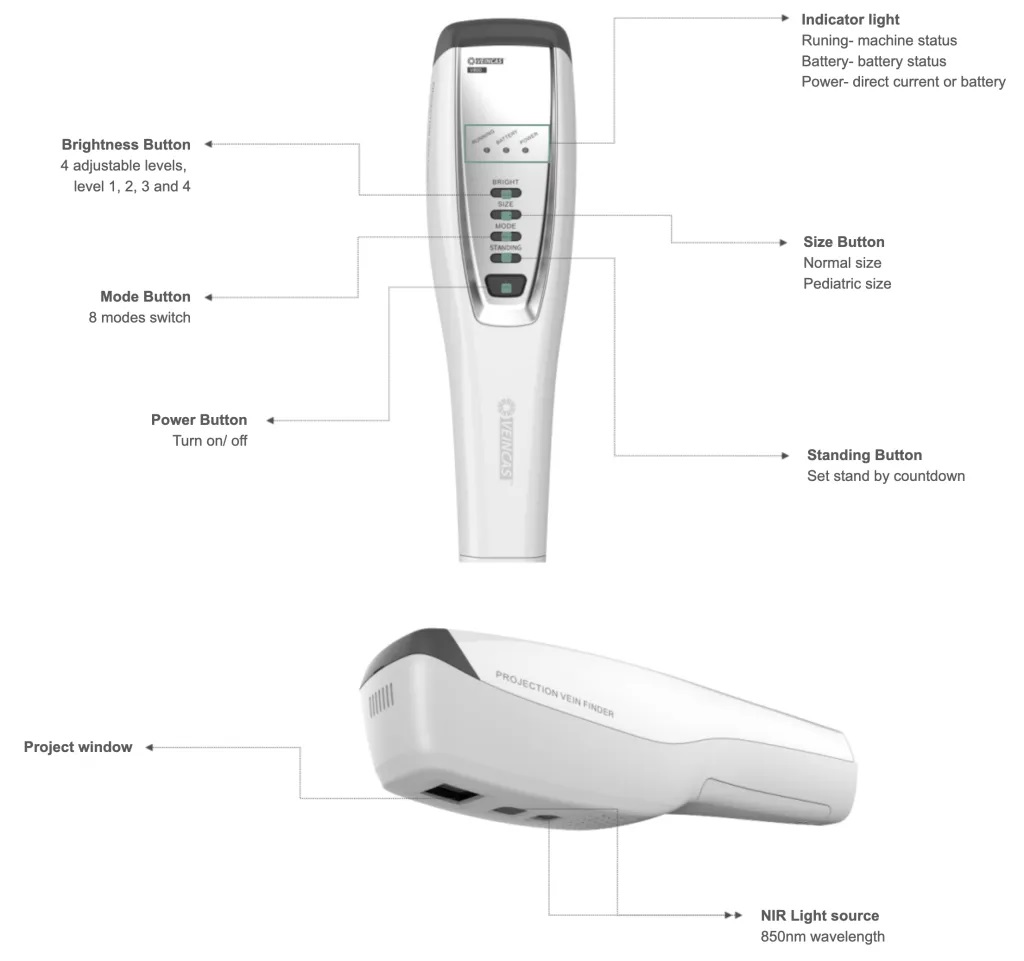
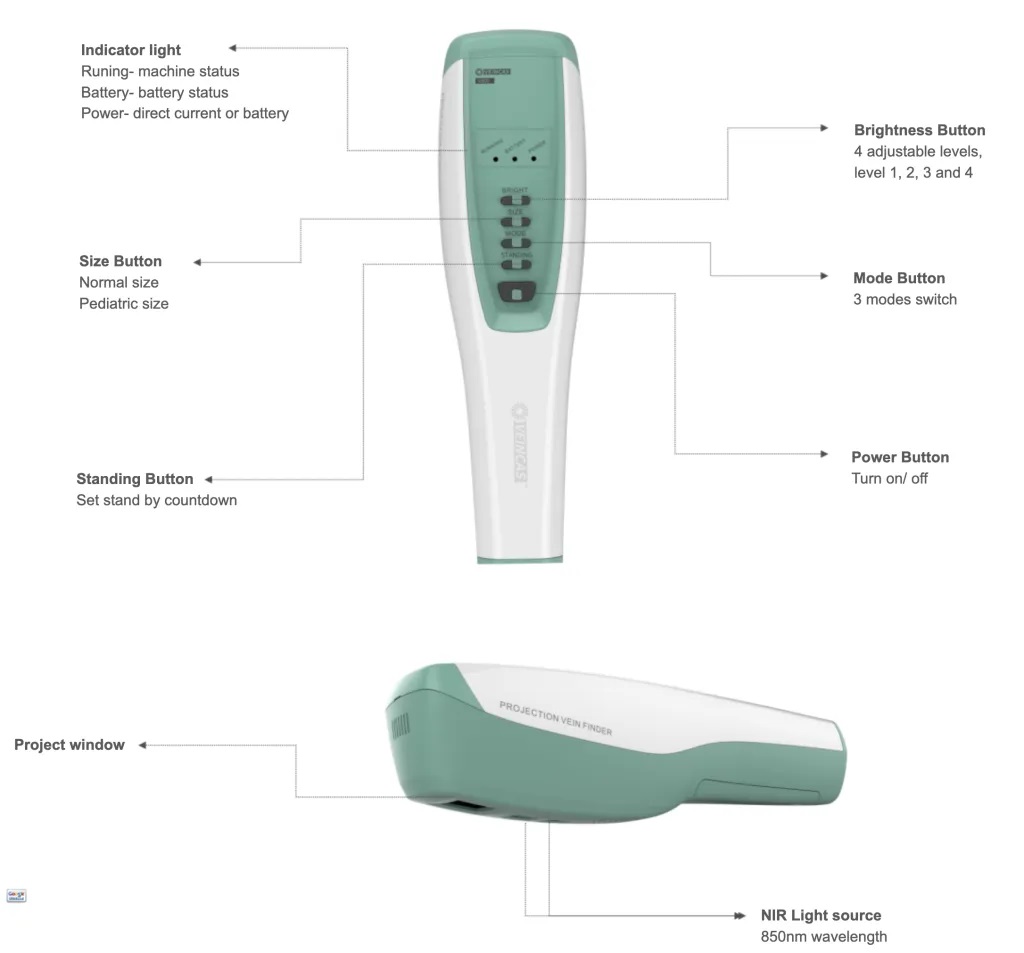
You rely on vein visualization technology to make IV procedures safer and more efficient. The portable vein finder for nurses uses near-infrared light to highlight veins beneath the skin. This technology creates real-time visualization, allowing you to see veins clearly and avoid multiple sticks. The device projects veins onto the skin surface, giving you instant feedback. You can switch between color modes for better contrast, estimate vein depth, and use pediatric mode for delicate skin. The high-definition projection ensures you see every detail, and the long battery life keeps the device ready throughout your shift.
|
Feature |
Description |
|---|---|
|
Near-Infrared Light |
Differentiates veins from tissue based on hemoglobin absorption. |
|
Real-Time Projection |
Projects veins onto skin in real-time, enhancing visibility. |
|
Multiple Color Modes |
Switches colors for better contrast on various skin tones. |
|
Depth Recognition |
Adjusts imaging to estimate vein depth. |
|
Pediatric Mode |
Optimizes light for smaller, delicate skin. |
|
High-Definition Tech |
Provides clear imaging during procedures. |
|
Long Battery Life |
Lasts through long clinical shifts. |
You face challenges when patients have darker skin tones or deep veins. The portable vein finder for nurses uses advanced vein visualization technology to overcome these obstacles. Near-infrared imaging enhances vein visibility, even in patients with complex vascular conditions. Consistent light and high contrast ensure you see veins clearly, regardless of skin tone. This adaptability makes the vein visualization device a valuable tool for every nurse. You improve outcomes for patients who need extra care and support.
Clinical studies show that vein visualization technology improves success rates and patient satisfaction. You see a 43% reduction in pain and an 83% improvement in first stick success for pediatric patients. Nurses report an 81% improvement in cannulation ability and a 93% success rate in one or two sticks. You deliver better care with the best vein finder for nurses, making every procedure more comfortable and efficient.
You want to achieve accurate vein visualization every time you perform venipuncture. Portable vein finders give you a clear view of veins, which leads to fewer missed veins and more successful insertions. Studies show that these devices improve the identification of veins by 35.2% compared to traditional methods. You can rely on the best vein finder for nurses to help you locate veins quickly, even in patients with challenging anatomy. This technology supports your goal of providing lower risks and faster care for every patient.
You save valuable minutes during each procedure when you use a vein finder for nurses. Portable vein finders allow you to see veins instantly, which means you spend less time searching and more time treating. Research shows that the time taken for IV insertion is similar to traditional methods, but you experience fewer complications and faster treatment. This efficiency leads to time savings, especially in busy hospital environments where every second counts. You can deliver faster treatment and move on to the next patient with confidence.
You notice an enhanced patient experience when you use the best vein finder for nurses. Patients report less pain and anxiety because you achieve successful venipuncture on the first attempt. Portable vein finders help you minimize repeated needle sticks, which leads to higher satisfaction scores. You also see improved cooperation from patients, especially children and older adults. The result is an enhanced patient experience and a more positive atmosphere in your hospital.
You help your hospital save money by reducing the number of failed attempts and complications. Portable vein finders dominate the market, accounting for 48% of revenue, which reflects a strong preference for mobility and user-friendliness. Hospitals make up 60% of the market, driven by the need for effective vascular access tools in chronic disease management. By using the best vein finder for nurses, you contribute to fewer complications, lower supply costs, and improved workflow. Healthcare professionals focus on tools that reduce needle-stick injuries and procedure time, making portable vein finders a smart investment for any hospital.
Tip: When you use a portable vein finder for nurses, you support your hospital’s goals for efficiency, safety, and patient-centered care.
You can follow these steps to use a vein finder for nurses effectively:
Power on the device and select the appropriate mode for your patient.
Explain the procedure to your patient to help reduce anxiety.
Position the patient's arm comfortably and apply a tourniquet if needed.
Adjust the brightness and color settings to match the patient's skin tone and the room lighting.
Hold the device above the skin and move it slowly until you see a clear projection of the veins.
Choose the best vein for access, then clean the area and maintain sterile technique.
Proceed with venipuncture while monitoring the real-time vein image.
After the procedure, turn off the device and clean it according to hospital guidelines.
Tip: Always practice proper hand hygiene and wear gloves to maintain infection control.
You can improve your success with portable vein finders by following these practical tips:
Select the right device based on your patient's age and skin characteristics.
Adjust brightness and color modes for optimal visibility.
Maintain a steady hand and avoid moving the device too quickly.
Position the patient’s arm at heart level for better vein visualization.
Streamline your workflow to enhance staff efficiency with vein finders.
Accurate vein visualization leads to higher first-time success rates and reduces patient discomfort. You also minimize complications by using the best settings for each situation.
You can integrate a vein finder for nurses into your daily routine with ease. The lightweight design and simple controls allow you to use portable vein finders in any department. Many hospitals connect these devices to electronic health records for seamless documentation. Advanced features like augmented reality and vascular recognition improve outcomes for patients. The table below shows key strategies for integration:
|
Key Integration Strategies |
Description |
|---|---|
|
AI Integration |
Enhances accuracy and personalized care. |
|
EHR Connectivity |
Supports efficient data management. |
|
Ease of Use |
Requires minimal training for staff. |
|
Portability |
Enables use across departments. |
|
Safety Compliance |
Meets regulatory standards. |
|
Advanced Features |
Improves visualization and outcomes. |
You help your team deliver better care and improve workflow by making the vein finder for nurses a standard part of your practice.
You may encounter certain challenges when using a portable vein finder for nurses in clinical practice. These devices can sometimes have visibility issues, especially in patients with dark skin or obesity. The quality of veins and the age of your patient can also affect how well you see the veins. Your skill level plays a big role in the success of the procedure. The table below summarizes common limitations:
|
Limitation |
Description |
|---|---|
|
Visibility Issues |
Difficulty in visualizing veins in certain populations, particularly those with dark skin. |
|
Impact of Obesity |
Obesity can obscure veins, making them harder to locate. |
|
Poor Vein Quality |
Variability in vein quality can lead to challenges in successful cannulation. |
|
Age Factors |
Both young and elderly patients may present unique challenges in vein visibility and access. |
|
Skill Level of Personnel |
The experience and skill of the clinician can significantly affect the success of the procedure. |
You often face difficult venous access in pediatric, elderly, or obese patients. A nurse vein finder helps you overcome these obstacles by providing a clearer view of veins before you attempt insertion. This reduces pain, stress, and the risk of bruising or infection.
Patients sometimes feel anxious about new technology. You can reassure them by explaining how a vein finder for nurses works. The device minimizes pain and boosts confidence in your care. Young patients benefit from reduced anxiety during needle procedures. You also speed up IV access, which improves emergency efficiency and supports quicker interventions.
Minimizes patient pain and enhances confidence in medical staff
Reduces anxiety for young patients during needle procedures
Speeds up IV access, facilitating quicker life-saving interventions
You can highlight features such as real-time imaging, adjustable brightness, and easy controls. These make the procedure smoother for both you and your patient. Hospitals use devices that meet FDA approval and ISO 13485 standards, ensuring safety and quality.
Proper maintenance of your best vein finder for nurses is essential for patient safety. You should regularly assess the device and the insertion site. Use antimicrobial sponge dressings and chlorhexidine body wash to lower infection risk. Daily device checks by trained nurses help maintain high standards. Ongoing staff education ensures everyone follows infection prevention best practices.
Establish vascular access teams to improve outcomes.
Implement maintenance bundles to reduce catheter-related infections.
Ensure all clinicians are trained and competent in infection control.
Improved vein visualization reduces the number of punctures needed, which lowers the risk of infection. Special populations benefit from these practices, especially those with difficult venous access.
You need effective training to use a portable vein finder for nurses in your hospital. Training programs help you master device operation and improve patient outcomes. Hospitals often use virtual in-service training, which includes skills quizzes and visual aids for venipuncture. You can also learn vein avoidance techniques for cosmetic procedures and follow step-by-step guides for device assembly. The table below shows common training options:
|
Training Program |
Description |
Key Features |
|---|---|---|
|
Virtual In-Service Training |
Learn device use and workflow integration |
Skills quiz, visual aids, certification |
|
Vein Avoidance Training |
Avoid veins in cosmetic and medical procedures |
Effective use at 8" (21cm) distance |
|
Wheeled Stand Assembly |
Assemble and stabilize vein-finding device stands |
Step-by-step instructions |
You gain confidence and proficiency when you complete these programs. Hospitals benefit from improved safety and reduced needlestick injuries. You support a streamlined workflow by ensuring all staff receive proper education.
You achieve the best results when you work closely with other healthcare professionals. Hospitals encourage collaboration among nurses, physicians, and support staff. You share knowledge about the best vein finder for nurses and discuss patient needs. You coordinate device use during emergency care and routine procedures. Hospitals invest in digital health platforms and AI integration to enhance teamwork. You participate in regular meetings to review outcomes and refine protocols. This approach leads to better patient comfort and higher success rates for venipuncture.
Tip: Open communication and shared responsibility help your hospital maintain high standards and adapt to new technologies.
You stay current with advancements in vein finder for nurses technology by following industry trends. Hospitals adopt new imaging methods, such as near-infrared and ultrasound-assisted visualization. You prefer handheld and wireless devices for mobility and point-of-care applications. Hospitals focus on regulatory compliance, clinical efficacy, and partnerships with device providers. You attend workshops and read research to learn about app-based interfaces and improved usability. The list below highlights strategies for staying updated:
Increase adoption in emergency and critical care settings.
Monitor advancements in imaging technologies.
Choose portable and wireless devices for accessibility.
Focus on regulatory standards like FDA and CE marking.
Establish partnerships with healthcare providers and distributors.
Demonstrate clinical efficacy through pilot programs.
Integrate app-based interfaces for convenience.
You help your hospital grow by embracing innovation and supporting ongoing education. Hospitals see improved patient outcomes and greater acceptance of nurse vein finder devices. You ensure your hospital remains a leader in patient care and technology.
Using a nurse vein finder, such as the best vein finder for nurses like Vivolight, offers clear advantages in hospitals. It boosts IV success rates, enhances patient comfort by reducing pain, and streamlines workflow. These benefits lead to safer, faster procedures and higher patient satisfaction. You should consider adopting a portable vein finder for nurses and advocate for its integration into your hospital’s routine. To get started, explore training options and collaborate with your team to improve vascular access practices.
A portable vein finder for nurses is a handheld device that uses infrared light to project a map of veins onto the skin. You can use it to locate veins quickly and improve IV success rates.
You reduce pain and anxiety for patients by using a nurse vein finder. The device helps you find veins on the first try, which means fewer needle sticks and a smoother experience for everyone.
Yes, you can use the best vein finder for nurses on all skin tones. Adjustable brightness and color modes help you see veins clearly, even on darker or lighter skin.
Always follow your hospital’s cleaning guidelines. Use approved disinfectant wipes after each use. Store the device in a safe, dry place to keep it ready for your next procedure.
You help patients with difficult venous access, such as children, older adults, or those with chronic conditions. These groups benefit most from a portable vein finder for nurses because it makes IV procedures easier and safer.
Leave A Message
Scan to WhatsApp :


 IPv6 network supported