 English
 Français
 Español
 Deutsch
 Italiano
 العربية



Tel :+86-755-86961139
Email :sales@vivo-light.com
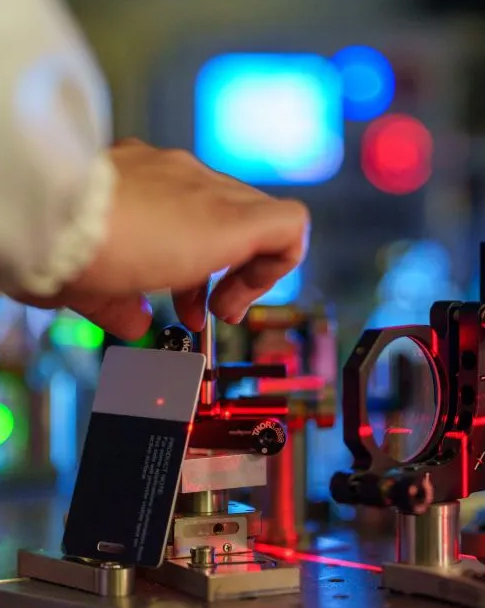

A projection vein finder lets you see veins under your skin. The device uses near-infrared (NIR) technology to scan your arm or hand. NIR light shows veins right away, so you can find the best spot for an injection. You get better results and feel less pain during procedures.
|
Feature |
Benefit |
|
Real-time imaging |
You see veins fast, which helps with quick and exact placement. |
|
Depth visibility |
The device shows veins up to 10 mm deep, good for hard-to-find veins. |
|
Improved success rates |
First try IV placements go up compared to old methods. |
A projection vein finder helps you see veins under your skin. It shines near-infrared light on your arm or hand. Hemoglobin in your blood takes in more infrared light than other tissue. This makes your veins look darker in the picture. A small camera inside the device captures this difference. The device then makes an image and shows a map of your veins on your skin. This helps you find the best spot for a shot or blood draw.
Tip: You can trust a projection vein finder to show your veins quickly and clearly, even if your veins are hard to see.
The main ideas behind these devices are in the table below:
|
Principle |
Description |
|
Use of Infrared Light |
The device shines infrared light on your skin. Hemoglobin in veins absorbs more light than other tissue. |
|
Differential Light Absorption |
Hemoglobin takes in more infrared light, so veins look darker. |
|
Imaging Technology |
A small camera sees the image. The device then puts the picture on your skin with a projector. |
These devices are right about 80% to 95% of the time in hospitals. Most people get a vein on the first try about 87% of the time. Things like age, skin color, how much water you drink, and vein health can change these numbers.
[Source: Clinical evaluations of near-infrared vein visualization technology and first-stick accuracy benchmarks in medical imaging.]
A projection vein finder has many important parts. There is a near-infrared laser that finds veins. There is also a visible laser that puts the image on your skin. The device uses special cooling and lines up the lights just right. These things help the device work safely and feel comfortable for you.
Here are the main kinds of projection vein finders:
|
Type of Projection Vein Finder |
Description |
|
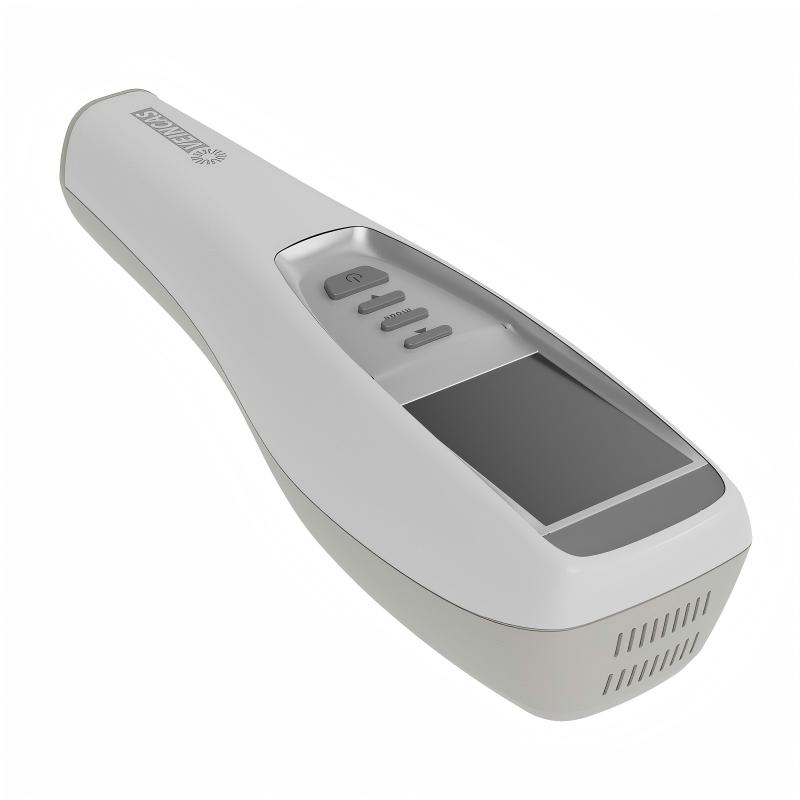
Portable Projection Vein Finder |
Light and easy to use anywhere. Good for doctors who travel. |
|
Desk Type Projection Vein Finder |
Stays in one place in clinics. Shows veins well. |
|
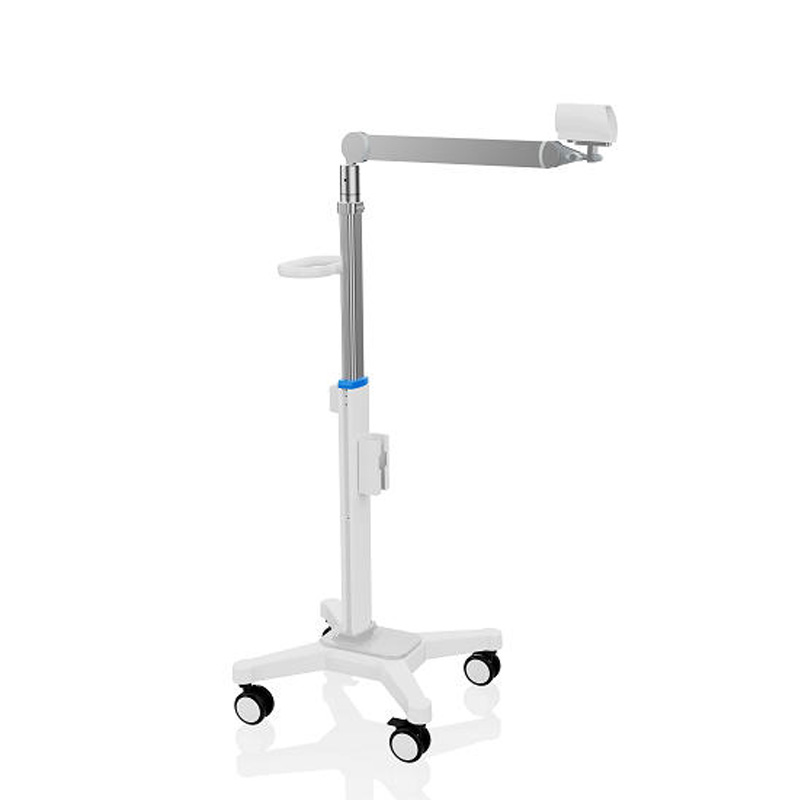
Trolley Type Projection Vein Finder |
Used in hospitals. Can move and help many patients. |
|
Others |
May have special features for different medical needs. |
You might see brands like vivolight that make NIR vein finders. These use both regular and invisible light to make clear pictures. The design helps you get good results and feel comfortable during medical care.
You get help from these features because you can see your veins better. This helps you and your doctor make good choices during medical care.
You can see your veins with a projection vein finder because hemoglobin in blood soaks up near-infrared light. When NIR light shines on your skin, the hemoglobin inside your veins takes in more of this light than the tissue around it. This makes your veins look darker in the picture. Devices use light with a wavelength of about 850 nm for the best results. This kind of light goes deep enough to show veins and is easy for the camera to see. Many medical devices, like AccuVein and VeinViewer, use this wavelength to help you find veins fast.
Deoxygenated hemoglobin takes in much more near-infrared light than muscle, fat, or skin. This big difference helps the device show veins clearly.
Scientists have learned how NIR light works with hemoglobin. Near-infrared spectroscopy checks hemoglobin levels because oxygenated and deoxygenated hemoglobin soak up light in different ways. Light between 650 and 950 nm can go through tissue and show changes in hemoglobin. The modified Beer-Lambert Law explains how much light hemoglobin absorbs. Using the right wavelength makes NIR vein finding more sensitive and correct.
[Source: Optical tissue window principles and modified Beer-Lambert Law evaluations on 850 nm near-infrared light absorption by deoxygenated hemoglobin for medical vein visualization systems.]
Tissue around your veins, like skin and fat, bounces NIR light back instead of soaking it up. This makes the tissue look brighter in the picture. The difference between dark veins and bright tissue makes it easy to see veins. You can spot veins easily with a near-infrared vein finder because veins soak up light and tissue reflects it.
Body tissues work with light in two main ways: soaking it up and scattering it. Chromophores like hemoglobin, melanin, lipids, and water change how light moves through your skin. Hemoglobin soaks up NIR light, but lipids scatter it. Water is mostly clear in the NIR range, but it can soak up light at other wavelengths. These things help the device make a clear map of your veins.
You get a bright and clear vein map because the device uses these facts about your body. The difference between veins and tissue lets you see veins that are hard to find. NIR vein finding works well for people with all skin colors and body types.
You can see your veins right away because the device works fast. The medical vein detection device shines near-infrared light on your skin. Deoxygenated hemoglobin soaks up this light, but the tissue around it bounces the light back. A special camera catches the difference between veins and tissue. The device quickly turns this into a clear map of your veins.
The device uses smart computer steps to make the picture better. These steps help the near-infrared vein finder show the edges of veins and cut down on extra signals. Making the edges stand out helps you see veins more clearly. The device can also guess how deep the veins are. This helps you find veins that are not close to the top of your skin.
|
Algorithm Type |
Description |
|
Near-infrared imaging |
Uses wavelengths between 700-900nm to make veins stand out. |
|
Reflection difference imaging |
Contrasts veins against tissue by capturing reflected light. |
|
Edge enhancement |
Sharpens vein outlines and reduces background noise. |
|
Depth prediction |
Shows how deep veins are based on reflection intensity. |
Tip: You can count on the device to work fast, so you see your veins as soon as you scan your skin.
After making the image, the Projection Vein Finder puts a digital map of your veins on your skin. The device uses NIR vein visualization to show the vein pattern right where it is under your skin. You see your veins in real time, which helps you and your doctor pick the best spot for a shot.
You will see colors that make the map easier to read. The device uses visible light and NIR spectroscopy to help you see veins better. LED light waves shine on places where hemoglobin soaks up light. This makes veins look darker and the tissue around them look brighter.
You get a clear and correct map that helps you feel safe and comfortable during medical care.
A Projection Vein Finder helps you find veins without hurting your skin. The device shines near-infrared light on your arm to make a clear map of your veins. You do not need needles or extra steps before the procedure. This technology gives you correct results and helps your nurse or doctor find the right spot fast.
You get better accuracy than with old ways. Nurses and doctors say vein finders work 87.1% of the time, but old methods only work 46.8% of the time. You have fewer missed tries, so you feel less pain and have less risk. Ultrasound is still the best tool for seeing veins in hard cases. It works better than infrared devices when veins are hard to see. Using ultrasound also means patients do better because there are fewer tries needed to get the vein.
You get a safe and easy way to find veins that helps nurses and doctors.
You feel better during procedures when your nurse uses a near-infrared vein finder. The device helps lower pain and worry, especially for kids and babies. You have fewer problems and things go more smoothly. Nurses see that patients are calmer and less stressed.
|
Evidence Description |
Result |
|
Less pain for kids |
43% |
|
More first tries that work |
83% |
|
Fewer tries needed |
A lot fewer |
|
Tries needed went from 8 to 2 |
Much better |
|
Less time to get the vein |
81% |
You stay safe because the device means fewer missed tries. You get care that is faster and feels better. NIR vein finders help you feel sure and safe during medical care.
You get a safer, quicker, and more comfortable experience with these new devices.
[Source: Clinical studies and meta-analyses on pediatric vein visualization technology, demonstrating an 83% increase in first-stick success rate, a 43% reduction in pediatric pain, an 81% decrease in procedural time, and maximum puncture attempts reduced from 8 to 2.]
It can be hard to find a vein sometimes. A Projection Vein Finder helps you get the vein on your first try. The device uses near-infrared light to show veins clearly. This means you do not need to poke many times. Hospitals say these devices work better than doing it by hand.
|
Technique |
First-attempt success rate |
|
Hospital-grade vein finders |
93% |
|
Manual techniques / NIR devices |
45% |
You notice the difference right away. When you use a medical vein detection device, you spend less time looking for veins. Nurses and doctors finish their work faster, and you feel less pain. Studies show that the number of tries goes from more than two to just one. People are happier because they get care faster and with fewer pokes.
|
Study |
Method |
Sample Size |
Mean Number of Attempts |
1st Attempt Success Rate |
Mean Time per IV (minutes) |
Patient Satisfaction Score |
|
Cardinal Glennon |
VeinViewer Assisted |
40 |
1.18 |
83% |
6.6 |
4.07 |
|
Cardinal Glennon |
Traditional |
48 |
2.08 |
31% |
17.06 |
1.85 |
|
Jefferson Memorial Hospital |
VeinViewer Assisted |
32 |
1.13 |
88% |
4.75 |
4.19 |
|
Jefferson Memorial Hospital |
Traditional |
32 |
2.00 |
28% |
15.09 |
1.89 |
You get fewer missed tries and faster care with vein finders. Nurses see a big drop in first try failures and less infiltration.
[Source: Clinical operations and comparative study reports from SSM Health Cardinal Glennon Children's Hospital and Jefferson Memorial Hospital evaluating VeinViewer-assisted vs. traditional intravenous access efficacy.]
Some veins are hard to see or feel. Near-infrared vein finders make these veins easy to spot. The device shines light on your skin. Deoxygenated blood soaks up the light, so veins look like dark lines. This is called transillumination. It gives you a clear view of your veins.
You get better accuracy and shorter procedure times. The small size lets nurses use the device anywhere, so you get help faster. You feel more comfortable and sure because the device helps your nurse pick the best spot for the needle.
You get a clear map of your veins, so your nurse or doctor finds the right vein fast. This technology makes patients happier and keeps you safer.
You can see how a Projection Vein Finder uses near-infrared light to help find veins. This tool makes medical care faster, safer, and more correct. It works well if your veins are hard to find.
|
Advantage |
Description |
|
Accuracy |
Helps nurses and doctors get the vein on the first try. |
|
Speed |
Makes finding veins take less time. |
|
Safety |
Lowers the chance of hurting your veins or having problems. |
You get help from these devices in hospitals, clinics, and emergency rooms. As technology gets better, these tools will help you even more.
You can trust a projection vein finder. The device uses safe near-infrared light. It does not break your skin or cause pain. Hospitals use these devices every day for both adults and children.
Yes, you can use a medical vein detection device on any skin tone. NIR vein visualization works well because near-infrared light goes through skin and shows veins clearly, even if your skin is dark or light.
You can see veins up to about 10 mm deep with a near-infrared vein finder. The device works best for veins close to the surface. For very deep veins, doctors may use ultrasound.
No, NIR vein visualization does not hurt or burn your skin. The device uses cool, low-energy light. You will not feel heat or pain during use.
Most projection vein finders are for hospitals or clinics. You may find some portable models, but you should let trained medical staff use them for best results and safety.
Leave A Message
Scan to WhatsApp :


 IPv6 network supported