 English
 Français
 Español
 Deutsch
 Italiano
 العربية



Tel :+86-755-86961139
Email :sales@vivo-light.com
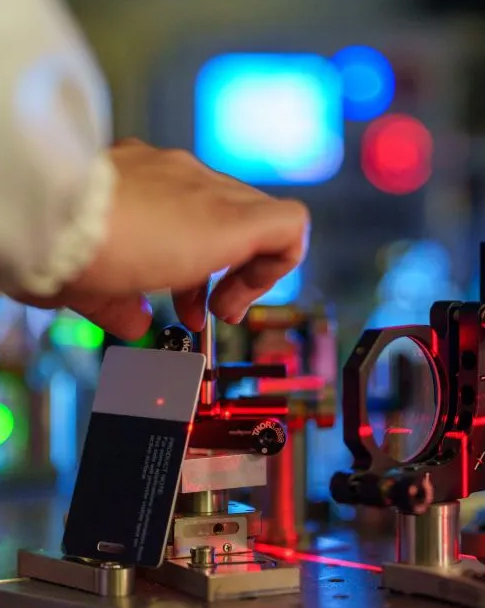

You often face challenges when finding a suitable vein for venipuncture. Projection vein finder devices, such as the Vivolight models, can make a big difference. Studies show first-attempt success rates jump to 87.1% with these devices, compared to only 46.8% using traditional methods. Vein finder technology improves patient comfort and reduces complications. However, you should recognize that no device guarantees perfect results every time. Understanding both the strengths and the limitations helps you make the best use of this technology.
Projection vein finders can significantly increase first-attempt success rates for venipuncture, improving patient comfort.
Using infrared light, these devices create real-time maps of veins, making it easier to locate them before needle insertion.
Training and skill in using vein finders are crucial for maximizing their effectiveness and reducing failed attempts.
Vein finder technology is especially beneficial for patients with difficult veins, such as children and those with darker skin tones.
Combining vein finders with good communication and pain management practices enhances the overall patient experience.
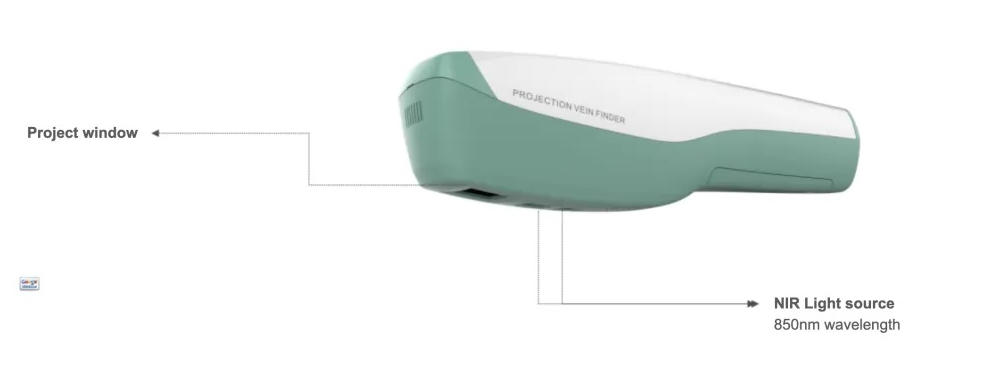
You can better understand how a projection vein finder operates by looking at its core technology. The device uses near-infrared light to highlight veins beneath the skin. This process relies on the unique way hemoglobin in your blood absorbs infrared light, while the surrounding tissue reflects it. The device captures these differences and creates a real-time map of your veins, projecting the image directly onto your skin. This allows you to see the exact location of veins before you attempt venipuncture.
The infrared light mechanism relies on the varying absorption rates of hemoglobin in blood compared to surrounding tissues.
Near-infrared light is absorbed by blood while being reflected by the surrounding tissue.
This differential absorption enables the device to capture and process reflected light, creating a real-time visual representation of veins on the skin's surface.
The technology uses safe, non-invasive infrared light and projects a processed image of the patient's veins onto the skin, such as the back of the hand.
This approach makes vein finder technology especially useful in situations where veins are hard to locate, such as with pediatric patients or individuals with darker skin tones.
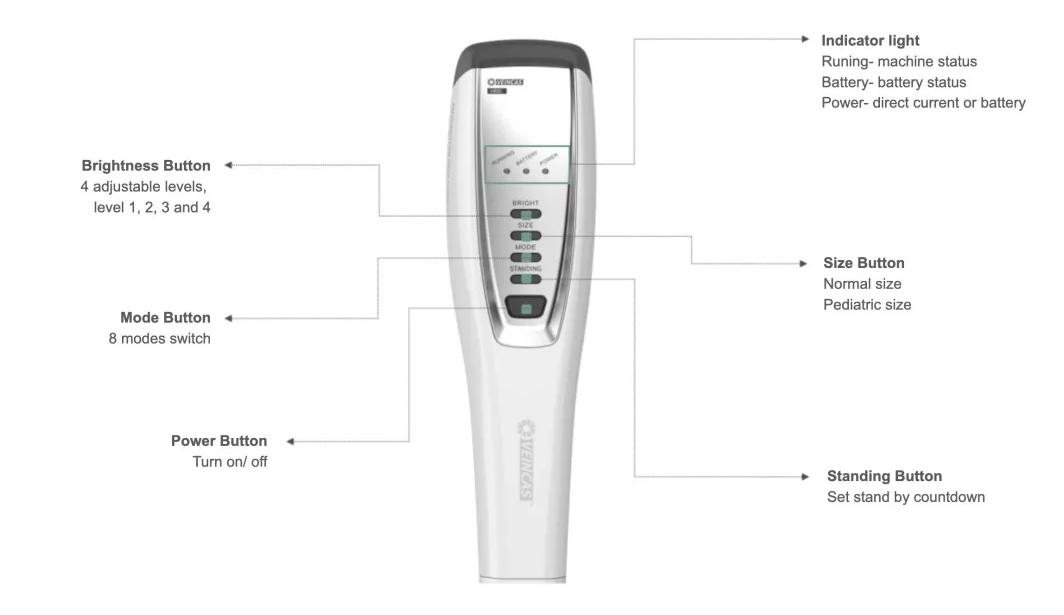
You will find that modern projection vein finder devices focus on ease of use and portability. Vivolight offers two main models: the V800F and the V800P. Both models feature a lightweight, ergonomic design that fits comfortably in your hand. You can easily adjust the brightness to match different lighting conditions, which helps you get a clear view of the veins in any environment.
|
Clinical Scenario |
Device Used |
Outcome |
|---|---|---|
|
Pediatric Patients |
VeinViewer® |
Better at finding veins, more first-try success, fewer tries needed. |
|
Paramedics in EMS |
AccuVein |
Easier IV access, more success, fewer tries in tough situations. |
These features make the projection vein finder a valuable tool for nurses, doctors, and paramedics. You can use it in hospitals, clinics, or emergency settings. With vein finder technology, you improve your chances of a successful first attempt and enhance patient comfort.
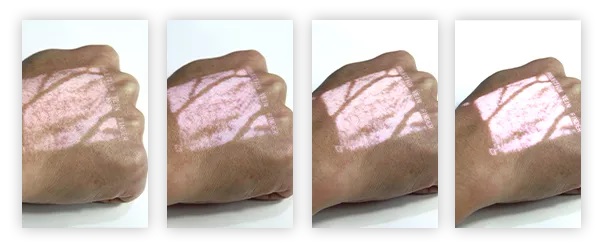
You want to improve outcomes for your patients during venipuncture attempts. Vein finder technology helps you achieve this goal by making veins easier to locate and reducing the number of failed attempts. When you use a projection vein finder, you can see veins in real time, which increases your confidence and accuracy.
The Projection Vein Finder V800P reduces first venipuncture failure rates by 77.5%.
It decreases infiltration rates by 61.4%.
NIR vein finders enhance the likelihood of successful application on the first attempt by 92%.
You can compare the effectiveness of vein finder technology with traditional palpation techniques. The following table shows results from clinical studies:
|
Study Type |
Technique Used |
Sample Size |
Success Rate |
Findings |
|---|---|---|---|---|
|
Randomized controlled trial |
Near-Infrared Projection |
123 |
72% (near-infrared) vs. 79% (standard) |
No significant improvement in overall success, useful in selected cases |
|
Systematic review |
Near-Infrared Projection |
— |
No significant effect |
It does not significantly reduce first-attempt failure rates |
You see that outcomes can vary depending on the patient population and clinical setting. In many cases, vein finder technology improves first-attempt success rates, especially for patients with difficult veins. You also notice that the device streamlines your workflow by reducing the time spent on repeated attempts. This leads to better outcomes for both you and your patients.
The following table highlights the impact of projection vein finder use on workflow and staff workload:
|
Benefit |
Impact on Workflow Efficiency |
Impact on Staff Workload |
|---|---|---|
|
Reduces failed attempts |
Increases success rates in venipuncture |
Less time spent on re-attempts |
|
Enhances first-attempt success |
Minimizes tissue trauma and patient anxiety |
Reduces overall procedure time |
|
Supports accurate device placement |
Lowers risks of complications |
Decreases nurse workload |
|
Improves workflow efficiency |
Streamlines clinical processes |
Alleviates staff burden |
You can see that using vein finder technology not only improves clinical outcomes but also makes your work more efficient.
You want your patients to feel comfortable and safe during procedures. Vein finder technology plays a key role in reducing pain and anxiety. When you use a projection vein finder, you increase the chance of a successful first attempt, which means fewer needle sticks and less discomfort.
Vein finder technology reduces the number of failed attempts during venipuncture, leading to less pain and discomfort for patients.
It provides psychological reassurance by allowing you to visualize veins accurately, which enhances the overall experience for patients, especially those with difficult veins.
A smoother venipuncture experience builds patient confidence and trust, contributing to improved satisfaction and comfort.
"Getting a needle insertion right the first time goes a long way to improving patient comfort and ultimately satisfaction... If you find a good vein, you’re practically done with the procedure."
— Joe Garcia, Registered Nurse at Knapp Medical Center
You also notice that outcomes improve when you use vein finder technology in routine care. Patients report higher satisfaction because you minimize tissue trauma and reduce anxiety. The technology streamlines procedures, so you spend less time searching for veins and more time focusing on patient care.
The following table compares NIR vein finders and ultrasound-guided venipuncture:
|
Method |
Accuracy on First Attempt |
Ease of Use |
|---|---|---|
|
NIR Vein Finders |
92% |
High |
|
Ultrasound-Guided |
Complex Access |
Requires Training |
You find that projection vein finder devices offer high accuracy and are easy to use, making them ideal for routine venipuncture attempts. You can rely on this technology to deliver better outcomes and a more positive experience for your patients.
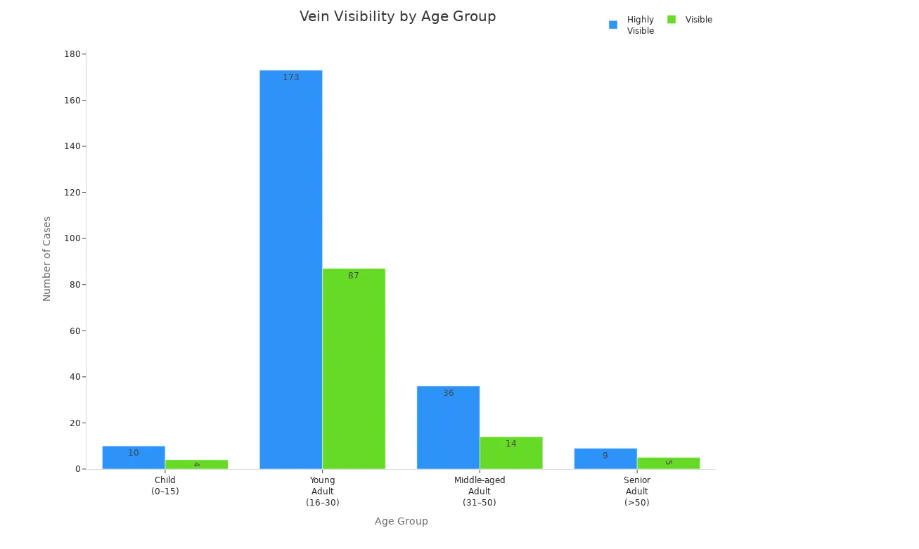
You may notice that vein finder technology does not always deliver the same results for every patient. Several factors can influence how well you can visualize veins and achieve successful venipuncture attempts. Age and skin tone play a major role in vein visibility. Younger adults tend to have more highly visible veins compared to seniors and children. The following table shows how age affects vein visibility:
|
Age Group |
Highly Visible |
Visible |
|---|---|---|
|
Child (0–15) |
10 |
4 |
|
Young Adult (16–30) |
173 |
87 |
|
Middle-aged Adult (31–50) |
36 |
14 |
|
Senior Adult (>50) |
9 |
5 |
|
TOTAL |
228 |
110 |
Skin tone also impacts the effectiveness of vein finder technology. Medium and darker complexions show a higher number of visible veins, but you may still face challenges with very dark skin tones. Here is a breakdown:
|
Skin Tone |
Highly Visible |
Visible |
|---|---|---|
|
Light Complexion |
6 |
2 |
|
Medium Complexion |
91 |
47 |
|
Darker Complexion |
139 |
70 |
|
Dark Complexion |
6 |
2 |
|
TOTAL |
242 |
121 |
You may find that pediatric and geriatric patients respond differently to vein finder technology compared to adults. Studies show that infants and young children often benefit from higher first-attempt success rates and lower pain scores. For example, one study found that infants had an 86% first-attempt success rate with a vein finder, compared to 75% in the control group. Another study reported that children aged 0–3 years experienced fewer attempts and shorter procedure times. The table below summarizes these findings:
|
Study |
Population |
Device Used |
Success Rate (First Attempt) |
Pain Score |
Time to Cannulation |
|---|---|---|---|---|---|
|
Caglar et al. |
NICU patients |
AccuVein |
Higher success with less time |
Low Neonatal Infant Pain Scale |
N/A |
|
Phipps et al. |
Infants |
VeinViewer |
86% vs 75% in control |
N/A |
N/A |
|
Inal et al. |
Children 0-3 years |
AccuVein |
74.1% vs 40.7% |
Lower FLACC score |
Fewer attempts, shorter duration |
|
Chapman et al. |
Children 0-2 years |
VeinViewer |
N/A |
Lower VAS score |
Reduced time from 167s to 121s |
|
Conversano et al. |
Children <5 years |
VeinViewer |
N/A |
N/A |
No benefit noted |
Device features also affect your ability to achieve positive outcomes. You need clear images to identify veins accurately. Good image clarity helps you locate the right vein quickly, which reduces discomfort for patients and increases the success rate of venipuncture attempts. Battery life is another important factor. In busy clinical settings, a device with long battery life ensures you can access vein visualization when you need it most. If the battery runs out during a procedure, you may face delays that impact clinical outcomes.
Tip: Always check your device’s battery status before starting a procedure. Reliable battery life and clear imaging help you deliver better outcomes for your patients.
You may still encounter patients with difficult venous access, even when using vein finder technology. Some veins remain hard to access, and device availability can vary across healthcare settings.
Patients with challenging veins may require additional techniques.
Vein finders may not be available in every clinic or hospital.
Your skill and training play a crucial role in maximizing the benefits of vein finder technology. You need to know how to interpret the projected images and select the best vein for venipuncture attempts. Well-trained operators achieve better clinical outcomes and reduce the number of failed attempts.
The following table highlights how training influences success rates and procedure efficiency:
|
Intervention Type |
Success Rate |
Number of Attempts |
Procedure Duration |
|---|---|---|---|
|
NIR Device |
Improved |
Reduced |
Shortened |
|
Ultrasound Training |
Enhanced |
Fewer |
Decreased |
You can see that structured training and hands-on practice help you develop confidence and accuracy. The table below outlines key components of effective training programs:
|
Training Component |
Description |
|---|---|
|
Structured Training |
Emphasizes the importance of a well-organized training program to ensure competency. |
|
Hands-On Skill Development |
Focuses on simulation and practice to develop muscle memory and procedural confidence. |
|
Clinical Integration |
Involves supervision and credentialing to refine skills in real-world clinical settings. |
You may notice that ultrasound devices reach an 80.95% success rate when used after multiple failed attempts. This shows that advanced training and alternative technologies can help you access veins that are difficult to find with standard methods.
|
Intervention Type |
Success Rate |
Description |
|---|---|---|
|
Ultrasound Device |
80.95% |
Used after multiple failed attempts, enabling access to previously difficult veins |
Note: You can improve your outcomes by participating in structured training and practicing with simulation models. Clinical integration and supervision help you refine your skills and deliver better care.
You play a key role in achieving successful venipuncture attempts. Your expertise, combined with vein finder technology, leads to improved clinical outcomes and greater patient satisfaction.
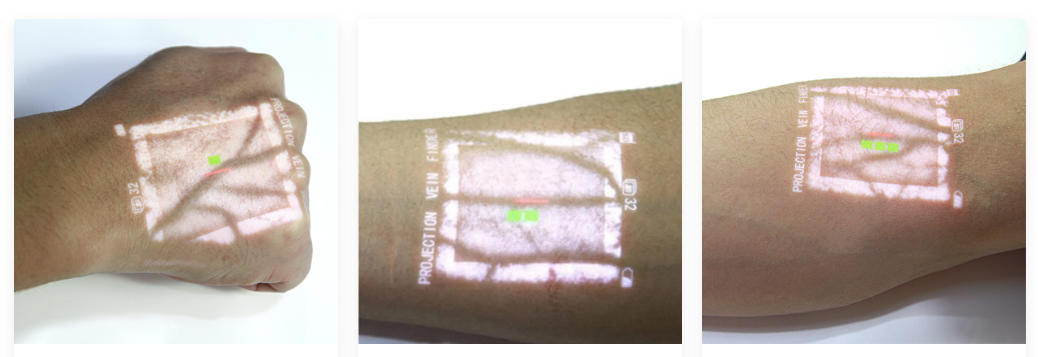
You can achieve improved venipuncture success by following clinical best practices with vein visualization technology. Start by preparing the patient and selecting the right device settings. Adjust brightness for optimal real-time visualization. Use advanced vein visualization to identify veins before starting venipuncture attempts. This approach helps you reduce pain perception and increase venipuncture success rates.
Always perform a pain assessment before and after the procedure. This helps you monitor pain management and adjust your technique.
Use vein visualization technology to minimize the number of venipuncture attempts. Fewer needle sticks lead to lower anxiety and better pain management.
Studies show that using near-infrared technology can raise first-attempt success rates to 79%. Traditional methods often result in more pain perception and lower success rates.
You can place a peripheral intravenous catheter faster with vein visualization technology. The average time drops to 53-246 seconds, compared to 68-300 seconds with standard methods.
Fewer attempts mean less risk of needlestick injuries and more efficient use of resources.
You should always communicate with your patient. Explain the process and use pain assessment tools to track pain perception. This builds trust and supports pain management throughout the procedure.
You will find vein visualization technology most effective in specific clinical scenarios. Use it for patients with difficult venous access, pediatric cases, or when pain management is a priority. Real-time visualization helps you locate veins up to 10mm deep and provides feedback on blood refill rate. You can confirm IV patency and detect hematomas after placement.
|
Clinical Scenario |
Benefits of Vein Visualization Technology |
|---|---|
|
Difficult Venous Access |
Higher first stick success, fewer needle sticks, improved pain management |
|
Pre-access Assessment |
Locates deep veins, supports pain assessment |
|
During-access Navigation |
Visualizes rolling veins, confirms IV patency |
|
Post-access Assessment |
Detects hematomas, confirms successful placement |
Sometimes, you may need alternatives. If you cannot visualize deep veins, consider ultrasound for better penetration. For complex access, such as central lines, other methods may work better. Always assess pain perception and choose the technique that best fits your patient’s needs.
|
Limitation |
Alternative Method Consideration |
|---|---|
|
Penetration depth |
Use ultrasound for deeper veins |
|
Not suitable for complex access |
Consider alternatives for central lines |
You can combine vein visualization technology with other techniques for greater improvement in clinical outcomes. This integration leads to higher user satisfaction, more veins identified, and better pain management. You support pain perception and achieve lower anxiety for your patients.
You can rely on projection vein finders, such as Vivolight, to make venipuncture faster and more efficient. Meta-analyses show these devices reduce procedure time and the number of attempts, though first-attempt success rates remain similar to traditional methods.
|
Outcome |
Near-Infrared Devices |
Traditional Methods |
Difference |
|---|---|---|---|
|
Procedure Time (s) |
Reduced by 29.43 |
– |
Statistically significant |
|
Number of Attempts |
Reduced by 0.47 |
– |
Statistically significant |
|
First Attempt Success |
No significant difference |
– |
Not significant |
You should combine this technology with your clinical judgment for the best results. Professional organizations recommend using vein visualization tools to improve patient care. Future advancements, such as AI integration and improved imaging, will further enhance your success rates.
You see higher success rates because vein finder technology gives you a clear view of veins. This helps you avoid multiple attempts. You can improve outcomes for all patients, especially for pediatric patients and neonatal cases in neonatal intensive care units.
You use vein finder technology to locate veins in pediatric patients. This increases success rates and reduces pain. You see better outcomes in neonatal and pediatric patients, especially in neonatal intensive care units. You make procedures less stressful for children.
You rely on vein finder technology in neonatal intensive care units to improve success rates. Neonatal patients have tiny veins. You need accurate visualization. This technology helps you achieve better outcomes and reduces complications for neonatal and pediatric patients.
You notice higher success rates for neonatal and pediatric patients when you use vein finder technology. In neonatal intensive care units, you see improved outcomes. You reduce failed attempts and make procedures safer for neonatal and pediatric patients.
You achieve better outcomes in neonatal care by using vein finder technology. You increase success rates for venipuncture in neonatal and pediatric patients. In neonatal intensive care units, you see fewer complications and more efficient procedures.
Leave A Message
Scan to WhatsApp :


 IPv6 network supported