 English
 Français
 Español
 Deutsch
 Italiano
 العربية



Tel :+86-755-86961139
Email :sales@vivo-light.com
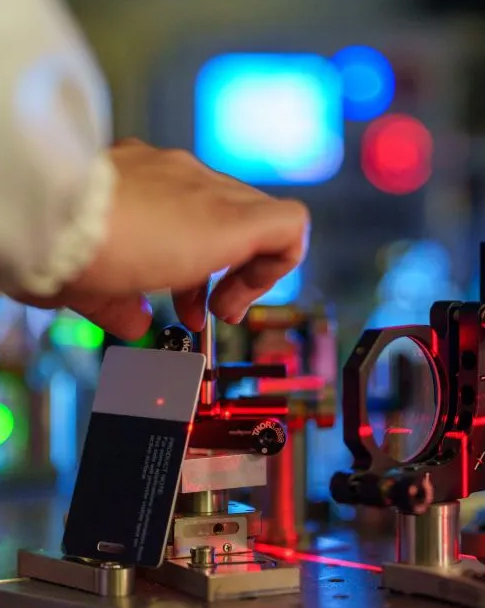

You should pick an oct imaging system that fits your needs. New features, like multimodal integration and automatic measurement, help you work faster. These features also help you make better decisions. Studies show that AI-integrated analysis and multimodal data help find problems early. They also help doctors check risks better. Think about how you work and how many patients you see. Make sure the system works well with other imaging tools. A portable and compatible system helps you use it in different places.
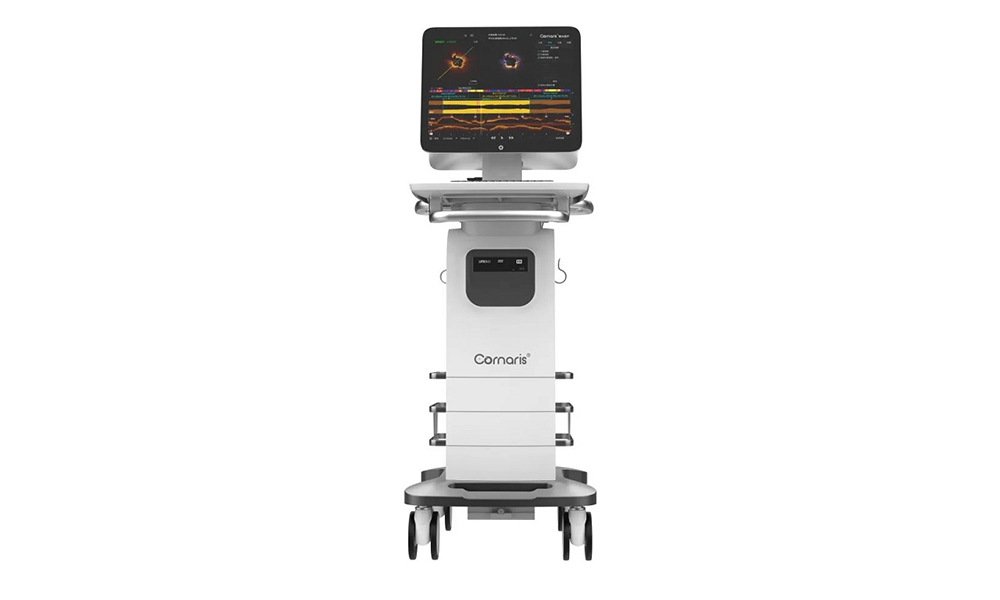
First, decide if you need an oct imaging system for clinical work or research. Each one needs different things. Clinical work needs clear rules. Doctors use the same words and measurements every time. This helps everyone understand the results. Research is more about trying new ideas or methods. Researchers use special tools to study images and get fair results.
Here is a table that shows the main differences:
|
Aspect |
Clinical Applications |
Research Applications |
|---|---|---|
|
Standardization |
Need clear words and definitions |
Focus on fair image study |
|
Clinical Utility |
Data helps doctors choose what to do |
Used to test new ideas and methods |
|
Imaging Modalities |
Fast, clear, and simple to use |
Used to guide new treatments |
|
Outcome Improvement |
Can help patients get better |
Used mostly for studies and research |
Think about your main goal. If you want to help patients now, pick clinical use. If you want to learn new things or test tools, research use may be better.
Think about how many patients you see each day. If your clinic is busy, you need a system that works fast and fits your routine. A good system should not slow you down. For clinical work, speed and easy use are important. You want to move from one patient to another quickly.
If you do research, you may have more time for each scan. You might need extra features to study data. Check if the system fits your workflow. Some systems work best in big hospitals. Others fit small clinics. Always pick a system that matches your daily needs.
Always check the image resolution before you pick an OCT imaging system. High resolution lets you see tiny details inside the body. Most systems today can show details as small as 1 to 15 micrometers. This is much better than what ultrasound can do. With this detail, you can see tissue structure and even some cells. This helps you make better diagnoses.
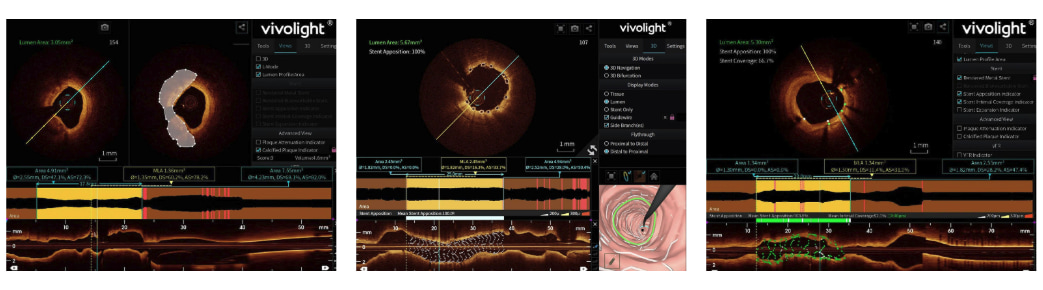
Clear images are important for both eye and heart care. When images are sharp, you can find problems early. This helps patients get better results. The cornaris multimodal OCT imaging system gives you clear, high-resolution images. You can see the vessel wall and lumen very well. This helps you plan treatments and check for risks.
|
Evidence Type |
Description |
|---|---|
|
Study Focus |
Clinical guidelines for OCT in interventional cardiology |
|
Recommendations |
Class I, Level A evidence for PCI guidance in complex cases |
|
Outcomes |
Enhanced lesion characterization and reduced long-term adverse outcomes |
|
Importance |
Reinforces OCT's role as a cornerstone of precision-guided coronary care |
You should also think about scan area and scan density. These affect how much tissue you can see and how clear the images are. Good image quality helps you make better decisions. In retinal imaging, clear scans help doctors find diseases early and treat them before they get worse.
Speed is important when you use an OCT imaging system. Fast scanning lets you see more patients in less time. It also helps stop blurry images from patient movement. Some systems scan at 85 kHz or even 125 kHz. Faster scans mean less waiting for everyone.
Short scan times help you get clearer pictures. When scans are quick, patients move less. This means fewer mistakes in the images. The Cornaris system has fast scanning modes like Full View Mode and Super Fast Mode. These let you finish scans in just a few seconds.
|
Evidence |
Explanation |
|---|---|
|
Reduction in eye movement |
Shorter scanning times lead to less eye movement, which minimizes artifacts in images. |
|
Signal averaging |
Averaging adjacent A-scans or B-scans improves scan quality by reducing speckle noise. |
|
High-density capture of fine structures |
High-speed systems can capture photoreceptor structures, revealing critical clinical information. |
|
3D data acquisition |
Faster speeds enable advanced processing and novel scanning patterns that reduce artifacts. |
Using a fast system helps your workflow. You can help more patients and get good results. This makes your clinic or lab work better.
The software and interface are important for your daily work. You want a system that is easy to use and helps you get answers fast. New systems use artificial intelligence to help you look at images. This means you get automatic measurements and reports quickly.
The Cornaris Intravascular OCT Imaging System has tools like automatic measurement of the lumen and plaque. It also has smart calcium checks and 3D views. These tools help you make choices faster and with more confidence. The software can even help you change treatments, like dual antiplatelet therapy.
Tip: Pick a system with easy-to-use software. This saves you time and helps you avoid mistakes.
New optical coherence tomography systems use machine learning and deep learning. These tools find patterns in images that people might miss. This gives you better results and helps you diagnose more accurately.
Check if the OCT imaging system works with other devices in your clinic or hospital. About 26% of new systems combine OCT with fundus cameras or angiography. This means you can use one machine for different scans. The Cornaris system works with Digital Subtraction Angiography (DSA) systems. You can see both OCT and DSA images at the same time.
|
Feature |
Benefit |
|---|---|
|
Seamless integration |
Reduces setup time and minimizes clutter |
|
Access to multiple modalities |
Facilitates informed decision-making during PCI |
|
Fewer cables |
Enhances workflow efficiency in the cath lab |
When your equipment works together, you save time and space. You also make better choices because you have more information. Good compatibility helps your workflow and lets you give better care.
Note: Always ask if the system can connect with your current devices before you buy.
Modern OCT imaging systems, like the Cornaris, have new features like multimodal integration, automatic measurement, and high-resolution imaging. These advances make it easier for you to diagnose and treat patients quickly and accurately.
You should think about your budget before buying an OCT Imaging System. These systems usually cost between $40,000 and $150,000. You also need to think about the total cost of owning the system. This means not just the price to buy it, but also other costs.
Regular maintenance keeps your system working well.
Cleaning, calibration, and updates help you get clear images.
Sometimes you need to replace parts like light sources and filters.
Manufacturer support helps you fix problems fast and avoid long waits.
If you want a Multimodal OCT Imaging System, it may cost more because of special features. You should think about what you need and how much you can spend to make the right choice.
Good vendor support helps you use your OCT Imaging System with confidence. Training is important for you and your team. More than 2,500 specialists have learned advanced OCT skills in training academies. This training helps you understand images and use the system better.
Vendors often give hands-on training and online help.
Support teams can answer questions and help fix problems.
Training helps you get better at using your system.
If you use a Multimodal OCT Imaging System, vendor support can help you learn new features and keep your work smooth. You should ask about training before you buy.
Warranty and maintenance plans protect your investment. You should look for packages that fit your needs. Here is a table that shows common options:
|
Package Type |
Features |
|---|---|
|
Bronze |
Periodic inspections, latest updates, remote diagnosis |
|
Silver |
Labor costs for repairs, periodic inspections, remote services |
|
Gold |
Spare parts without hidden costs, periodic inspections, remote support |
|
Platinum |
Covers materials and labor, proactive maintenance, remote services |
A good warranty helps you avoid surprise costs. Maintenance plans keep your OCT Imaging System working well. You should check what each package gives you and pick the one that fits your clinic or lab.
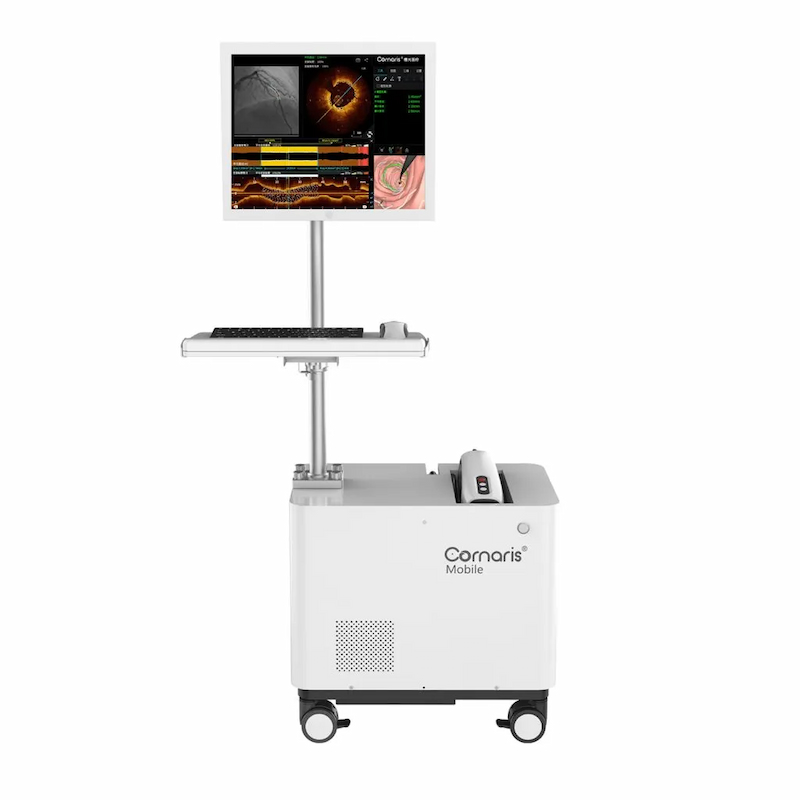
Portability and integration are important when you pick a vascular imaging system. Portable OCT imaging system can move between rooms or clinics. If your system works with cath lab equipment, it saves space and makes your work easier.
|
Feature |
Description |
|---|---|
|
Integration |
Some systems connect easily with cath lab equipment for better workflow. |
|
Portability |
Compact systems fit in small spaces and move easily between locations. |
|
Compatibility |
Support for DICOM services and standard monitors improves usability. |
You should find a system that fits your space and connects with your other devices. This helps you work faster and gives you more information during procedures.
Reliability and safety are very important when you pick an OCT Imaging System. You want a system that works every time and keeps your patients safe. User-friendly features make your job easier and help you avoid mistakes.
|
Feature |
Description |
|---|---|
|
User-Friendly Tools |
Automated image analysis and clear workflow help you get results quickly. |
|
Consistency in Metrics |
Reliable systems give you the same results every time, which helps with diagnosis. |
|
Validation |
Systems tested with many images show strong performance. |
|
Standardization |
Standard tools improve the quality of retinal and vascular imaging. |
You should try oct technology before you buy it. You can test the speed and image quality. You can also check the user interface. Many clinics ask for trials of a Multimodal OCT Imaging System. This helps them see if it fits their workflow. You can find out if the system works with your other tools. Demos let you compare how long it takes to get images. This is important if you have many patients or need quick diabetic retinopathy screenings.
You can see if the oct technology is simple to use.
You can check how fast the retinal imaging machine scans.
You can try the automatic measurement features.
You can see if the system fits in your room.
You can test how it works with other equipment.
Tip: Ask for a demo at your clinic. You can see how the OCT Imaging System works with your team and patients.
You should read reviews and ask others for feedback. People who use oct technology every day know what works well. You can find out if the Multimodal OCT Imaging System gives clear images and fits your routine.
|
What to Look For |
Why It Matters |
|---|---|
|
Image quality |
Helps you make better diagnoses |
|
Speed of acquisition |
Lets you see more patients each day |
|
Integration features |
Makes your work easier and saves time |
|
Vendor support |
Helps you solve problems quickly |
|
User interface |
Makes training and daily use simple |
You should also check if the oct technology uses AI or machine learning. These features can help you get better results and faster answers. Look for feedback about explainable AI. This helps you trust the system’s choices. You can ask other clinics about their experience with upgrades.
Try out the Multimodal OCT Imaging System before you decide. Read what other people say and look at clinical studies. Pick a system that can get better with new technology. Choose a company you can trust for your needs.
Talk to vendors and other people before you choose. Keep up with new changes in optical coherence tomography. Here are some things to look for in the future:
|
Advancement Type |
Description |
|---|---|
|
AI Integration |
AI will help doctors find problems faster and more accurately. |
|
Portable Devices |
Smaller and easy-to-carry systems will help more patients. |
|
Imaging Speed & Quality |
Faster and clearer images will help doctors find diseases sooner. |
Leave A Message
Scan to WhatsApp :


 IPv6 network supported