English
 Français
 Español
 Deutsch
 Italiano
 العربية




A projection vein finder increases your venipuncture accuracy and transforms the experience for both you and your patients. You can see a dramatic improvement in first-attempt success rates, fewer complications, and reduced pain.
-
First-attempt success rates rise to 87.1% with this technology, compared to 46.8% using traditional methods.
-
Patients report lower pain scores and shorter recovery times.
-
You encounter fewer missed attempts, less risk of complications, and a smoother process overall.
|
Feature |
Impact on Clinical Accuracy and Patient Comfort |
|---|---|
|
Improved visibility for venipuncture |
Enhances success rates in locating veins, reducing failed attempts. |
|
Reduced patient discomfort |
Minimizes stress and enhances overall patient satisfaction. |
|
First-attempt success rate |
Increased from 40.7% to 74.1% with infrared technology. |
|
Reduction in procedure time |
Average time decreased from 17 minutes to 6.6 minutes. |
|
Reduction in pain |
Pain intensity drops significantly with the use of vein finders. |
Key Takeaways
-
Using a projection vein finder can increase first-attempt success rates to over 87%, making venipuncture easier for both healthcare providers and patients.
-
This technology reduces patient pain and anxiety, leading to a more comfortable experience during procedures.
-
Proper preparation and positioning are crucial for effective use of a vein finder; always ensure the patient is comfortable and the area is clean.
-
Regular maintenance, including cleaning and calibration, is essential to keep the vein finder functioning accurately and effectively.
-
Investing in a quality vein finder can save time during procedures, reducing the average time from 17 minutes to just 6.6 minutes.
Projection Vein Finder Overview
Infrared Technology Explained
You rely on vein visualization technology to improve clinical accuracy and patient outcomes. A projection vein finder uses advanced infrared projection to map veins beneath the skin. This vein visualization device emits infrared light, which penetrates tissue and highlights veins by exploiting the way deoxyhemoglobin absorbs more infrared than surrounding tissue. The device then projects a real-time imaging map of the veins directly onto the skin, giving you enhanced visibility for venipuncture.
Tip: Real-time imaging allows you to adjust your approach instantly, reducing the risk of missed attempts and improving accuracy.
|
Principle of Vein Finder |
Description |
|---|---|
|
Reflected Light |
Light reflects from the skin, making veins visible. |
|
Transillumination |
Light passes through the skin, and veins appear as dark lines due to absorption. |
|
Infrared Light Mechanism |
Infrared penetrates tissue; veins absorb more, aiding in locating veins. |
Infrared projection stands out among vein visualization technology options because it works well on various skin tones and depths. You can use this technology to assist in blood collection, varicosity treatment, and micro-plastic surgery, ensuring precise needle placement for patients.
Device Types and Features
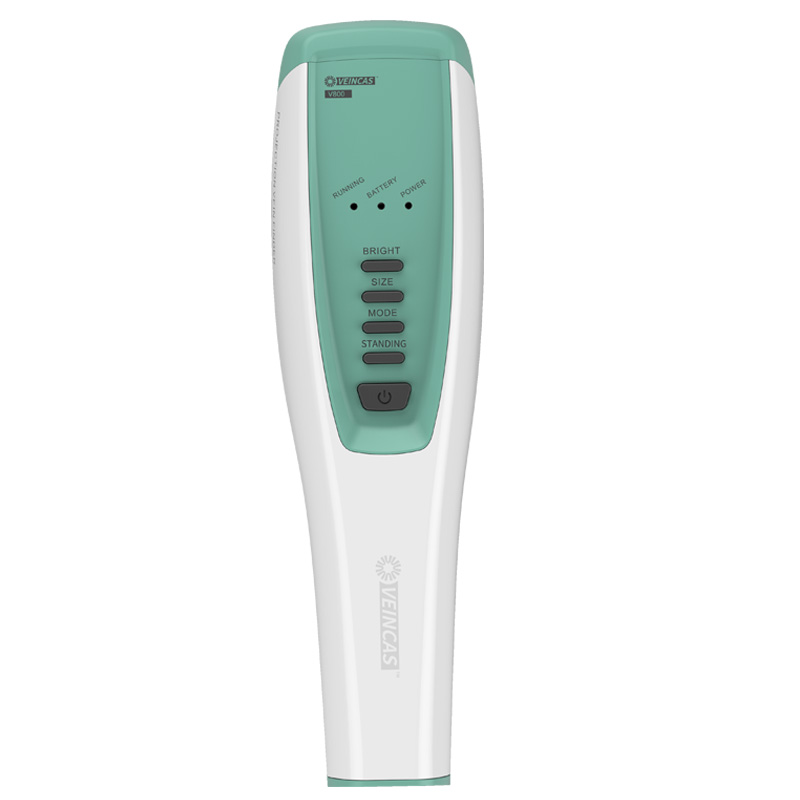
You have several options when selecting a professional vein finder. Devices like the Projection Vein Finder V800P and Nextvein V800NV use near-infrared imaging, which is especially effective for patients with deeper veins or darker skin. Some models project the vein map onto the skin, while others display it on a screen or tablet.
Key features to consider include:
-
Smart depth detection for accurate vein mapping
-
Adjustable brightness and customizable display colors
-
Special modes for thinner veins
-
Uniform light sources for consistent clarity
|
Technology Type |
Description |
|---|---|
|
Near-Infrared (NIR) |
Uses near-infrared light for high-contrast images, ideal for deep or hard-to-see veins. |
|
LED Transillumination |
Employs visible light to make veins appear as dark lines, best for superficial veins. |
A professional vein finder with real-time imaging and advanced infrared projection will help you achieve higher accuracy and better clinical outcomes. You can confidently use these devices to enhance visibility and improve the experience for both you and your patients.
How to Use a Vein Finder for Venipuncture
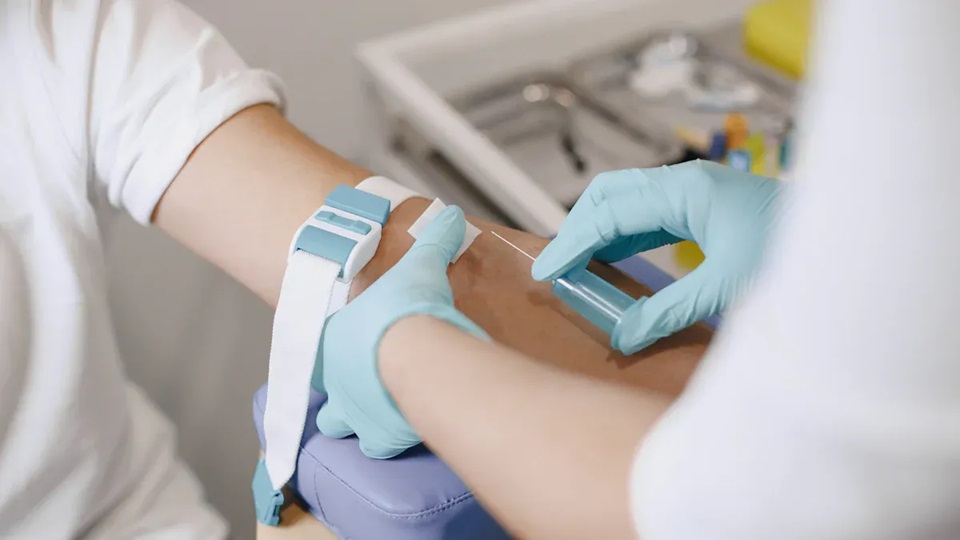
Preparation and Positioning
You must start every venipuncture procedure with careful preparation. This step ensures clinical accuracy and patient safety. Follow these steps for proper vein finder use:
-
Verify your patient's identity by asking for their full name and date of birth.
-
Wash your hands thoroughly with soap and water or use an alcohol-based hand sanitizer.
-
Apply a tourniquet and ask your patient to clench their fist. This action helps you evaluate the anterior elbow space for locating veins.
-
Select the most suitable vein. Loosen the tourniquet and instruct your patient to relax their fist.
-
Put on clean gloves and prepare all necessary equipment. Scrub the skin with alcohol and allow it to dry completely.
-
Reapply the tourniquet and have your patient make a fist again. Uncap the needle, making sure the cleaned site remains uncontaminated.
Position your professional vein finder about 20 to 30 centimeters above the skin. Adjust the focus until you see a clear real-time map of veins. Remove any obstructions, such as jewelry or clothing, from the area. Stabilize the limb to prevent movement during the procedure. Always ensure your patient's comfort to improve cooperation and first-attempt success.
Tip: You do not need formal training to operate a projection vein finder. Most devices are intuitive and designed for immediate use by healthcare professionals. A brief orientation may help you achieve consistency in clinical outcomes.
Visualizing Veins Accurately
You rely on vein visualization technology to achieve improved visibility and accuracy. A professional vein finder uses infrared projection to highlight subcutaneous veins, even in patients with difficult access. For optimal results, select a device with the following specifications:
|
Feature |
Specification |
|---|---|
|
Infrared wavelength |
Minimum 850 nm |
|
Vein size visibility |
≥ 1 mm |
|
Accuracy |
0.25 mm |
|
Image frame rate |
More than 20 frames per second |
|
Weight |
Not exceeding 500 g |
|
Brightness adjustment |
Yes, for different lighting conditions |
|
Real-time image processing |
Yes |
You can use a handheld vein finder or a portable vein finder for flexibility in various clinical settings. Adjust the brightness to match the room lighting and reduce glare. Calibrate your vein visualization device regularly to maintain accuracy. Clean the device before each use to ensure clear images. These steps help you achieve first-attempt success and enhance clinical accuracy.
Note: Real-time imaging allows you to adjust your approach instantly. This feature reduces missed attempts and improves patient satisfaction.
Performing Accurate Venipuncture
You must follow best practices to perform accurate venipuncture and maximize outcomes. Use the following table as a quick reference for each step:
|
Step |
Best Practice Description |
|---|---|
|
1 |
Explain the procedure to your patient to reduce anxiety and encourage cooperation. |
|
2 |
Select the appropriate professional vein finder based on your patient's characteristics. |
|
3 |
Follow the manufacturer's guidelines for device setup, adjusting settings as needed. |
|
4 |
Maintain proper hand hygiene and wear gloves to ensure a sterile environment. |
|
5 |
Position your patient's arm comfortably and apply a tourniquet if necessary. |
|
6 |
Use the vein visualization device to confirm vein location before inserting the needle. |
|
7 |
Insert the needle at the recommended angle, using the device's features for guidance. |
|
8 |
Collect the sample or administer treatment, ensuring patient comfort throughout. |
|
9 |
Label samples immediately and dispose of sharps safely. |
You can further improve accuracy by adjusting room lighting and ensuring your patient feels at ease. Always maintain your professional vein finder for consistent performance. Devices with advanced infrared projection and real-time imaging support first-attempt success, reduce complications, and enhance safety for both you and your patients.
Practical Tip: You can use vein visualization technology for a wide range of patients, including those with deep or hard-to-find veins. This approach increases clinical accuracy and supports better outcomes.
Benefits of Accurate Venipuncture with a Projection Vein Finder
Improved Accuracy and Fewer Failed Attempts
You achieve higher accuracy in venipuncture when you use a projection vein finder. This technology gives you improved visibility of veins, which leads to more accurate venipuncture and better clinical accuracy. You see a real-time map of veins, allowing you to target the best site for needle insertion. With a professional vein finder, you can rely on infrared projection to highlight veins, even in challenging cases.
-
Transillumination and infrared devices increase success rates, especially in pediatric patients.
-
One study found that 39 out of 40 children aged 2–3 years had successful venous access on the first attempt.
-
You reduce failed attempts and improve outcomes for your patients.
A professional vein finder with advanced vein visualization device features supports first-attempt success. You can expect clinical accuracy to rise, and you will see fewer complications. The table below shows how much time you save per procedure:
|
Method |
Mean Time per IV (minutes) |
|---|---|
|
VeinViewer Assisted |
6.6 |
|
Traditional |
17.06 |
You also benefit from a portable vein finder, which allows you to maintain accuracy in different clinical settings.
Enhanced Patient Comfort and Safety
You improve patient comfort and safety with accurate venipuncture. A professional vein finder reduces pain and anxiety for your patients. Babies experience less pain, sleep longer, and cry less when you use vein visualization technology. First-attempt success rates rise to 87.1% or higher, compared to only 46.8% with traditional methods.
Doctors and nurses see fewer problems and happier patients with vein viewers. You help people heal faster and feel safer.
You lower the risk of complications such as bruises, nerve injuries, phlebitis, and thrombosis. You also shorten procedure times, which means less stress for your patients and better outcomes. Infrared technology and real-time imaging support accurate venipuncture and clinical accuracy, making every procedure safer and more efficient.
Choosing and Maintaining a Vein Finder
Selection Tips for Clinical Needs
You need to select a professional vein finder that matches your clinical environment and patient population. Start by evaluating clinical validation. Devices with published sensitivity and specificity data across diverse skin tones deliver more reliable results. Depth range and resolution matter, especially for pediatric or geriatric patients. Look for models that detect veins 0.5–1.2 cm deep with a lateral resolution of 1.5 mm or less. Real-time latency should stay under 120 ms, so you avoid misalignment during procedures. Environmental adaptability is essential. Devices with adaptive gain control and anti-glare filters maintain visibility in bright rooms.
|
Criteria |
Description |
|---|---|
|
Clinical validation |
Published data ensures accuracy across skin tones. |
|
Depth range and resolution |
Detects veins 0.5–1.2 cm deep, ≤1.5 mm resolution. |
|
Real-time latency |
Under 120 ms for smooth, accurate projection. |
|
Environmental adaptability |
Performs well in bright conditions with anti-glare features. |
|
Repeatability and user consistency |
Intuitive design reduces variability among users. |
For pediatric or geriatric care, prioritize features like anti-hair interference and visualizing vein depth. These features help you achieve first-attempt success, even in challenging cases. Devices that indicate vein depth with color combinations support accurate venipuncture and improve clinical accuracy. Choose a vein visualization device that works well across all skin tones and offers versatility for different departments. Consider a portable vein finder for flexibility in various settings.
|
Feature |
Description |
|---|---|
|
Anti-Hair Interference |
Removes hair artifacts, improving visibility. |
|
Visualizing Vein Depth |
Indicates depth with color, aiding catheterization. |
|
Versatility Across Departments |
Effective for pediatrics and geriatrics, minimizing discomfort. |
Manufacturers often provide a 30-day money-back guarantee and responsive customer support. You benefit from installation guidance and troubleshooting assistance, which ensures you maintain first-attempt success and positive outcomes.
Maintenance for Optimal Performance
You must maintain your professional vein finder to ensure consistent first-attempt success and optimal clinical outcomes. Follow these best practices:
-
Cover all device surfaces with a replaceable sheet and change it after each patient.
-
Clean the device with alcohol wipes or chlorhexidine-based detergent between uses.
-
Use alcohol gel and disinfecting wipes, and wash your hands properly before and after procedures.
-
Perform routine cleaning and calibration monthly to keep the infrared projection accurate.
-
Update firmware annually to access the latest features and improvements.
|
Maintenance Practice |
Frequency |
|---|---|
|
Routine cleaning |
Monthly |
|
Calibration |
Monthly |
|
Firmware updates |
Annually |
Regular calibration and cleaning remove dust and debris, ensuring your device projects veins clearly. These steps help you maintain the performance of your professional vein finder and support first-attempt success for all patients. Reliable maintenance leads to better clinical outcomes and safer procedures.
You can transform venipuncture by adopting projection vein finders, which consistently improve accuracy and efficiency for both you and your patients. Studies show these devices increase first-attempt success rates, reduce pain, and shorten procedure times, leading to better outcomes. You address barriers like device cost and training by leveraging new technologies and market trends.
|
Actionable Takeaway |
Description |
|---|---|
|
Embrace innovation |
AI and hybrid imaging will further enhance outcomes for patients and support superior clinical outcomes. |
|
Prioritize training |
Consistent use and skill development maximize benefits for your patients. |
-
Future advancements will include predictive AI, hybrid imaging, and wearable aids, ensuring even greater success in vascular access.
FAQ
How does a projection vein finder improve first-attempt success rates?
You see veins clearly with real-time imaging. This technology helps you select the best site for needle insertion. You reduce missed attempts and improve patient outcomes.
Can you use a projection vein finder on all skin tones?
You can use most projection vein finders on all skin tones. Infrared technology works well for both light and dark skin, ensuring accurate vein visualization.
Do you need special training to operate a vein finder?
Most devices require minimal training. You can start using them after a brief orientation. Always follow the manufacturer’s instructions for best results.
How do you clean and maintain a projection vein finder?
-
Wipe the device with alcohol or disinfectant after each use.
-
Calibrate monthly.
-
Update firmware annually.
-
Store in a clean, dry place.
Is a projection vein finder safe for pediatric and elderly patients?
You can safely use projection vein finders for all age groups. Devices help you locate veins quickly, reducing pain and anxiety for children and older adults.

 IPv6 network supported