English
 Français
 Español
 Deutsch
 Italiano
 العربية



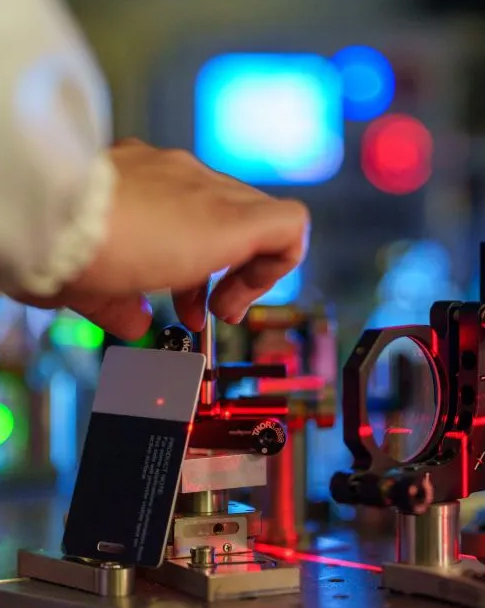

Imagine you are at your doctor’s office, wanting quick answers. With the oct imaging system, you get results faster. There is no pain or risk for you. This technology lets your doctor see inside your body right away. You get more accurate diagnoses and wait less time. You and your doctor both have a smoother and safer process.
Key Takeaways
-
OCT imaging gives fast and correct results. This helps doctors find problems sooner. It also makes patients wait less time.
-
This non-invasive technology means no painful procedures like biopsies. It makes medical tests safer and more comfortable for patients.
-
OCT gives clear images. These help doctors find diseases early. This improves treatment and patient care.
-
The system lets doctors watch health conditions in real time. They can see changes over time and change treatments if needed.
-
OCT is used in many medical fields. It is used in eye care and heart imaging. This helps doctors manage patient health better.
OCT Imaging System Overview
How OCT Works
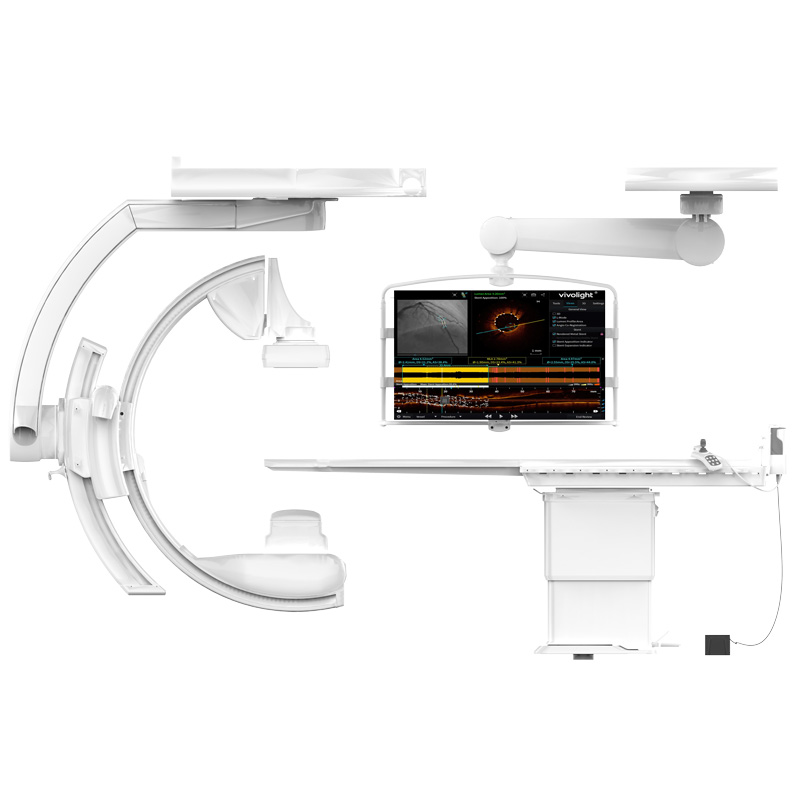
You might wonder how the oct imaging system helps your doctor see inside your body so well. Optical coherence tomography uses light, not sound or magnets. This way, you get clear pictures of your tissues without touching or hurting you. The system shines a beam of light with many wavelengths. It splits the light in two directions. One part goes to a mirror, and the other goes into your tissue. When the light comes back, the system checks how long it took. Then, it makes a 3D picture of what is inside you.
-
The oct imaging system uses low-coherence interferometry to look under the surface.
-
It uses a wavelength-swept laser source to catch interference signals.
-
The system builds images with advanced signal processing, like inverse Fourier transformation.
-
You get very clear images, sometimes just a few micrometers wide, so your doctor can see tiny things.
-
The system can look a few millimeters deep, which helps in many medical areas.
Ultrasound uses sound waves, but optical coherence tomography looks at how light scatters in your tissues. This lets the system show things that other imaging tools might not see.
Simplifying Diagnosis with OCT
You get help from oct because it makes finding problems easier and faster. The system does not need any surgery, so you do not feel pain or have risks. Your doctor can see real-time pictures of your tissues, which helps find problems early. The clear images show small details, so it is easier to spot diseases when they first start.
-
You do not need a biopsy for many problems because oct is non-invasive.
-
The system gives results right away, so you do not wait long.
-
Doctors use these clear pictures to make better choices for your care.
-
Fast and better images help your doctor check changes over time.
With oct imaging system, your tests go smoother. Your doctor gets answers fast, and you feel more at ease during your visit.
Key Advantages of Optical Coherence Tomography
Non-Invasive Imaging
You do not have to worry about pain or needles with optical coherence tomography. This technology lets your doctor look inside your body without cutting or touching you. You stay comfortable during the scan. This method is safer than many other imaging tools. Look at the table below:
|
Imaging Modality |
Complication Rate |
Major Adverse Events |
Contrast-Induced Nephropathy |
|---|---|---|---|
|
OCT |
0.6% |
0% |
1.4% |
|
IVUS |
0.5% |
0% |
1.5% |
The oct imaging system keeps risks very low. You get a safer test, and your doctor can focus on helping you instead of worrying about problems.
Real-Time, High-Resolution Results
You get answers quickly with oct. The system makes images right away, so your doctor does not wait for results. This speed helps you get a diagnosis fast. The images are very clear, so your doctor can see tiny things in your tissue. Here are some facts about how clear the images are:
-
Standard systems can see details as small as 8 to 10 micrometers.
-
Newer systems can see as small as 5 to 8 micrometers.
-
Ultrahigh resolution systems can see 2 to 3 micrometers.
-
Better resolution helps your doctor find diseases sooner and more accurately.
A study found that oct finds more eye problems than regular fundus photography. You get better checks and fewer missed issues.
|
Imaging Technology |
Speed Advantage |
|---|---|
|
Fourier-domain OCT (FD-OCT) |
At least 10 times faster than time-domain systems without losing image quality. |
|
Time-domain OCT |
Slower because it uses mechanical scanning. |
You spend less time waiting and get more exact results.
Virtual Optical Biopsy
You do not always need a regular biopsy to check your tissue. OCT works like a virtual optical biopsy. Your doctor can look at your tissue closely without taking a piece out. Studies show this method can make images that look like real tissue slides. Doctors use these images to find diseases like basal cell carcinoma very well. The system matches images to real tissue, which helps your doctor make better choices.
A recent review shows that oct can find tumors in many organs. This method gives you quick answers and sometimes works better than regular biopsies. You get results faster and avoid surgery risks.
|
Evidence Description |
Findings |
|---|---|
|
Noninvasive virtual biopsy using micro-registered OCT |
Showed that OCT can make realistic virtual H&E sections, which helps in diagnosis. |
|
High sensitivity and specificity for diagnosing BCC |
Studies show that OCT can find some skin diseases, like basal cell carcinoma, with good training. |
|
Precision in image registration |
Matching OCT images to H&E images is important for good virtual histology, which helps doctors diagnose better. |
Early Detection and Monitoring
You want your doctor to find problems early. OCT helps with this. The system lets your doctor watch changes in your tissue over time. Home and remote scans work almost as well as office scans. Artificial intelligence makes these scans even better. Here are some important points:
-
Home OCT scans match office scans 96% of the time for finding fluid.
-
Remote checks have high sensitivity and specificity.
-
AI helps find diseases and helps your doctor see tumor edges.
OCT has changed how doctors treat eye problems. You get non-invasive checks, so your doctor can watch your health without extra steps. More people use this technology now. For example, the number of OCT-guided procedures went up by over 500% in recent years. This growth means better results for patients and fewer unneeded treatments.
|
Evidence Type |
Description |
|---|---|
|
Reduction in Unnecessary Procedures |
OCT-guided plans may stop unneeded procedures, which helps patients. |
|
Increased Interventions |
OCT findings led to more treatments in 32% of patients. |
|
Improved Clinical Outcomes |
No sudden blood clots were found at 1 month, even though 37% of patients had acute coronary syndrome (ACS). |
You get early detection, safer checks, and better long-term care.
OCT in Medical Diagnostics
Eye Care Applications
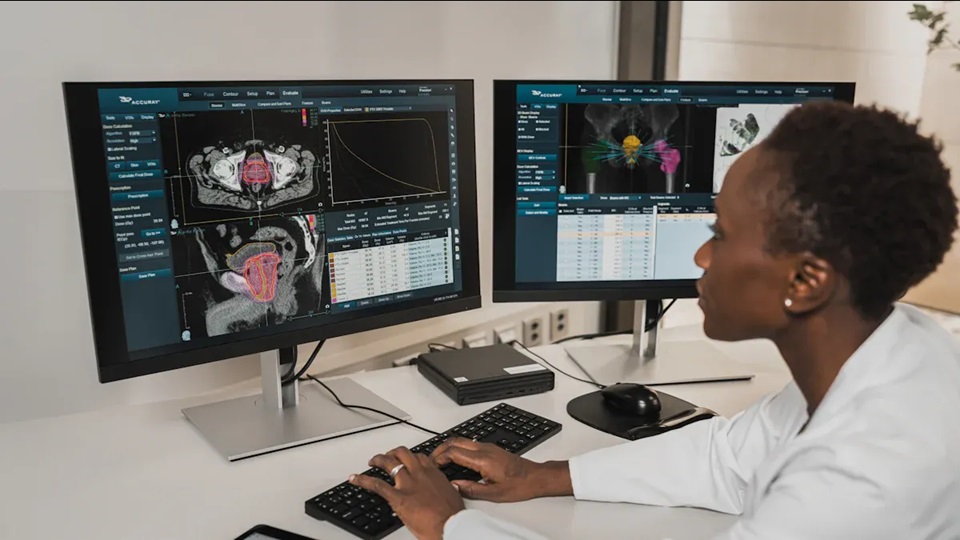
OCT is used most in eye care. Doctors use it every day to check your eyes for problems. This test gives a clear look at your retina and optic nerve. It helps find eye diseases early, like age-related macular degeneration, diabetic retinopathy, and glaucoma. OCT lets your doctor see swelling, fluid, or small changes before you lose vision.
OCT lets doctors see deep inside the retina and optic nerve head. They can measure swelling and changes in structure. It is very important for patients who get VEGF antagonist treatment for neovascular eye diseases. Doctors use it as the main way to watch these patients.
Regular scans help your doctor watch for changes over time. This means you get the right care when you need it. OCT is now a common tool for checking and watching serious eye problems.
|
Disease |
Role of OCT |
|---|---|
|
Age-Related Macular Degeneration |
Finds early signs like drusen and fluid build-up |
|
Diabetic Retinopathy |
Shows swelling and leaking fluid in the retina |
|
Glaucoma |
Checks nerve fiber layer thickness for early warning |
Cardiovascular Imaging
OCT is also used to help your heart. Doctors use it to look inside your blood vessels. It shows clear pictures of plaque and vessel walls. This makes the procedure safer because doctors see where to put a stent. OCT helps doctors know if a plaque is safe or could cause trouble soon.
|
Evidence Type |
Description |
|---|---|
|
Plaque Morphology Visualization |
OCT gives clear cross-sections of plaque in blood vessels |
|
Differentiation of Plaque Stability |
Helps doctors tell if plaques are safe or risky |
|
Procedural Guidance |
Helps guide stent placement and lowers problems |
You get better care because doctors make choices based on what they see right away. OCT helps doctors check your risk and follow your heart health over time.
Other Medical Fields
OCT is now used in many new areas. Skin doctors use it to check for skin disease and see if treatments work. In gastroenterology, doctors use it to find tissue changes, like colon polyps or early cancer signs. Brain doctors use OCT to look for early brain disease by scanning the retina.
-
OCT is now used in heart, skin, and stomach care.
-
New updates make scans faster and let doctors see deeper.
-
These changes help more doctors use OCT to give better care.
In brain scans, visible-light OCT can show deep parts and even spot amyloid plaques linked to Alzheimer’s disease. You benefit because doctors can find problems sooner and treat them better.
Impact on Patient Outcomes
Faster, Safer Diagnoses
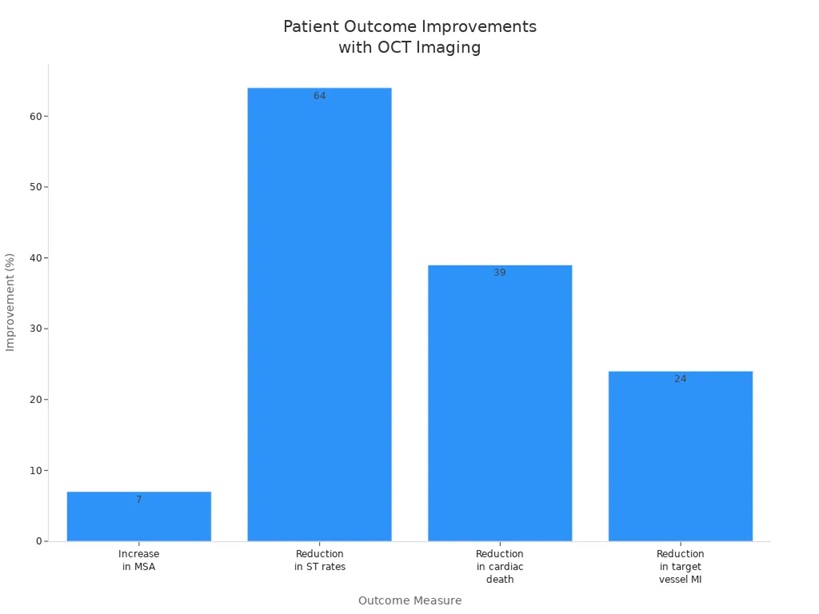
You want quick answers at the doctor’s office. OCT gives you fast and safe results. Doctors can see problems in your tissue right away. Studies show OCT systems are very sensitive and accurate. Some studies say sensitivity is up to 99%. Specificity can be as high as 98%. This means you get the right diagnosis sooner. You do not need extra tests. The table below shows how OCT helps health outcomes:
|
Outcome Measure |
Improvement (%) |
Statistical Significance |
|---|---|---|
|
Increase in MSA with OCT vs. Angiography |
7% |
Statistically significant |
|
Reduction in ST rates with OCT |
64% |
Statistically significant |
|
Reduction in cardiac death with OCT |
39% |
Statistically significant |
|
Reduction in target vessel MI with OCT |
24% |
Statistically significant |
Enhanced Patient Experience
OCT scans do not hurt and do not use needles. You feel more comfortable during the test. Doctors say OCT gives clearer images than older ways. This helps them find small changes that might be missed. You wait less and get care faster. In Europe, doctors use OCT to help choose treatments for eye diseases. Many doctors agree OCT matches other trusted tests. OCT has less risk and is more comfortable for you.
Tip: Ask your doctor if OCT is good for your next check-up. Many patients like it because it is quick and gentle.
Better Disease Management
You want your doctor to watch your health over time. OCT helps doctors see changes and catch problems early. Digital tools and home scans help you get care even when you are not at the clinic. Doctors use your scans to make plans just for you. Early detection and better monitoring help you stay healthy longer. The table below shows how new tools help manage diseases:
|
Evidence Description |
Outcome |
|---|---|
|
Digital twins in eye care |
Better disease management and lower costs |
|
Patient-specific data from oct |
Improved tracking of disease progression |
|
Deep learning with oct images |
Early detection and better long-term health |
|
Home oct telemedicine |
Timely care for chronic diseases |
You have fewer hospital visits and better control of your health. Doctors can see changes in your eyes or heart before they get serious. This leads to better results and a healthier future.
You can see how portable OCT imaging systems help doctors diagnose you. These tools give results that are fast, safe, and easy to understand. Studies say OCT works well for finding coronary artery disease. Experts believe new ways will make results even better soon. You get help from new technology and tests that are not hard.
-
The OCT system market is getting bigger quickly.
-
Handheld tools and AI make scans simpler for you.
-
Non-invasive ways let more people get checked early.
You will get clearer images and quicker answers as OCT keeps getting better.
FAQ
What does an OCT scan feel like?
You do not feel pain during an OCT scan. The machine shines light on your skin or eye. You sit still for a few seconds. The scan finishes quickly. You stay comfortable the whole time.
Is OCT safe for children and older adults?
OCT uses light, not radiation. You stay safe during the scan. Doctors use OCT for patients of all ages. Children and older adults can get OCT scans without worry.
How long does it take to get results from an OCT scan?
You get results almost right away. The doctor sees images on a screen during your visit. You do not wait days for answers. Fast results help you get care sooner.
Can OCT find problems before symptoms start?
OCT shows tiny changes in your tissue. You can catch diseases early, even before you feel sick. Doctors use OCT to watch for signs of eye, heart, or skin problems.

 IPv6 network supported