 English
 Français
 Español
 Deutsch
 Italiano
 العربية



Tel :+86-755-86961139
Email :sales@vivo-light.com

You know that starting an iv in children often brings stress and discomfort. Many kids face difficult intravenous access, especially when veins are not visible or easy to feel. Multiple iv attempts can increase pain and make both you and your child anxious. With a vein finder using advanced infrared visualization, you can locate veins quickly and accurately. This technology helps reduce iv pain, boosts first-attempt success, and creates a safer, more reassuring experience for your family and your healthcare team.
Vein finders reduce pain by increasing the first-attempt success rate for IVs, leading to fewer needle sticks for children.
Using vein finders lowers anxiety levels in kids during IV procedures, making the experience faster and more predictable.
Vein finder technology improves the accuracy of locating veins, especially in children with difficult intravenous access.
Faster IV placement with vein finders means less stress for children and a lower chance of needing anesthesia.
Families report a more positive experience with vein finders, leading to higher satisfaction and trust in healthcare providers.
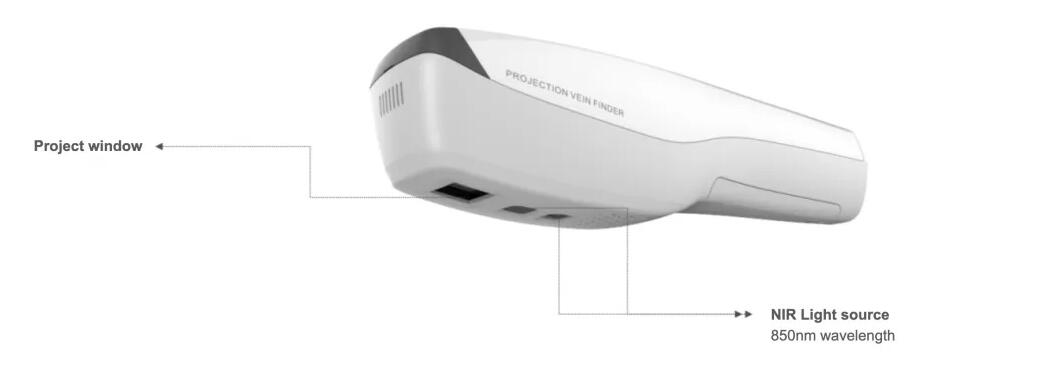
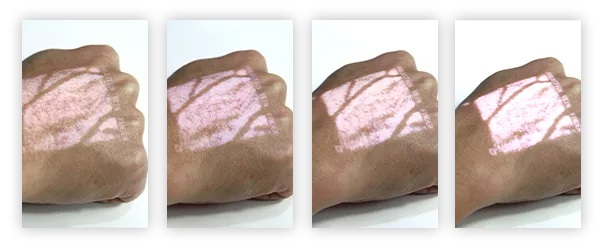
You want your child’s iv experience to be as painless as possible. Vein finder devices, especially those using infrared vein visualization, make this goal achievable. When you use a vein finder, you see a clear map of veins projected onto the skin. This visualization helps you or your healthcare provider find the best site for cannulation on the first try.
Vein finder technology increases the first attempt success rate for iv cannulation by up to 100%.
You reduce the number of needle sticks, which means less pain and trauma for your child.
Infrared visualization allows you to see veins up to 10 mm deep, giving more options for intravenous access in children with difficult intravenous access.
The Vivolight Projection Vein Finder stands out by offering an 87.1% first attempt success rate and a 77.5% reduction in failed attempts compared to traditional methods.
Using vein finder devices means you spend less time searching for veins and more time providing comfort.
Clinical studies support these benefits. For example:
|
Study |
Age Group |
Findings |
Pain Reduction |
Success Rate |
Time to Place IV |
|---|---|---|---|---|---|
|
Inal et al. |
0-3 years |
Fewer attempts and shorter duration |
Lower pain intensity (P<0.05) |
74.1% (study) vs. 40.7% (control) |
N/A |
|
Chapman et al. |
0-2 years |
Reduced time to place iv line |
Lower nurses' perception of pain (P=0.01) |
N/A |
167s (control) vs. 121s (VeinViewer) (P=0.047) |
Children often feel anxious about iv procedures. Visualization with vein finder devices helps lower anxiety by making the process faster and more predictable. When you use infrared technology, your child sees fewer failed attempts and feels more at ease.
|
Finding |
Description |
|---|---|
|
Pain Reduction |
The IVR intervention significantly reduced self-reported pain during venipuncture. |
|
Anxiety Reduction |
Self-reported anxiety levels were substantially lower in the IVR group compared to standard care. |
|
Staff Satisfaction |
Higher satisfaction levels were reported among staff in the IVR group. |
|
Physiological Response |
The IVR group showed a smaller increase in heart rate and a greater reduction in salivary cortisol post-procedure. |
Caregivers also notice the difference. Many report a significant reduction in their children’s anxiety when vein finder devices are used for iv cannulation. The standardized mean difference for needle-related anxiety is -0.47, which shows a strong improvement.
You can trust vein finder technology to minimize pain levels in pediatric patients, reduce the need for anesthesia, and make iv cannulation a less stressful experience for everyone involved.
You want every iv procedure for your child to succeed on the first try. Real-time visualization makes this possible. When you use pediatric vein finder, you see veins projected clearly on the skin. This technology helps you and your healthcare provider target the right spot for cannulation. Infrared vein visualization stands out because it highlights even small or hidden veins, which are common in children.
Children often have difficult intravenous access. Factors like obesity, dehydration, or anxiety can make veins hard to find. Vein finder devices use advanced visualization to overcome these challenges. You get a higher first attempt success rate, which means fewer needle sticks and less trauma. In one study, the first stick success rate jumped from 47.7% to 91.7% with visualization. For children with difficult intravenous access, the improvement was even greater.
|
Metric |
Control Group |
Study Group |
Improvement |
|---|---|---|---|
|
Number of Attempts |
2.23 ± 1.57 |
1.08 ± 0.28 |
52% |
|
Duration (seconds) |
172.65 ± 153.21 |
32.24 ± 20.07 |
81% |
|
First Stick Success – Overall |
47.7% |
91.7% |
48% |
|
First Stick Success – DVA |
14.3% |
85.7% |
83% |
You can see how visualization transforms the success rate of iv cannulation. Vein finder devices also help you avoid escalation to more invasive procedures or anesthesia.
Speed matters during iv cannulation, especially in emergencies. Visualization with vein finder devices reduces the time needed to achieve intravenous access. You no longer wait while a nurse searches for a vein. Instead, the vein appears instantly with infrared technology, and cannulation begins right away.
A study showed that the average time to place an iv dropped from 167 seconds to 121 seconds when using vein finder devices. This time savings means less stress for your child and a lower chance of needing anesthesia. In emergency situations, faster cannulation can improve outcomes and reduce complications.
Visualization not only improves the first attempt success rate but also streamlines the entire process, making iv cannulation safer and more efficient for children.
You benefit from vein finder devices because they increase accuracy, speed, and safety. They also standardize the process, so every provider can deliver reliable results. With visualization, you help your child avoid unnecessary pain and anesthesia, and you support better outcomes for everyone involved.
You want every iv procedure for your child to be as safe as possible. Vein finder devices play a key role in reducing complications during cannulation. Children often have tortuous veins or dense subcutaneous fat, which makes intravenous access in children challenging. Multiple failed attempts at cannulation can increase the risk of issues like infiltration, phlebitis, or even thrombosis. Visualization with infrared technology allows you to see veins clearly, even in cases of difficult intravenous access. This reduces the number of needle sticks and helps you avoid complications that can delay treatment or require more invasive procedures.
Common complications during iv cannulation include:
Phlebitis, which causes pain and swelling.
Thrombosis, or blood clots that block the vein.
Catheter dislocation, which affects the effectiveness of the iv.
Bleeding at the insertion site.
Infiltration, where fluid leaks into surrounding tissue.
Visualization helps you minimize these risks. Vein finder devices improve the first attempt success rate, so you need fewer punctures. This lowers the chance of infection and reduces the need for anesthesia or central lines. Hospitals that use vascular access teams and standardized protocols with vein finder devices see higher success rates and fewer complications. You can trust that safety iv catheters and vein visualization work together to protect your child.
A positive iv experience matters for both you and your child. Visualization with vein finder devices makes cannulation faster and less painful. Children respond better when they see fewer needle sticks and feel less discomfort. The infrared light from these devices can even serve as a pleasant distraction, helping your child relax during peripheral venous cannulation.
Parents often describe repeated iv attempts as stressful and disappointing. Visualization technology changes this by improving the first attempt success rate and reducing delays. You see your child experience less pain and anxiety, and you gain confidence in the care team. The success rate of iv cannulation increases, and the need for pediatric anesthesia decreases. Families report higher satisfaction and trust when vein finder devices are used.
|
Benefit |
Description |
|---|---|
|
Less Pain |
Children feel less pain and anxiety during cannulation. |
|
Fewer Needle Sticks |
Visualization reduces the number of punctures needed. |
|
Improved Behavioral Response |
Kids show better reactions and less distress. |
|
Higher Satisfaction |
Parents feel more confident and reassured. |
You help create a safer, more comfortable environment for your child by choosing vein finder devices for iv cannulation. Visualization supports both clinical safety and emotional well-being, making every step of the process smoother for families and healthcare providers.
You now see why vein finders are a must for children’s IVs in 2026. These devices minimize pain, increase first-attempt success, and enhance safety for your child. Studies show that pediatric veins are smaller and harder to access, but vein visualization technology addresses these challenges:
|
Key Benefit |
Impact on Pediatric IVs |
|---|---|
|
Less Pain |
Fewer needle sticks and less anxiety |
|
Higher Success Rate |
Faster, more accurate IV placement |
|
Safer Procedures |
Fewer complications and better outcomes |
Healthcare professionals and parents both report calmer, more positive experiences. As technology advances, you can expect even greater comfort and success for your child’s IV care. Advocate for vein finders in your healthcare setting to ensure the best possible experience.
A vein finder uses infrared light to highlight veins under the skin. You see a real-time image projected onto your child’s arm. This helps you and your healthcare provider locate veins quickly and accurately.
Yes, vein finders use non-invasive infrared technology. You do not need to worry about radiation or pain. The device only projects light and does not touch the skin.
Absolutely! You can use a vein finder to locate small or deep veins that are difficult to see or feel. This is especially helpful for children with difficult intravenous access.
Yes. You can expect fewer needle sticks and less pain when using a vein finder. This often means your child will not need anesthesia for IV placement.
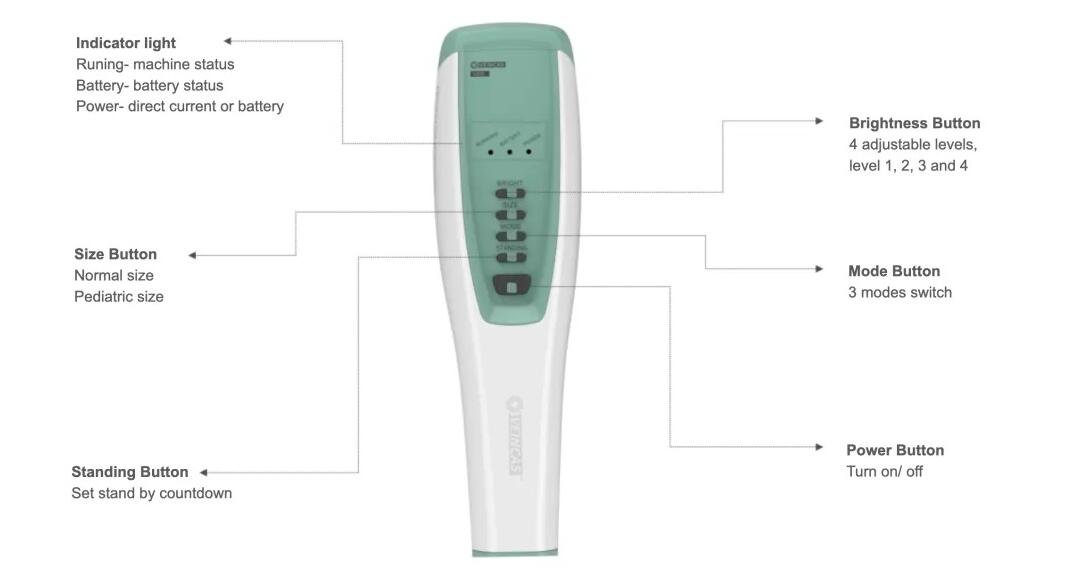
You can choose the Vivolight Projection Vein Finder V800F or V800P. Both models offer clear vein visualization, adjustable brightness, and portability. These features make them ideal for children’s IV procedures.
Leave A Message
Scan to WhatsApp :


 IPv6 network supported