 English
 Français
 Español
 Deutsch
 Italiano
 العربية



Tel :+86-755-86961139
Email :sales@vivo-light.com

You see nurses choose a projection vein finder for pediatric patients because it improves clinical accuracy, increases comfort, and raises venipuncture success rates. Children often experience anxiety during blood draws, and reducing failed attempts matters. Clinical studies show near-infrared projection devices help in selected cases, although they do not always improve first-attempt success rates.
|
Study Type |
Technique Used |
Sample Size |
Success Rate |
Findings |
|---|---|---|---|---|
|
Randomized controlled trial |
Near-Infrared Projection |
123 |
72% (near-infrared) vs. 79% (standard) |
No significant improvement in overall success, useful in selected cases |
|
Systematic review |
Near-Infrared Projection |
— |
No significant effect |
It does not significantly reduce first-attempt failure rates |
Vivolight’s advanced finder continues to transform pediatric care, making procedures smoother for both nurses and young patients.
You face unique challenges when performing venipuncture on children. Pediatric patients have smaller veins than adults, and their veins often hide beneath a thick layer of subcutaneous fat. This makes it hard for you to see or feel the vein, especially in infants and toddlers. Veins in children are not well defined until puberty, so you may struggle to locate a suitable vein for blood draws or IV insertion.
You also deal with emotional challenges. Children often feel scared, and their parents may feel anxious. Parental anxiety can transfer to the child, making the procedure even more stressful. You must balance the need for a successful venipuncture with the child’s comfort and dignity. Sometimes, you face ethical dilemmas, such as deciding how many attempts are appropriate or whether to restrain a child for safety.
Common challenges you encounter include:
Managing the anxiety of both the child and their parents.
Dealing with ethical concerns about repeated attempts.
Communicating in an age-appropriate way to reduce fear.
Using distractions like videos or games to help children relax.
You may find that a pediatric vein finder, a phlebotomy vein light, or a medical vein finder light can help you overcome these obstacles. These devices use advanced vein visualization system technology to make the process easier and less stressful for everyone involved.
Traditional methods for finding a vein, such as palpation and visual inspection, often fall short in pediatric care. You may experience high failure rates, especially with difficult veins. Multiple failed attempts can increase anxiety for both the child and their parents.
|
Limitation |
Impact |
|---|---|
|
High failure rates |
Increased anxiety and distress among patients and parents due to multiple attempts required |
|
Difficulty visualizing small veins |
Challenges in performing PIVC insertion, especially in poorly cooperating pediatric patients |
|
Increased procedure costs |
Wastage of cannulas and complications such as infiltration, occlusion, and leakage |
You may spend extra time searching for a vein, which can delay treatment and add to the child’s discomfort. A professional vein finder or a modern vein finder can improve your success rate and reduce the number of failed attempts. By using a reliable vein finder, you can make venipuncture more efficient and less traumatic for your young patients.
You encounter many challenges when searching for veins in pediatric patients. Vein visualization technology has changed the way you approach these procedures. The projection vein finder uses near-infrared light to enhance vein visibility, making it easier for you to locate veins beneath the skin. Hemoglobin in veins absorbs more infrared light than surrounding tissue, which creates a clear contrast and makes veins appear darker. This process improves vein detection and helps you avoid multiple needle sticks.
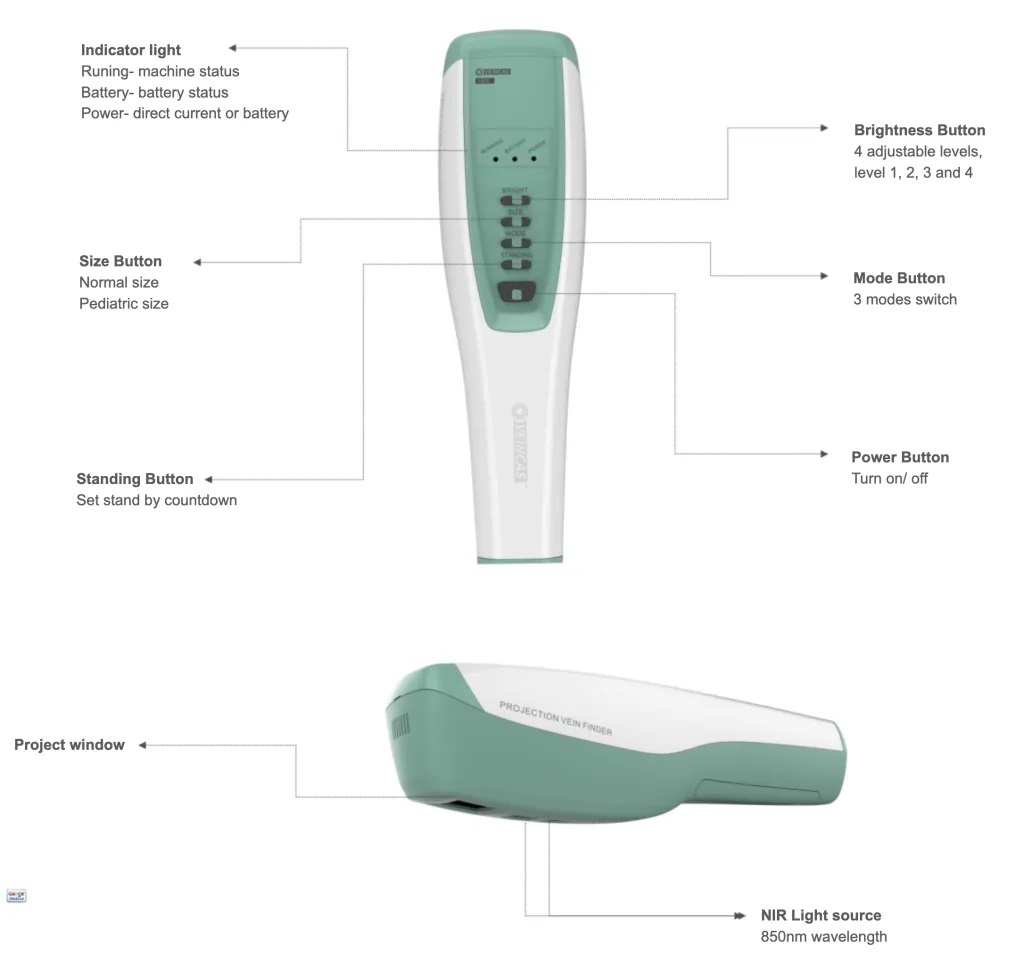
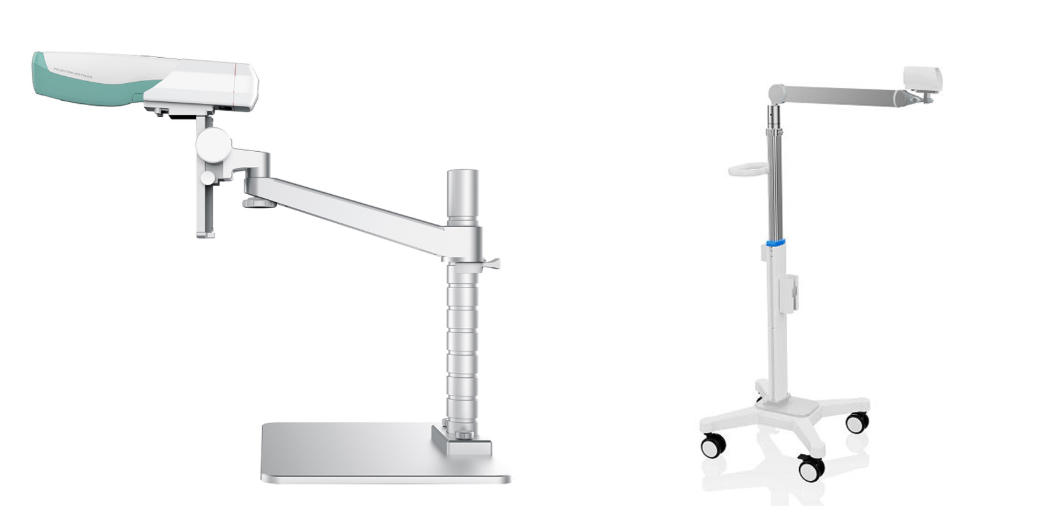
Devices like the Vivolight projection vein finder, including the V800F and V800P models, offer advanced vein imaging and real-time visualization. The V800F model features four brightness settings, a green light mode for improved visibility on darker skin tones, and a pediatric mode that protects the patient’s eyes. You can store vein-map images for further inspection, which supports clinical accuracy and documentation. The V800P model provides smart depth detection, clear fine mode for thin veins, and color adaptability for different skin tones. You can use these features to optimize vein detection in various clinical environments.
You benefit from vein visualization technology because it is non-invasive and user-friendly. The commercial vein finder and professional vein finder devices are designed for efficiency and comfort. You can use a pediatric vein finder, phlebotomy vein light, or medical vein finder light to improve your success rate. The vein visualization system helps you overcome the difficulties of traditional methods and enhances the overall experience for both you and your patients.
|
Feature |
V800F Specifications |
|---|---|
|
Brightness Mode |
Allows selection from 4 brightness settings. |
|
Green Light Mode |
Accentuates veins using green light for clearer images on darker skin tones. |
|
Pediatric Mode |
Decreases projection size to avoid warping and protect patient’s eyes. |
|
Photo Storage |
Enables saving of vein-map images for further inspection. |
|
Feature |
V800P Specifications |
|---|---|
|
Smart Depth Detection |
Provides needle entry angle suggestions and indicates vein depth with green blocks. |
|
Clear Fine Mode |
Optimized for thin veins and reduces background noise for clarity. |
|
Color Adaptability |
Works across different skin tones and lighting conditions. |
|
Size Versatility |
Suitable for patients of all ages, including child-friendly projections. |
|
Brightness Levels |
Four adjustable brightness levels for optimal performance. |
|
Stand Options |
Available in table and floor stands for various environments. |
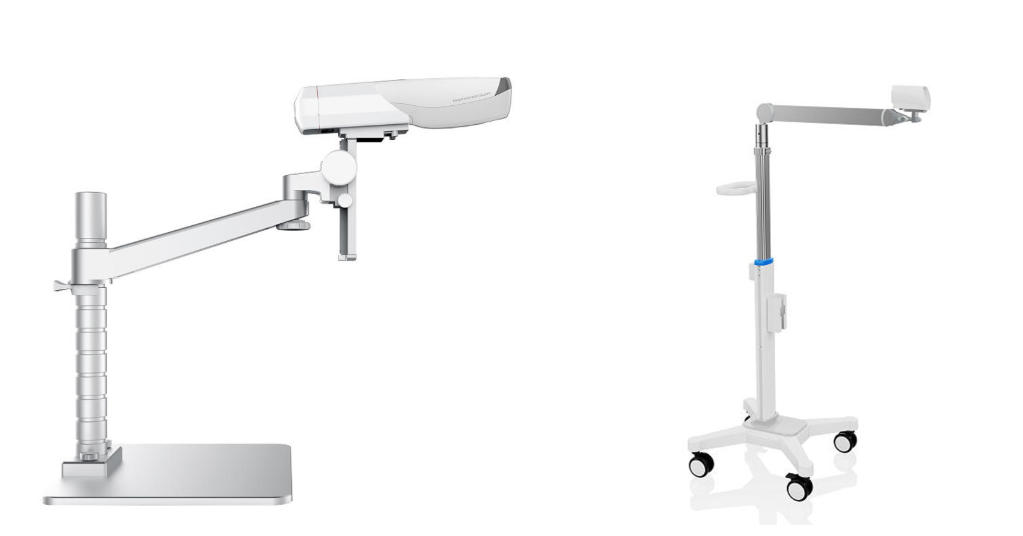
You rely on real-time visualization to achieve clinical accuracy during venipuncture. The projection vein finder displays a live map of veins directly onto the skin, allowing you to adjust your technique instantly. This technology improves accuracy and visibility, especially in pediatric patients who may have small or hard-to-find veins. The vein finder device provides immediate feedback, which helps you select the best vein and angle for needle insertion.
Clinical studies show that vein finder prototype technology leads to higher first-attempt success rates. For example, one study found that the use of vein finder devices resulted in an 87.1% first-attempt success rate compared to 46.8% with traditional methods. You also see lower pain scores and shorter crying durations in infants when you use vein visualization technology. These improvements in accuracy and visibility make a significant difference in pediatric care.
You can trust the accuracy of the vein visualization system because it adapts to different skin tones and lighting conditions. The V800P model’s smart depth detection feature provides needle entry angle suggestions and indicates vein depth with green blocks. This ensures that you achieve precise vein detection and minimize discomfort for your patients. The clear fine mode enhances visibility of thin veins, which is especially useful for infants and young children.
The cost-benefit analysis of projection vein finder technology shows that these devices make procedures more efficient and less stressful. You save time, reduce discomfort, and improve the overall experience for your patients. The portable vein viewer and commercial vein finder models are affordable and easy to use, making them essential tools in pediatric departments.
You meet regulatory and safety standards when you use these devices. In the United States, projection vein finders are classified as Class 1 510(k) exempt, so you do not need FDA approval. In the European Union, they are Class 1 devices and require no additional certification. This ensures that you can use these vein finder devices with confidence in any clinical setting.
You see that vein visualization technology, including the latest vein finder prototype models, transforms pediatric care. You achieve better accuracy, improved visibility, and higher success rates. The Vivolight projection vein finder stands out as a reliable solution for vein detection, vein imaging, and vein visualization in children.
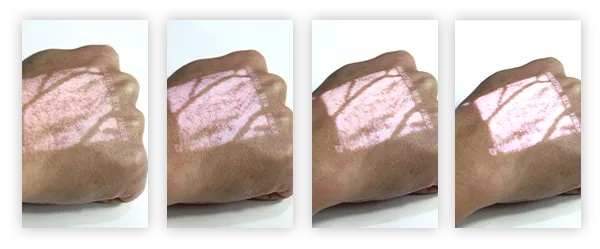
You know that achieving first-attempt success in pediatric phlebotomy can be challenging. The projection vein finder changes your approach by making veins more visible and accessible. When you use this device, you reduce the number of failed venipuncture attempts. This is especially important for children who may feel pain and anxiety from multiple needle sticks. You see veins clearly, which leads to faster procedures and fewer punctures.
You improve clinical accuracy by visualizing veins in real time.
You increase first-attempt success rates, which means less distress for your patients.
You support workflow efficiency, allowing you to perform phlebotomy more effectively in busy pediatric units.
You enhance patient comfort by minimizing the number of needle sticks.
The vein visualization system in the projection vein finder helps you locate small, fragile veins in children. You can adapt to different skin tones and lighting conditions. This adaptability makes the device suitable for infants, toddlers, and older children. You also find that the professional vein finder and medical vein finder light offer features like depth settings and adjustable brightness, which further improve your success with vascular access.
You experience less stress when you use a phlebotomy vein light or pediatric vein finder. The device shortens procedure time and streamlines your workflow. You no longer spend extra minutes searching for a suitable vein. Instead, you achieve vascular access quickly and safely.
|
Study Title |
Key Findings |
|---|---|
|
Effectiveness of Vein Finder in Pediatric Patients |
Improves first-attempt success rate, reduces patient pain and anxiety, shortens overall procedure time |
|
Aimvein Pro 2.0 Clinical Validation |
Achieves 92.6% venipuncture success rate, faster IV access, smoother workflow, less pain for patients |
|
Vein Visualization in Pediatric Patients (0–3 Years) |
Reduces number of puncture attempts, increases first-attempt success rate, decreases pain levels |
|
Reduces Venipuncture Pain in Preterm Infants |
Reduces pain in preterm infants, shortens duration of crying, higher first-attempt success rate |
You benefit from a smoother workflow and improved time management. The vein finder allows you to focus on patient care rather than struggling with difficult vein access. You also increase safety for both you and your patients. The projection vein finder provides a non-invasive way to locate veins, which enhances the safety of phlebotomy procedures. You can trust the device to deliver consistent results, making it an essential tool in pediatric blood collection.
You want every blood draw to be as gentle as possible for children. The projection vein finder helps you achieve this goal by making veins easier to locate. When you use this technology, you see a dramatic reduction in the number of needle sticks required. Children experience less pain and fewer failed attempts. The following table shows how the finder improves outcomes for pediatric patients:
|
Evidence Description |
Result |
|---|---|
|
Reduction in pain in pediatric patients |
43% |
|
Improvement in first stick success rate |
83% |
|
Reduction in number of attempts |
Significant |
|
Maximum attempts reduced from 8 to 2 |
Dramatic Improvement |
|
Reduction in time to successful cannulation |
81% |
You notice that the average procedure time drops from six minutes to three minutes. The vein visualization system allows you to select the best vein quickly, which means less discomfort for your patients. You also see fewer complications, such as infiltration and phlebitis, when you use a professional vein finder or medical vein finder light. This improvement in patient care leads to higher satisfaction scores.
Children often feel anxious before blood collection. You can ease their fears by using a pediatric vein finder or phlebotomy vein light. The infrared technology projects a clear image of the vein onto the skin, which reassures both you and your patient. In neonatal intensive care units, nurses report that infants experience lower pain scores and shorter crying durations when the finder is used.
Patients report less pain and anxiety with vein visualization technology.
Infants and pediatric patients experience fewer complications.
Nurses see improved patient comfort and smoother procedures.
Vivolight devices play a key role in enhancing patient comfort. You use features like pediatric mode and adjustable brightness to protect sensitive eyes and adapt to different skin tones. The real-time mapping helps you perform blood draws with confidence, reducing stress for everyone involved. You create a more positive experience for children and their families by using advanced vein finder technology.
You rely on clinical accuracy when performing venipuncture in children. The projection vein finder helps you visualize veins and select the best site for blood collection. Studies show that using a finder can improve first stick success rates and patient satisfaction. For example, VeinViewer has been reported to increase first stick success by up to 100%. You may also see a decrease in the need for PICC lines due to difficult venous access by over 30%. Patient satisfaction can double when you use a finder for blood draws.
Increased first stick success rates
Decreased need for PICC lines
Higher patient satisfaction
However, some research shows no significant difference in the duration of blood sampling or the success rate at the first attempt between the projection vein finder and traditional methods in pediatric patients.
|
Outcome |
Projection Vein Finder |
Traditional Methods |
|---|---|---|
|
First Attempt Success Rate |
No significant difference |
No significant difference |
|
Duration of Blood Sampling |
No significant difference |
No significant difference |
You can use a pediatric vein finder, phlebotomy vein light, or medical vein finder light to enhance your venipuncture technique. The vein visualization system and professional vein finder support your efforts to achieve reliable results in blood collection.
You learn from other nurses who use a finder for venipuncture. Claudia H. RN BSN noted that the Venoscope® improved IV placement success rates and reduced patient discomfort. Joey S. B.S.N, a nursing educator, reported an 85% success rate in visualizing veins in patients with obesity, showing the effectiveness of a finder over traditional methods. A nurse manager shared that the Venoscope® Neonatal Transilluminator decreased IV attempts in premature and full-term infants, highlighting its value in pediatric care.
Improved IV placement success rates
Reduced patient discomfort
Fewer IV attempts in infants
You see that using a projection vein finder, along with a vein visualization system, can transform your approach to venipuncture. These devices help you provide better care and improve outcomes for children during blood draws.
Leave A Message
Scan to WhatsApp :


 IPv6 network supported